
Japan: A Wabi-Sabi Realm
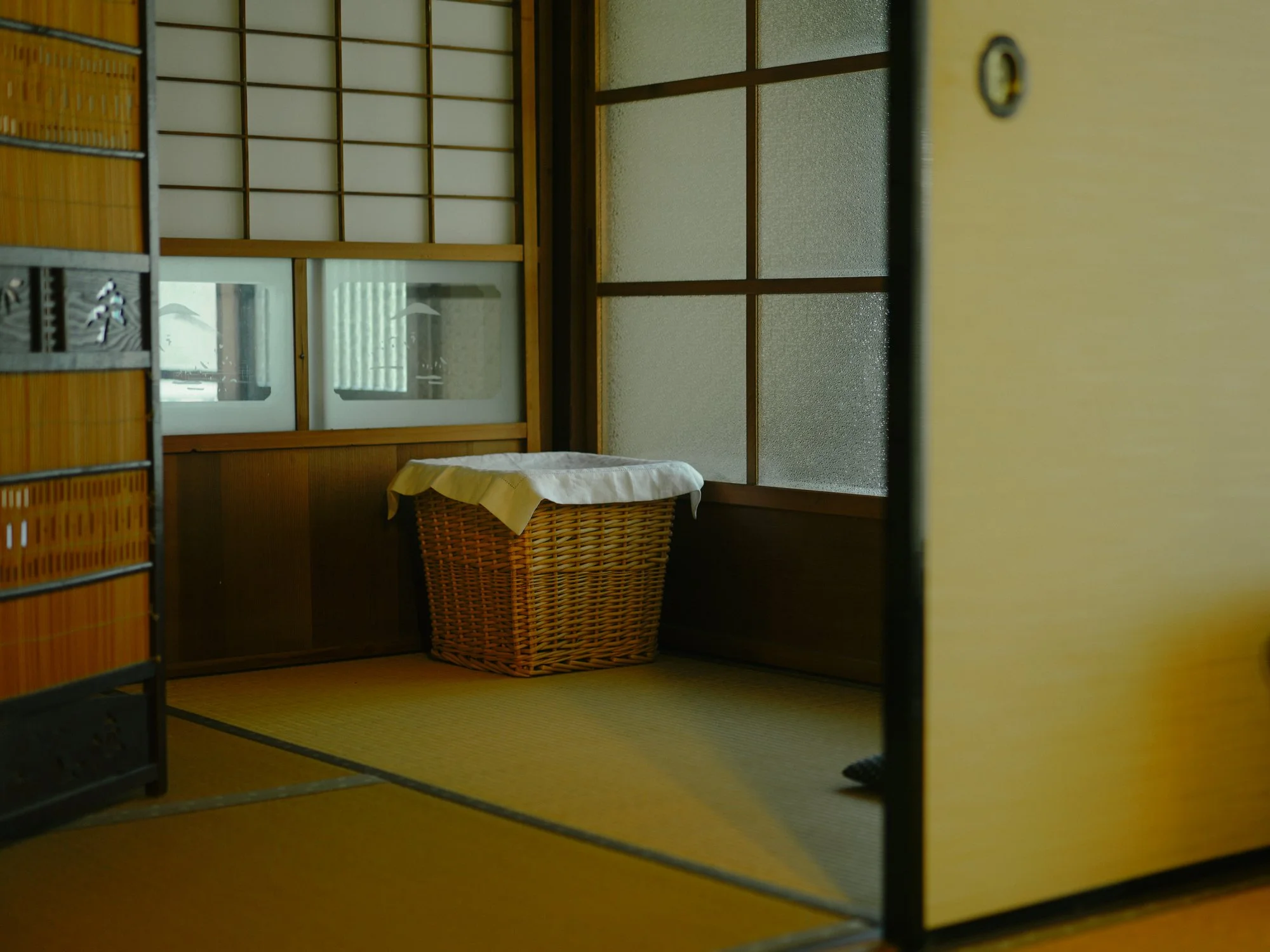
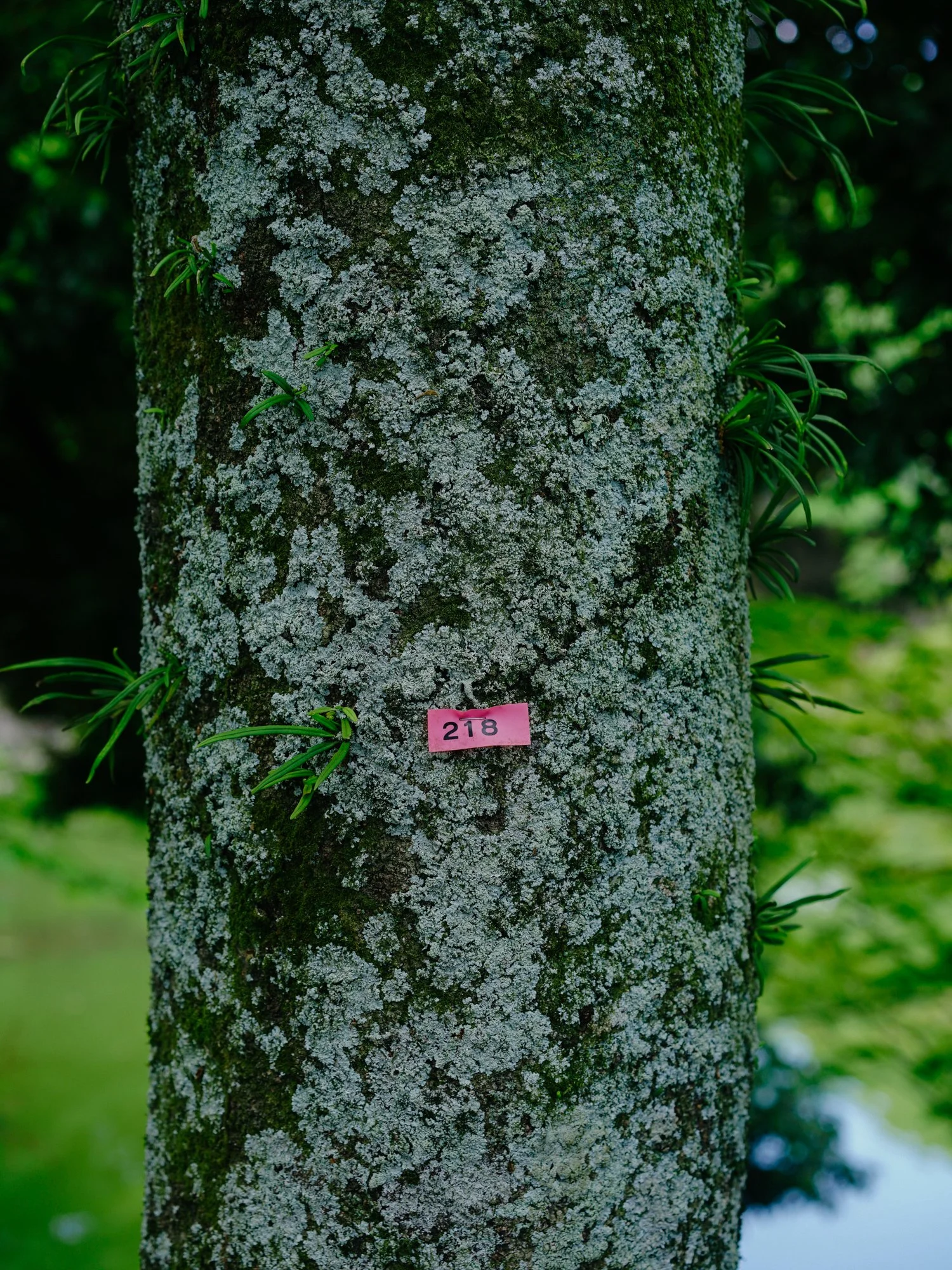
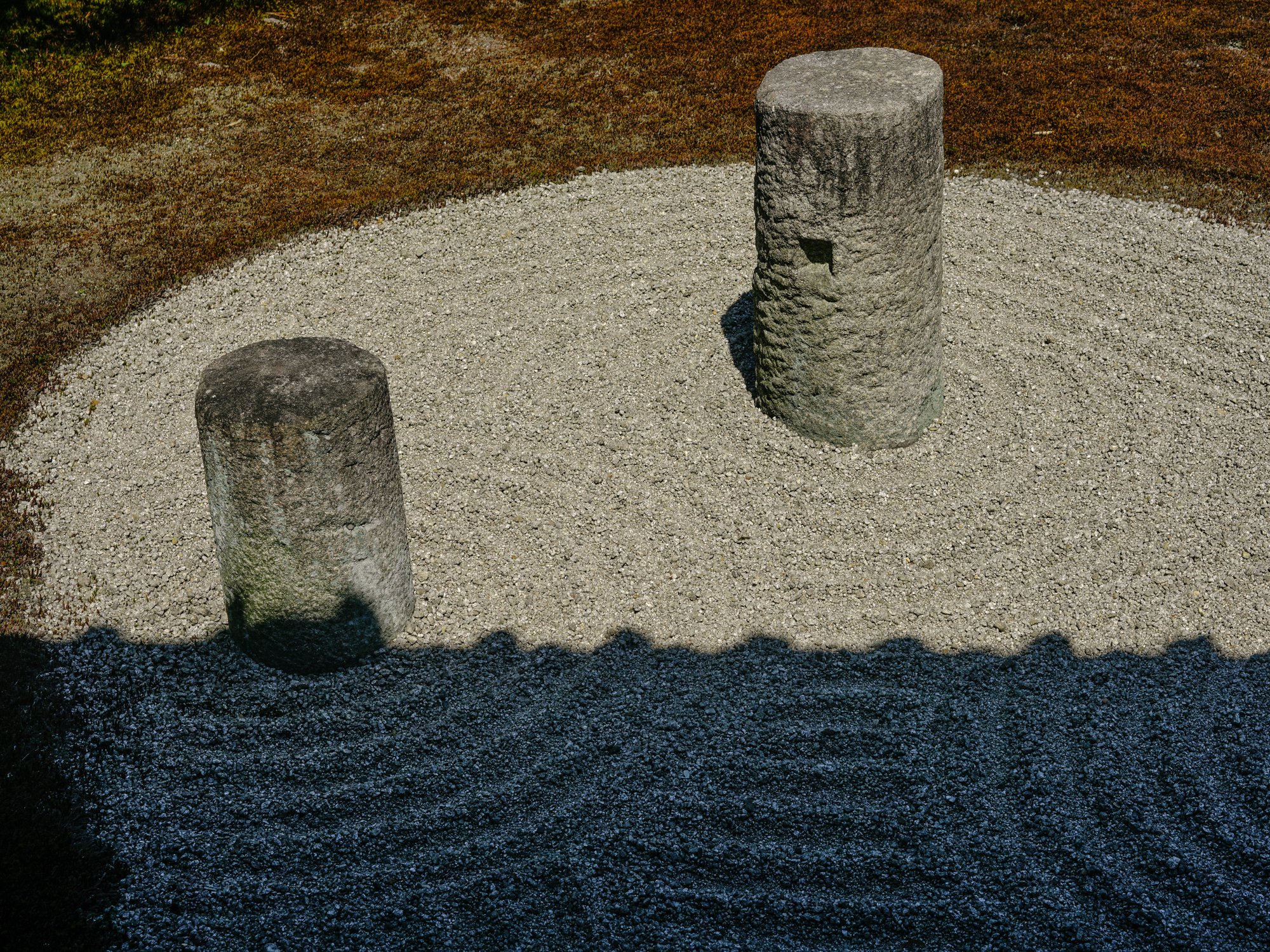
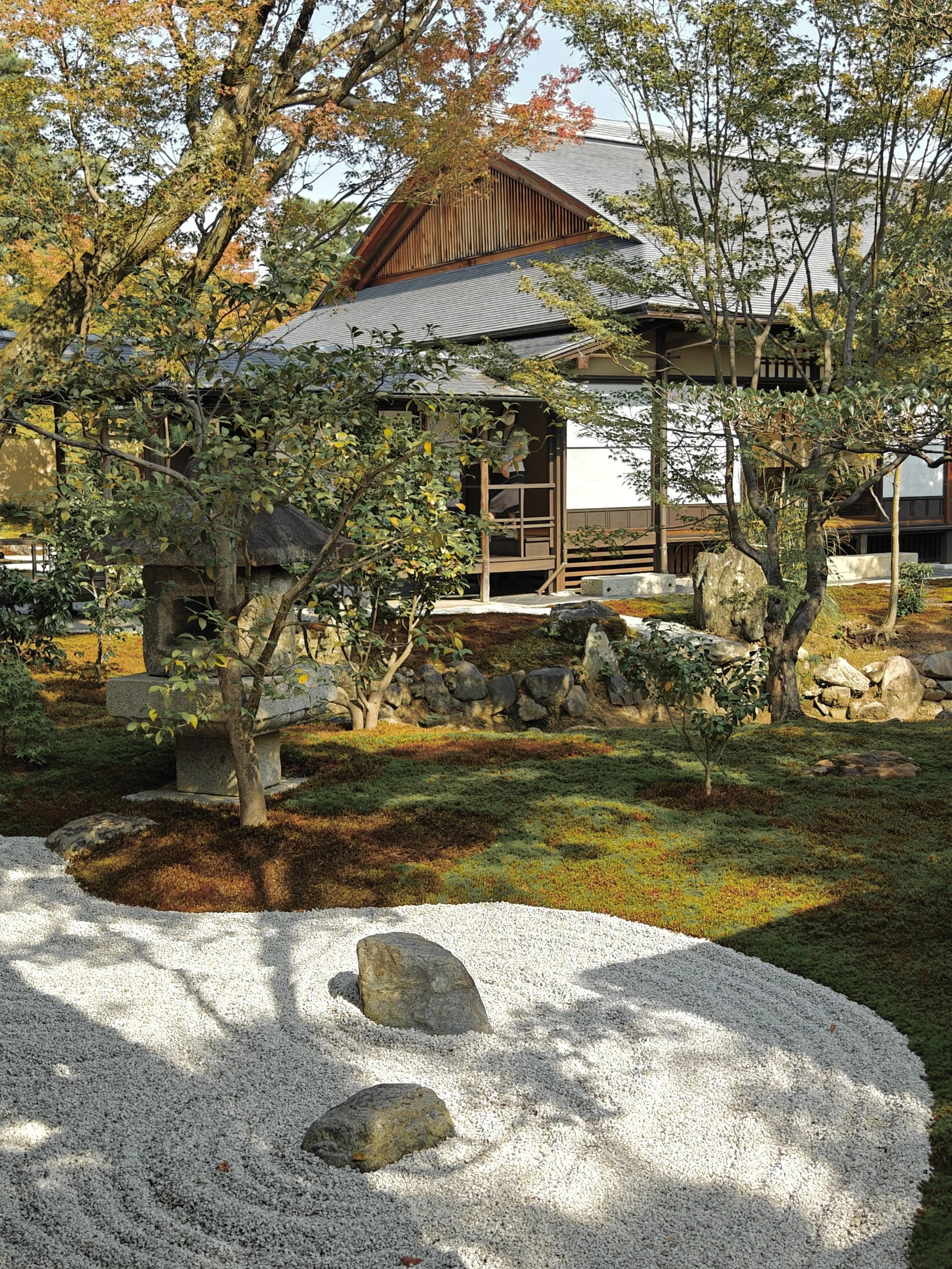
Through seven trips to Japan, I came to understand how Chinese culture shaped Japanese culture, and how Japan, in turn, cultivated its own unique cultural aesthetics. Especially, I feel that "Wabi-sabi is a beauty of things imperfect, impermanent, and incomplete."
Cape Zanpa, located in Yomitan, Okinawa
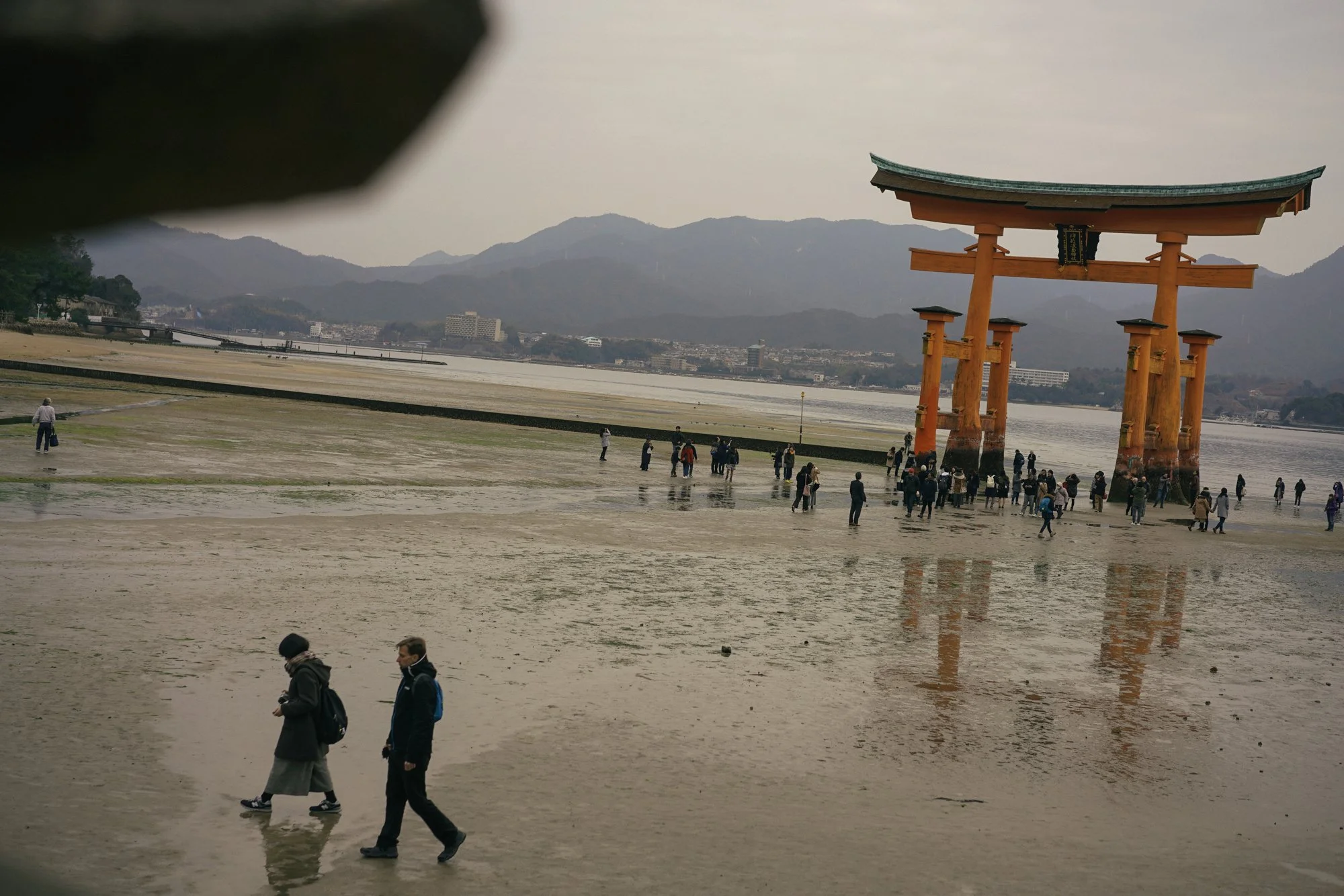
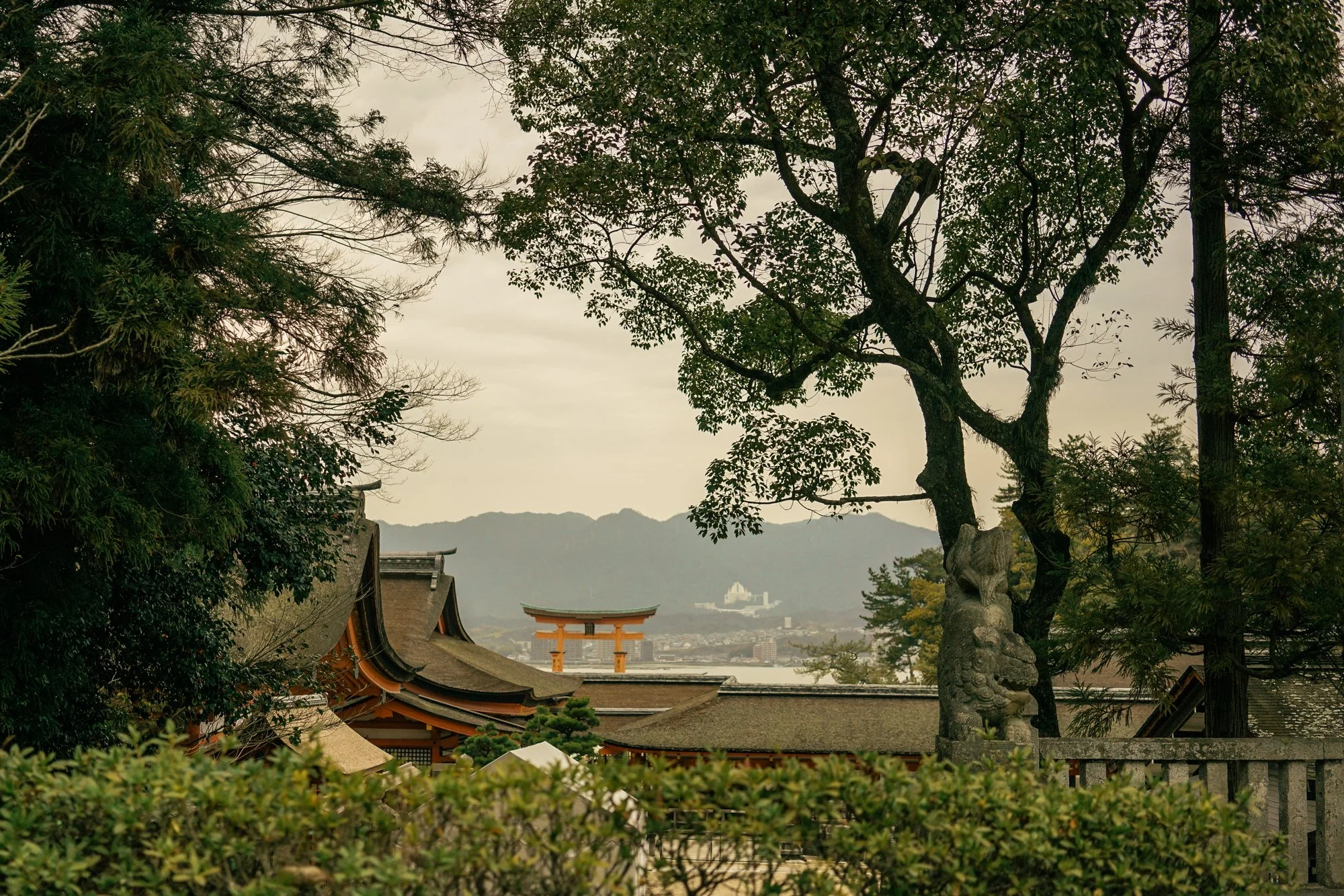
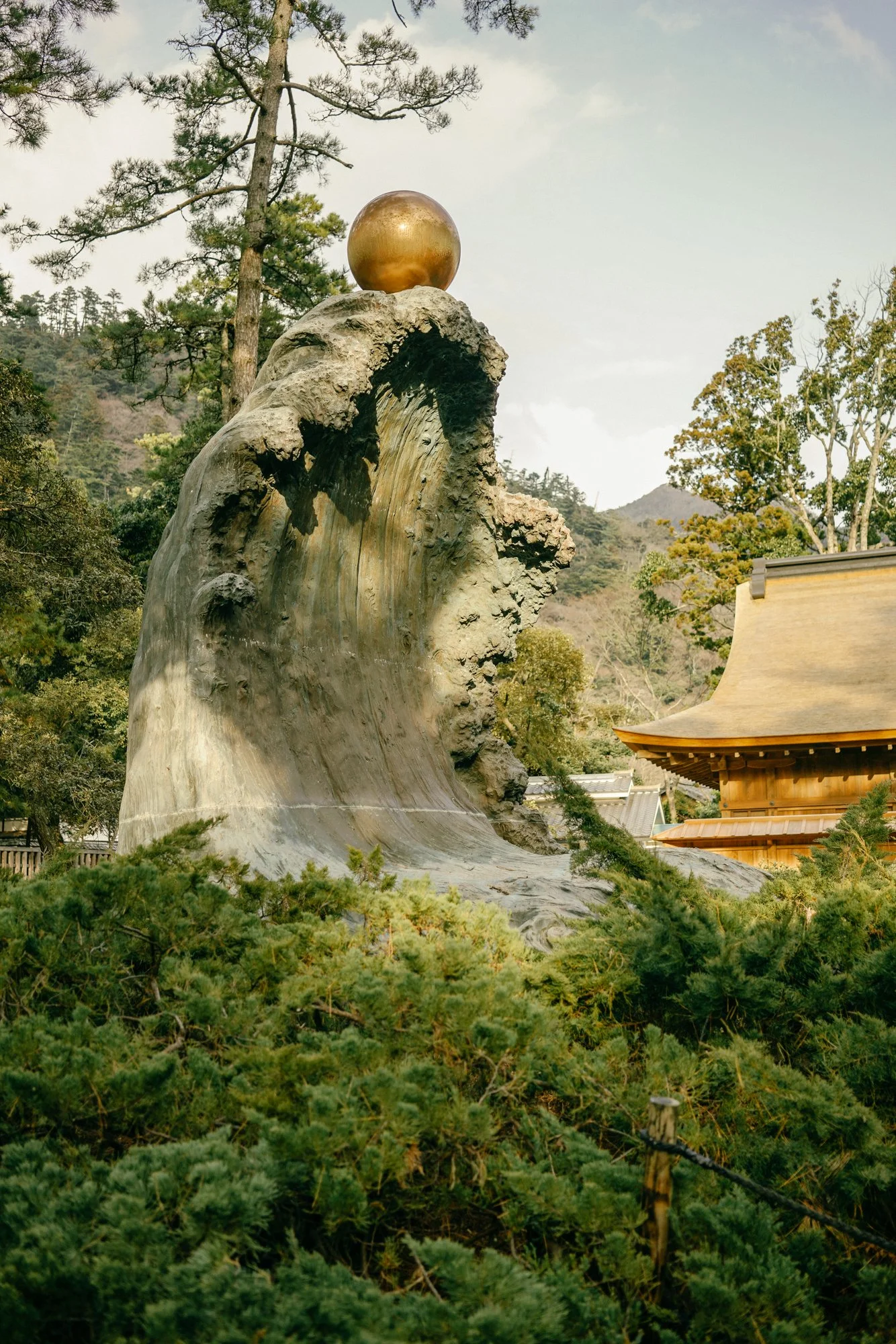
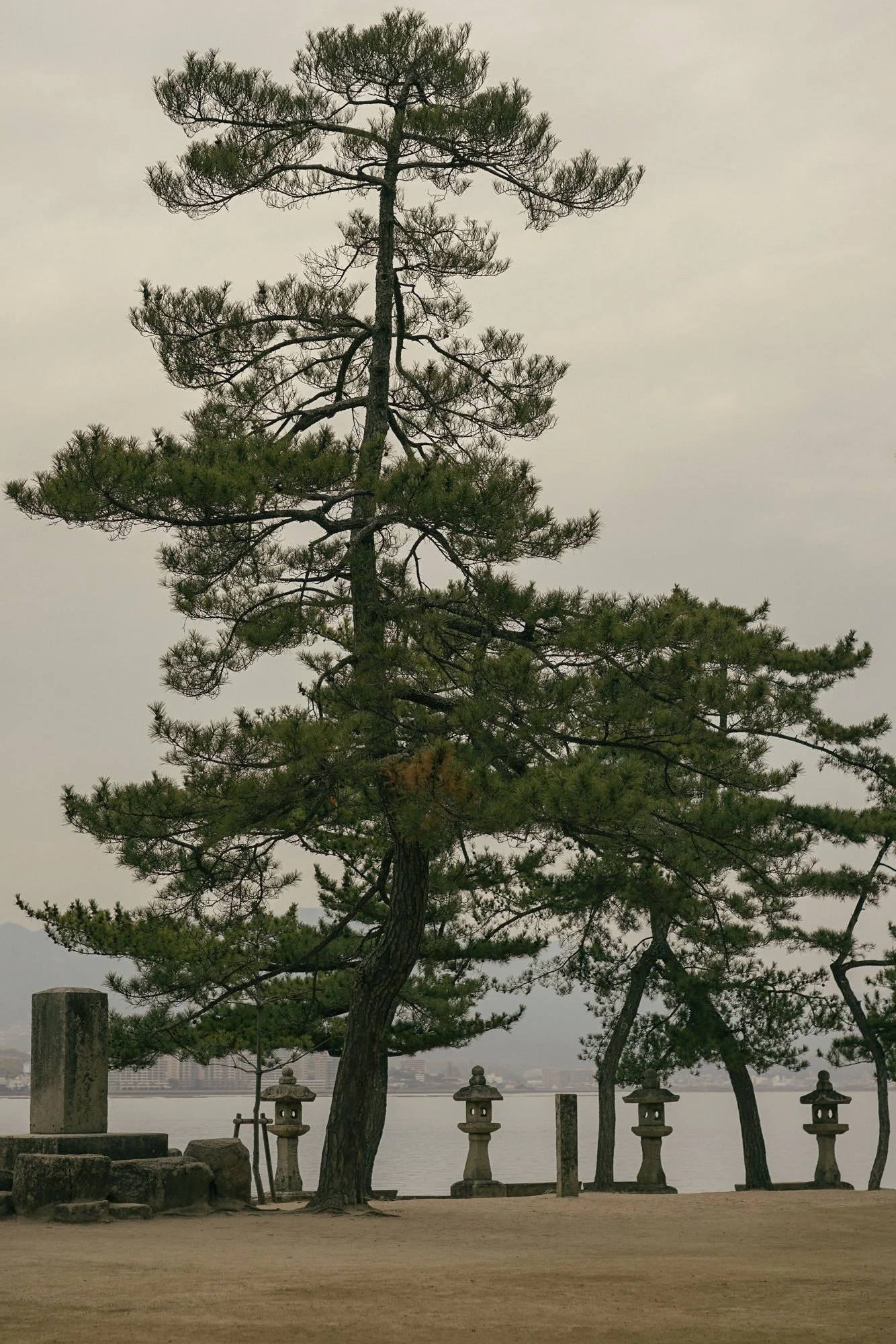



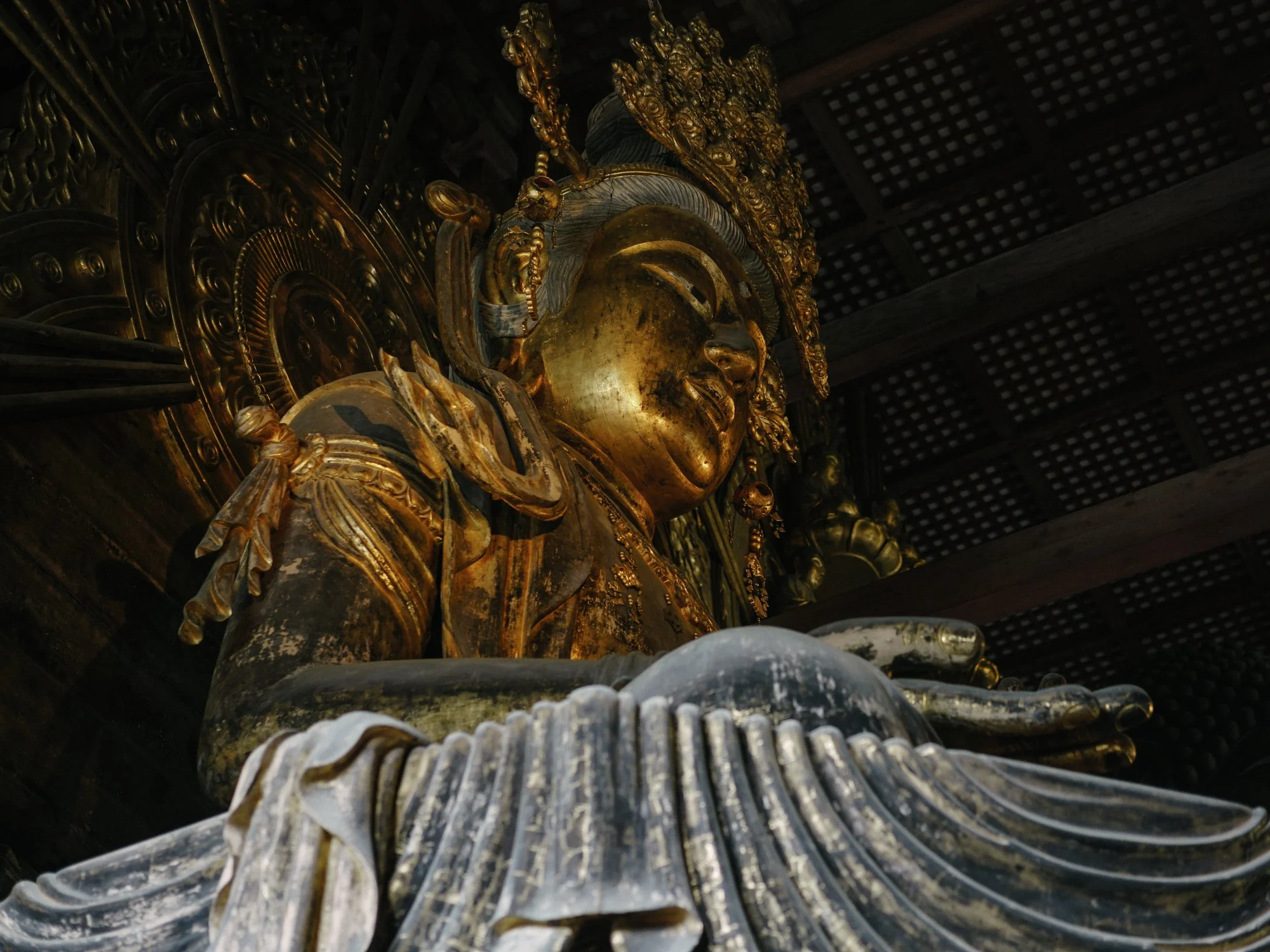
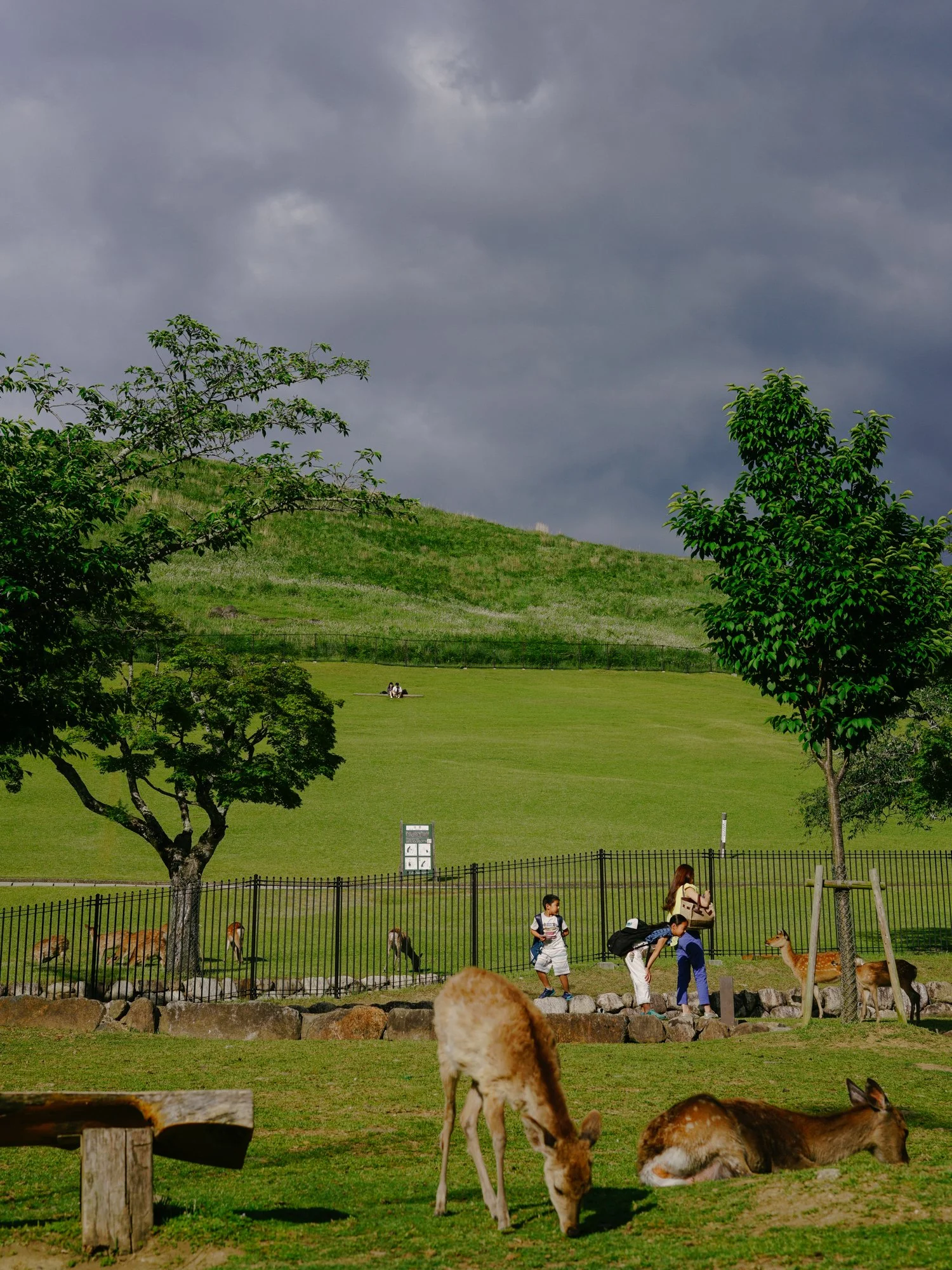
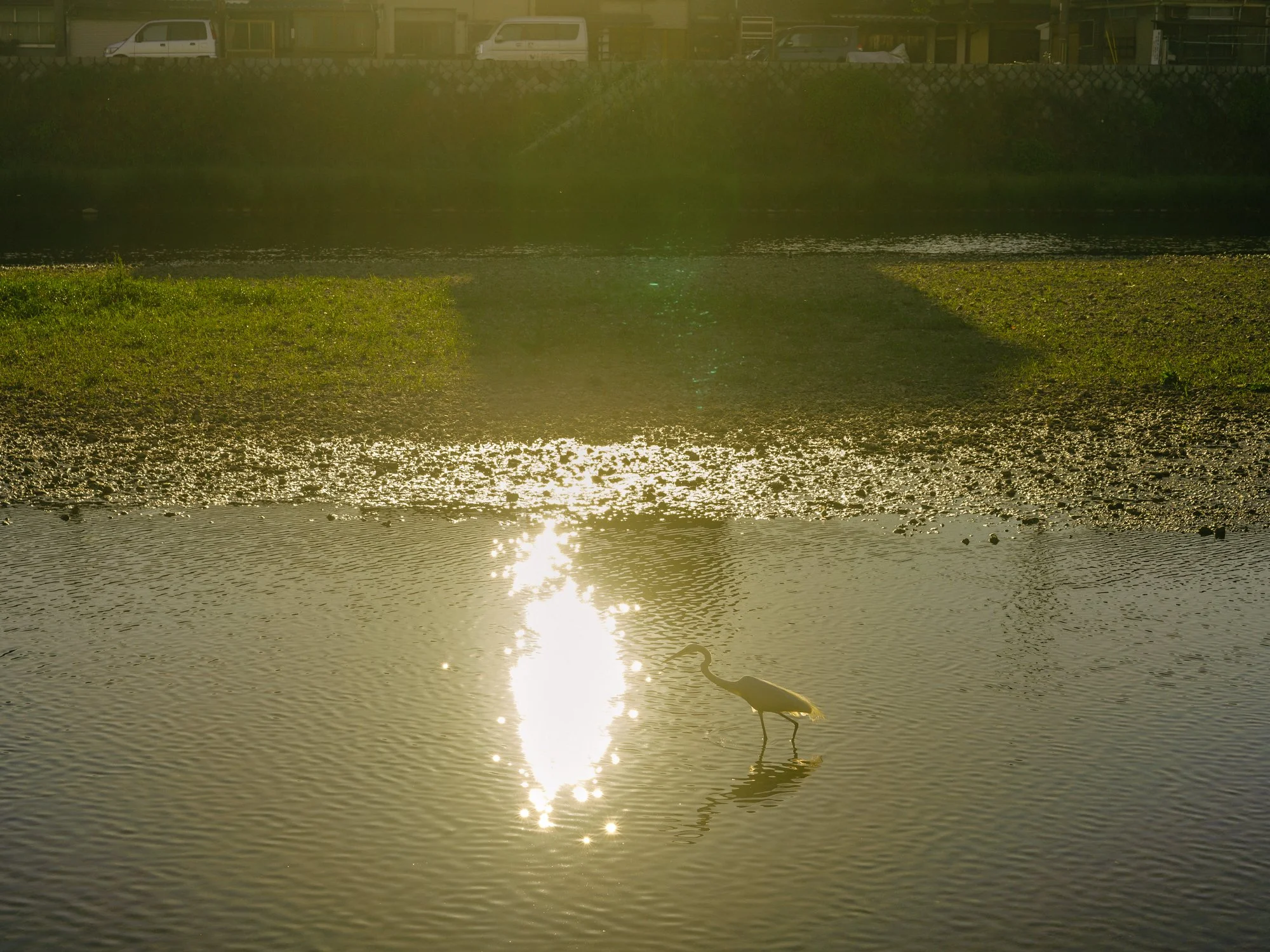
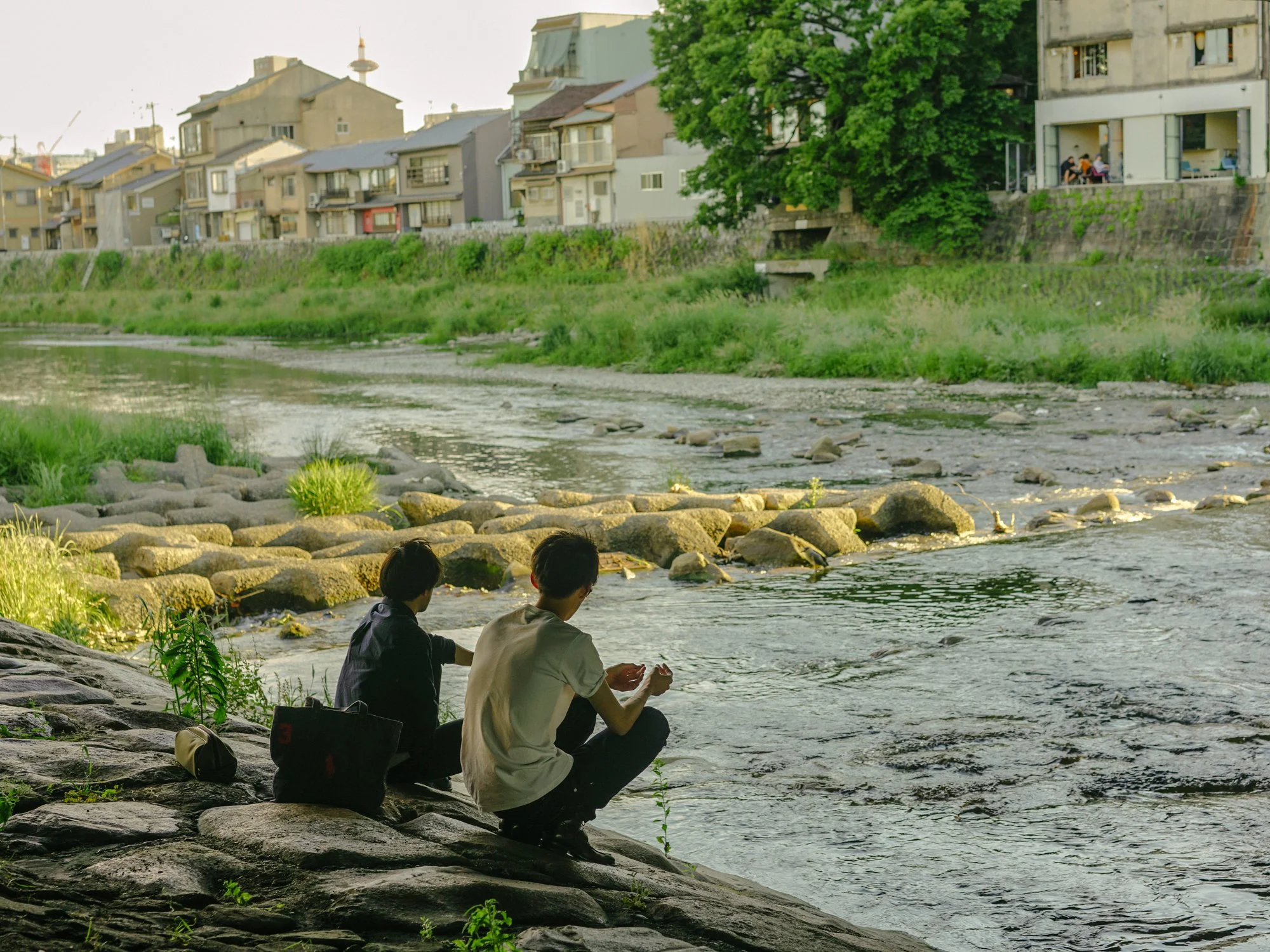
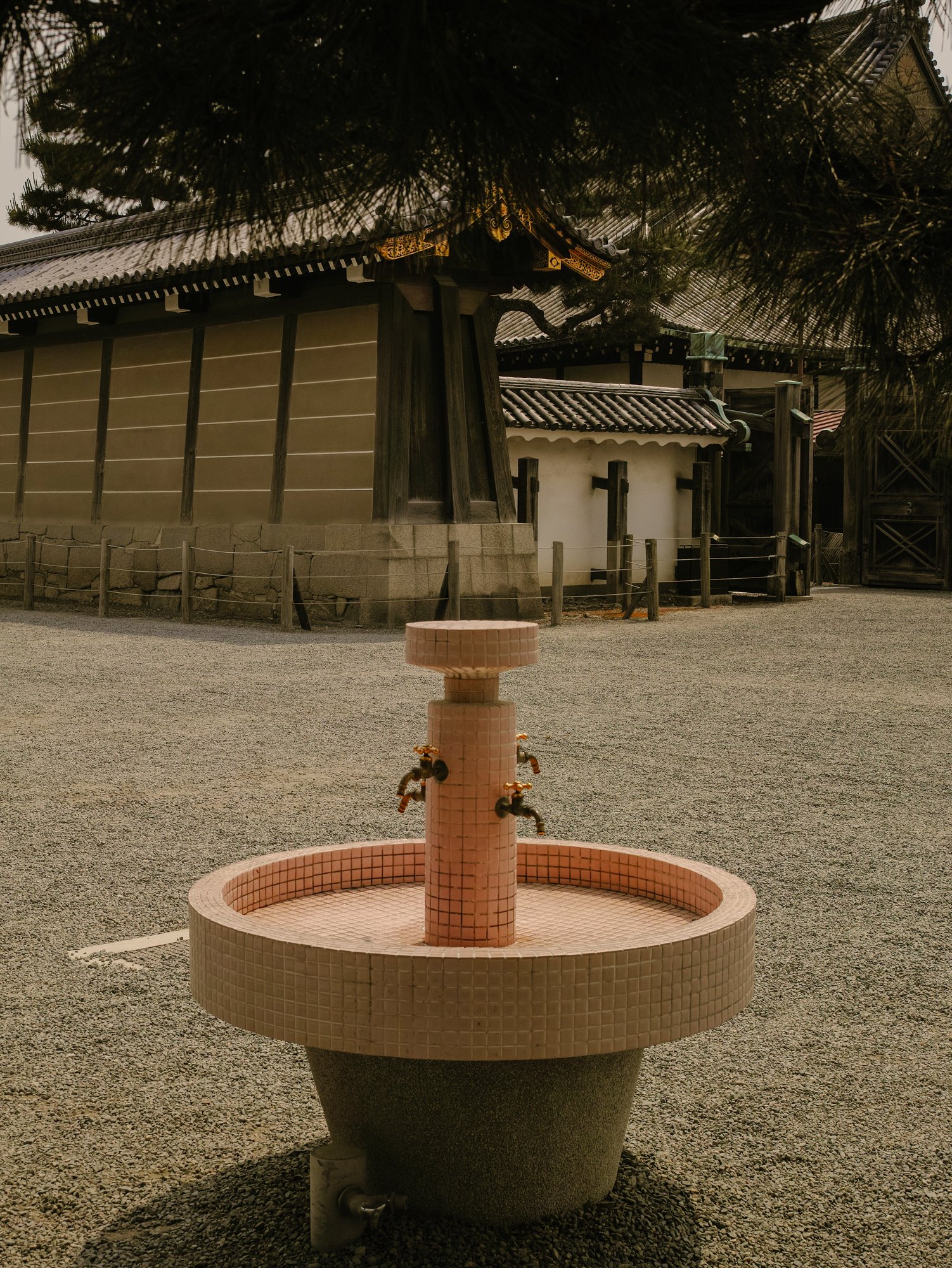
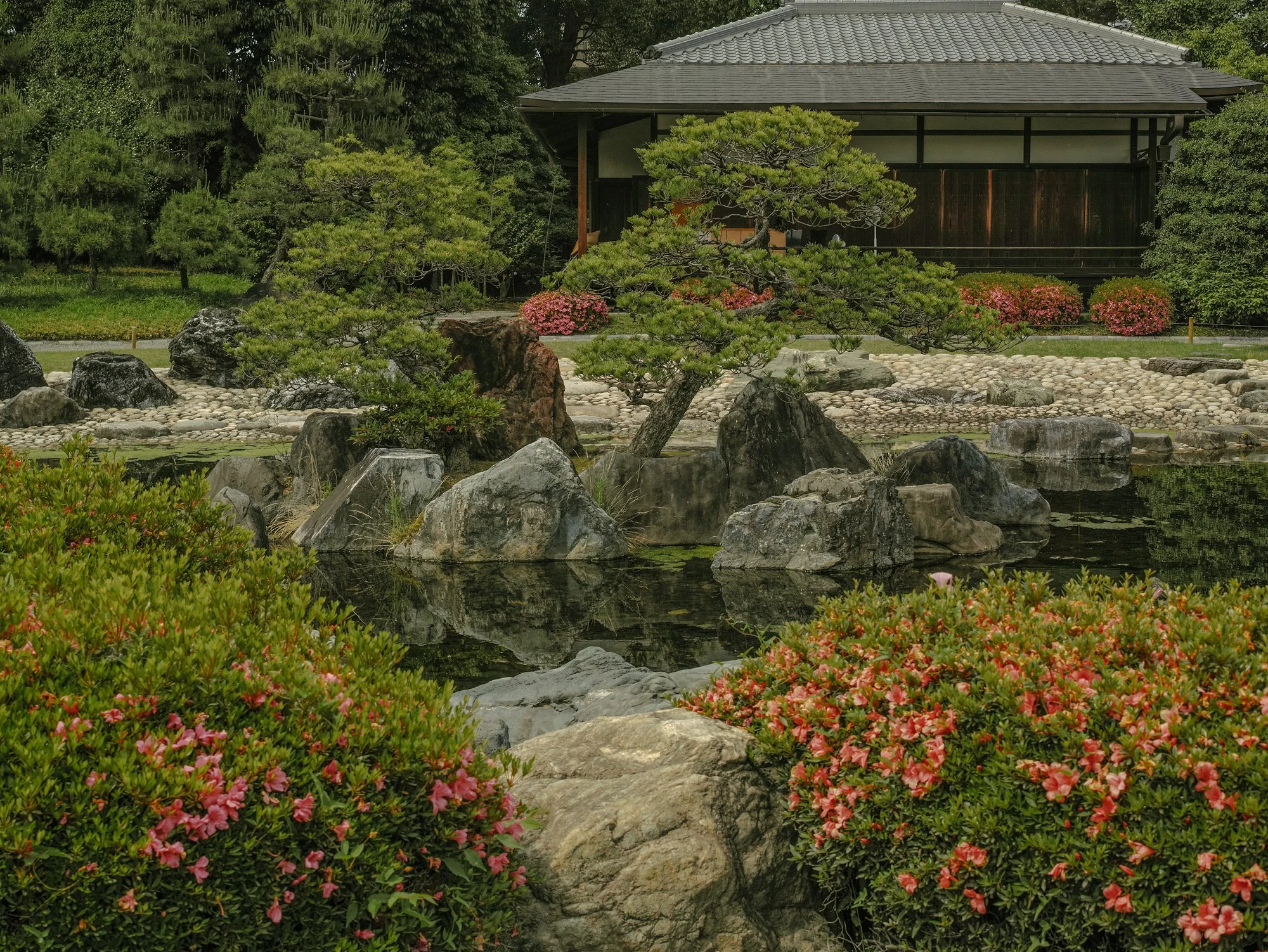
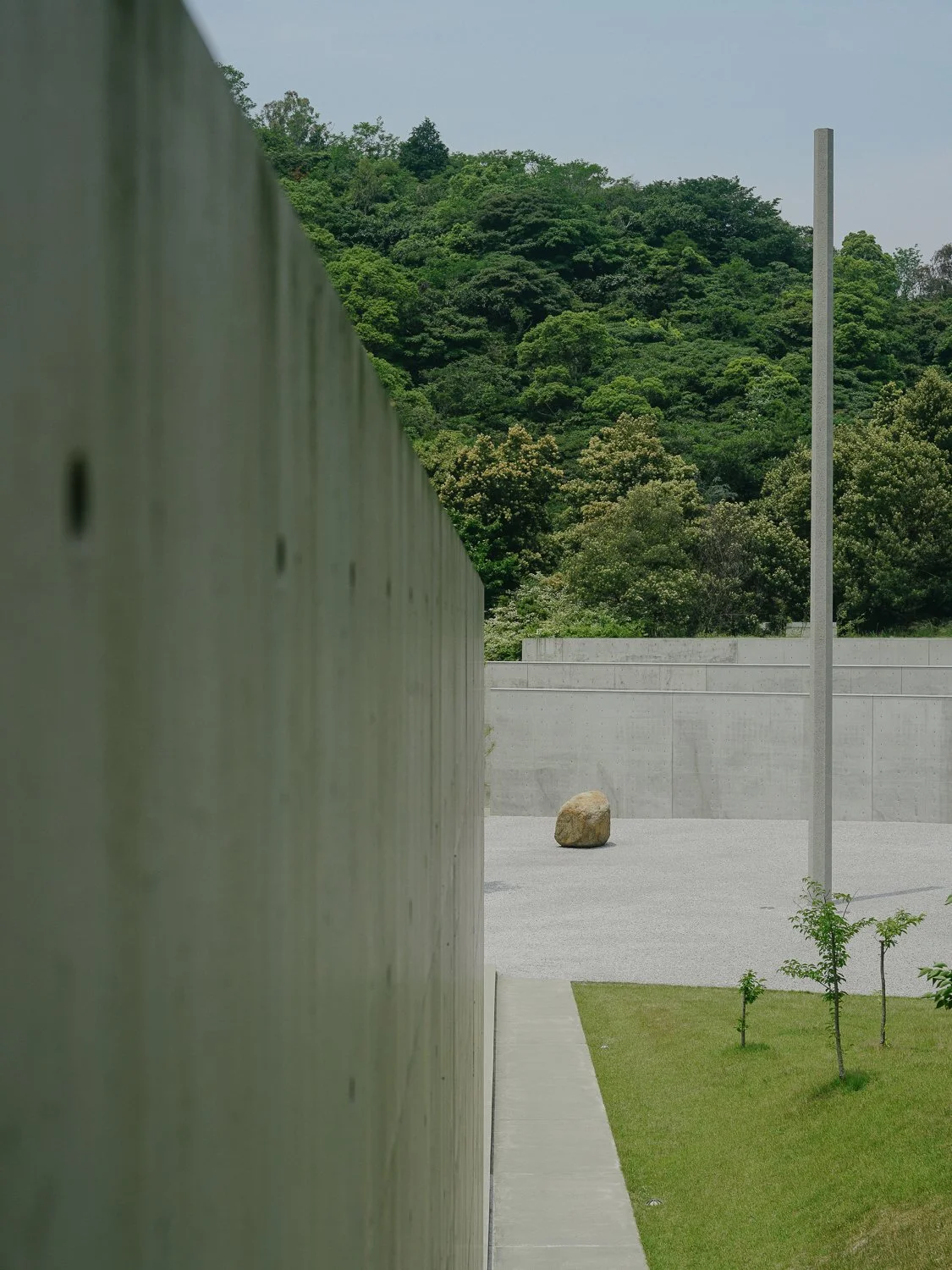
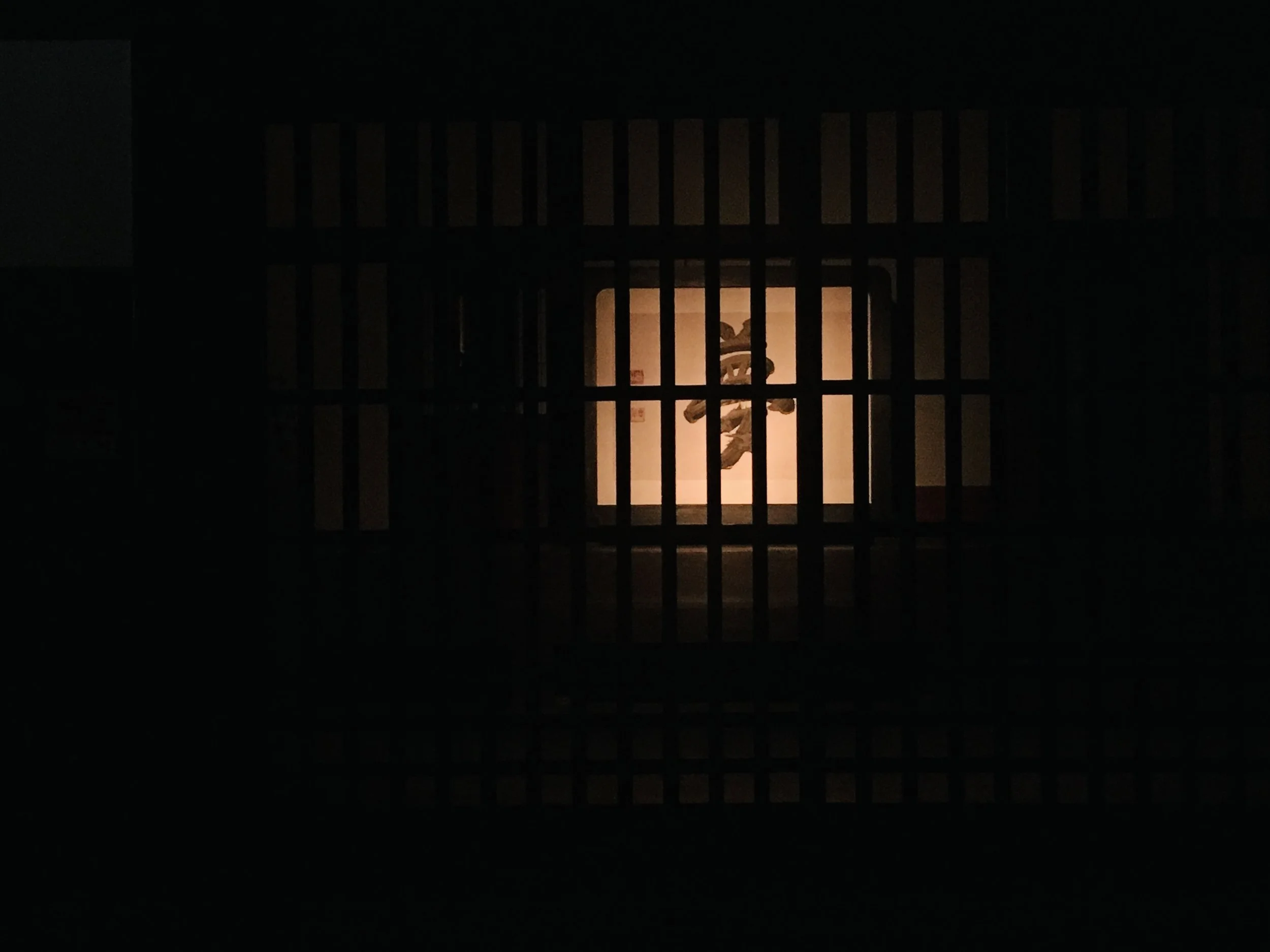

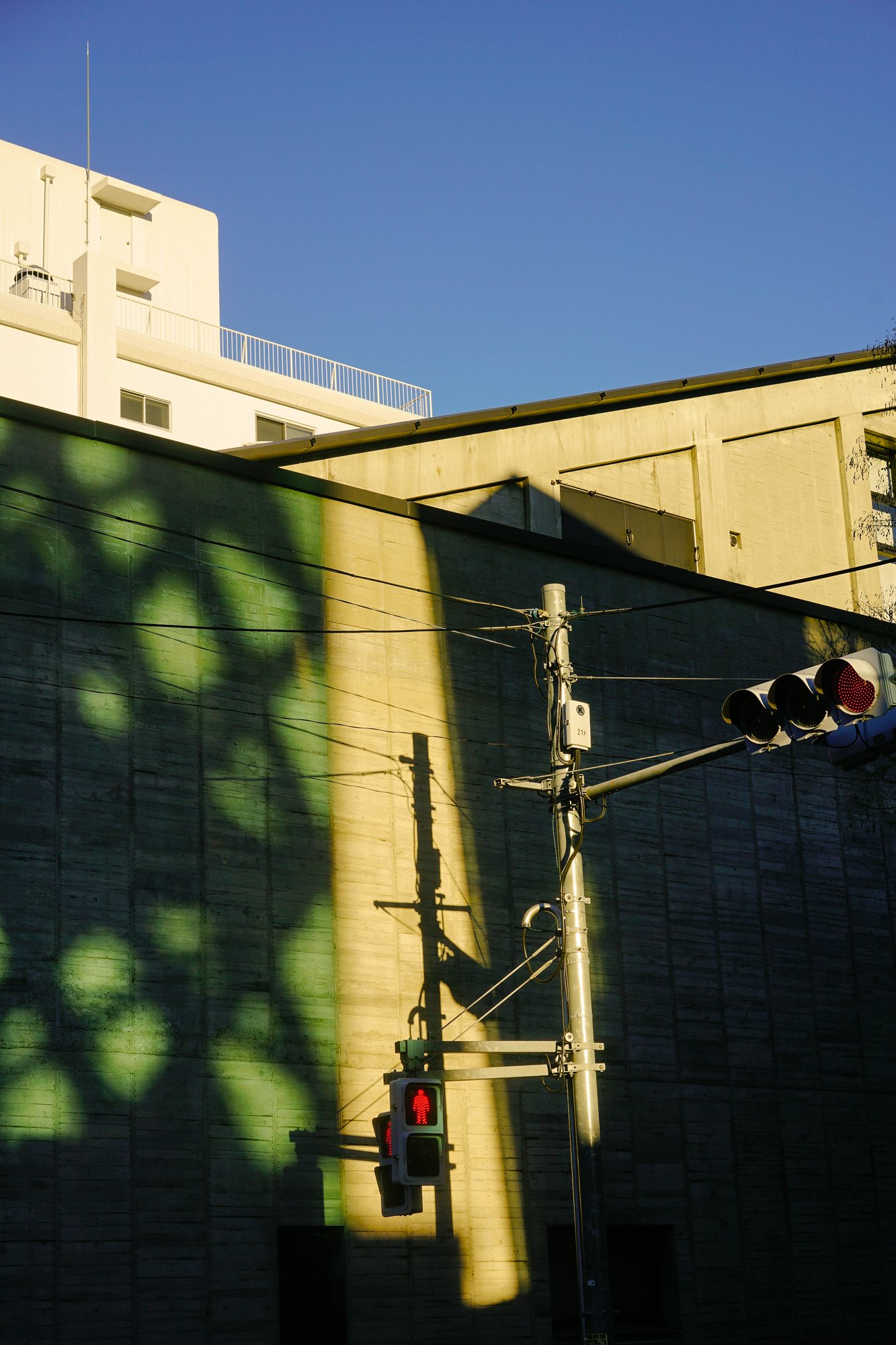
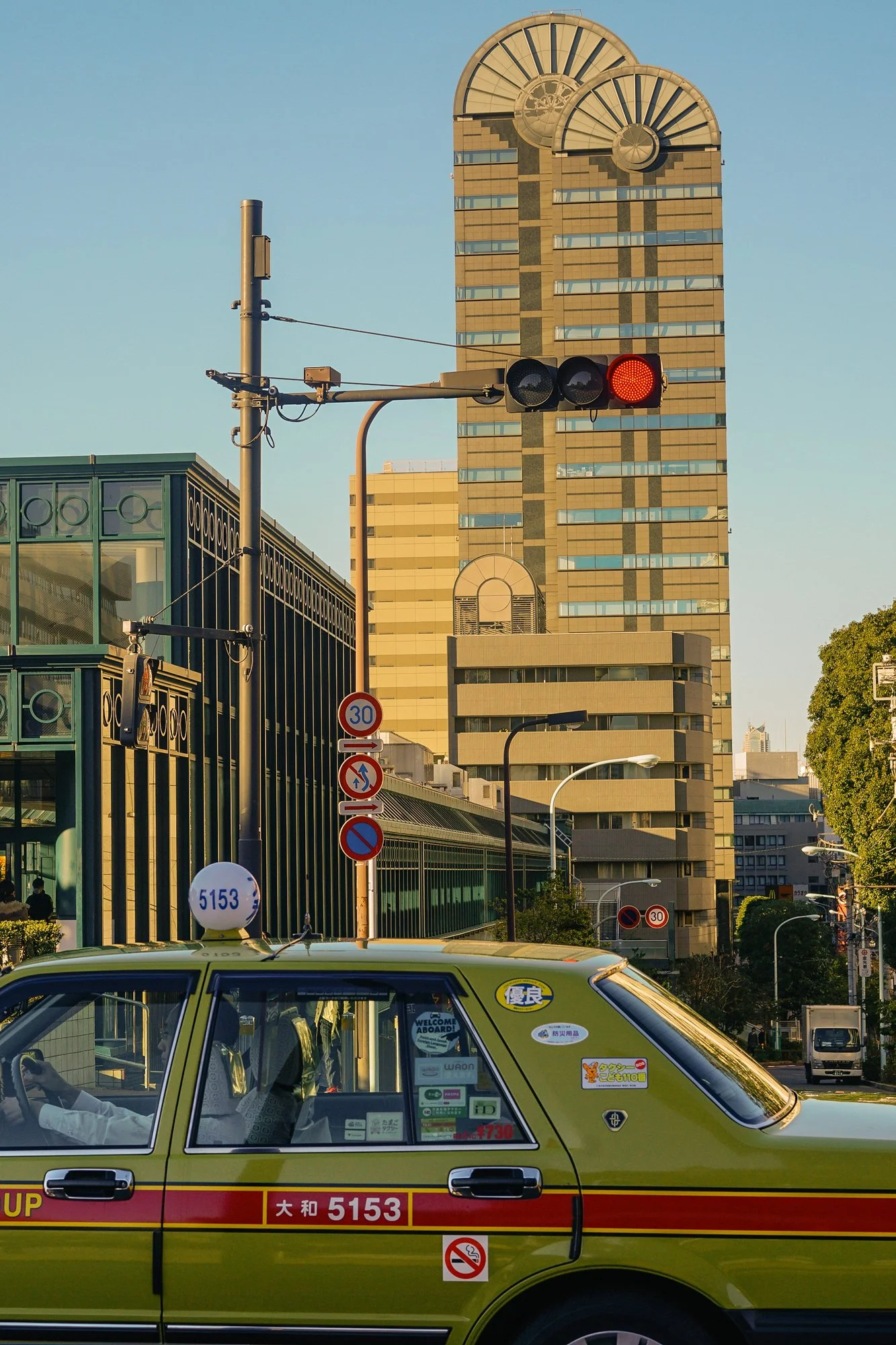

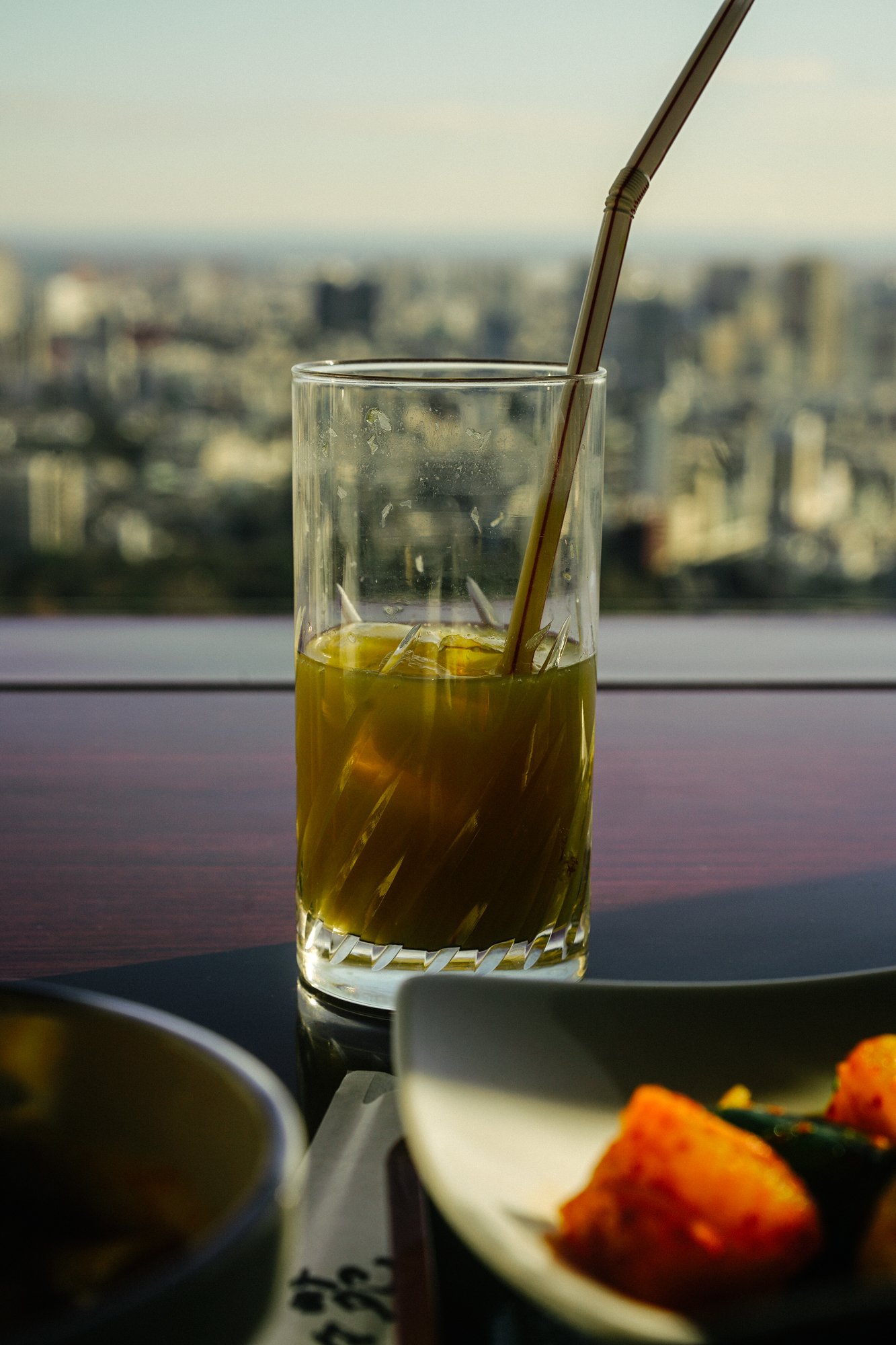
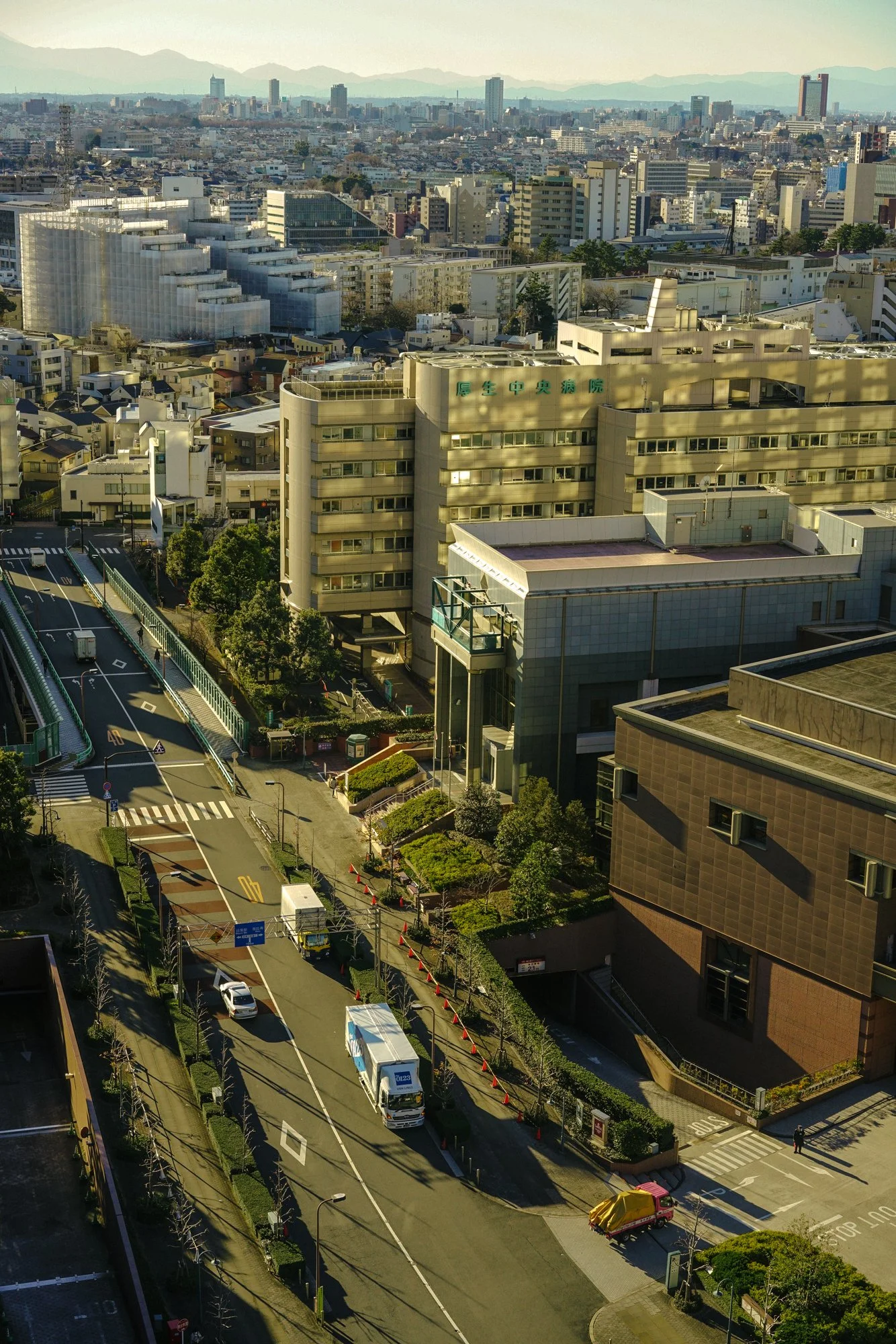
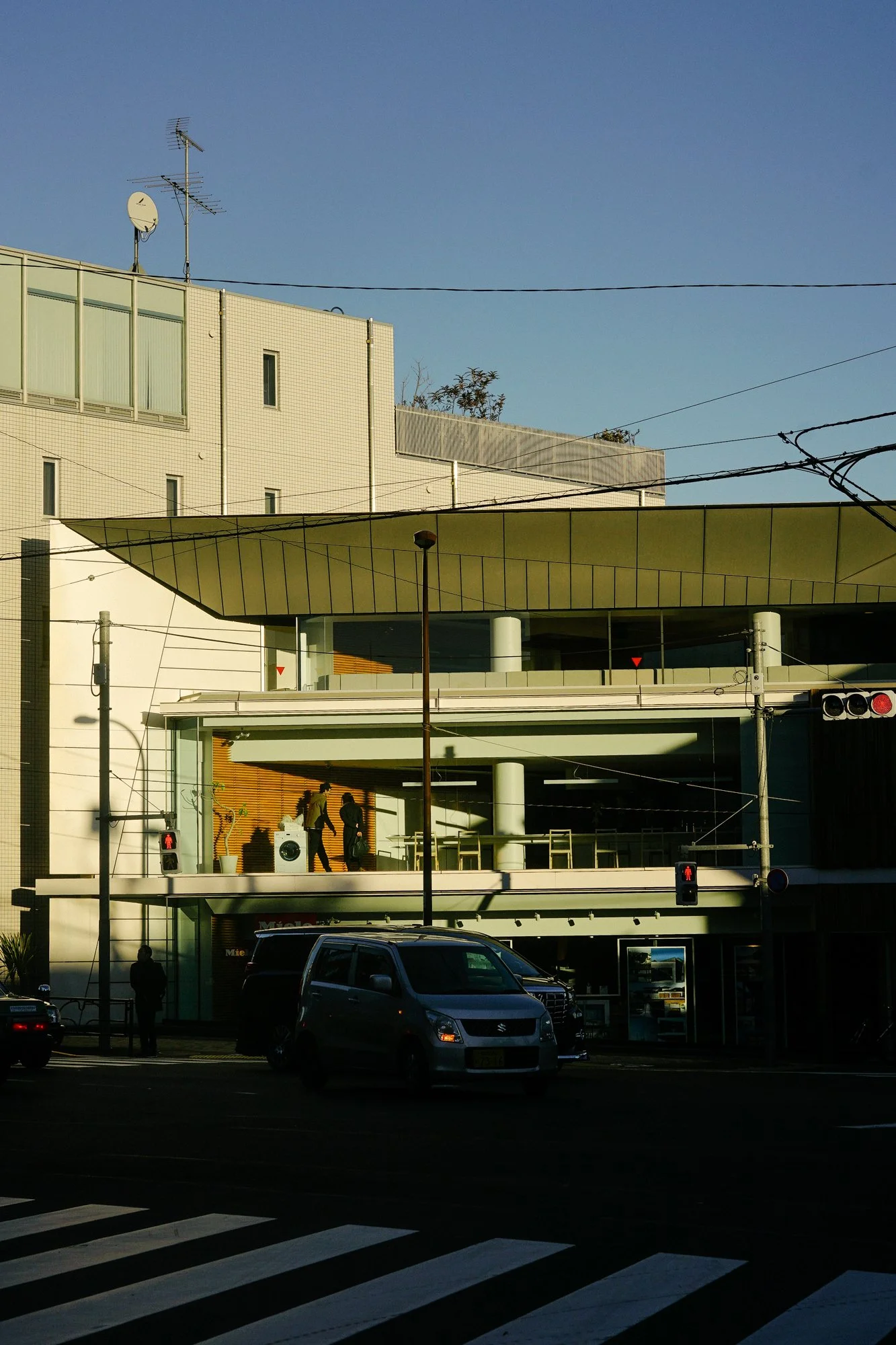
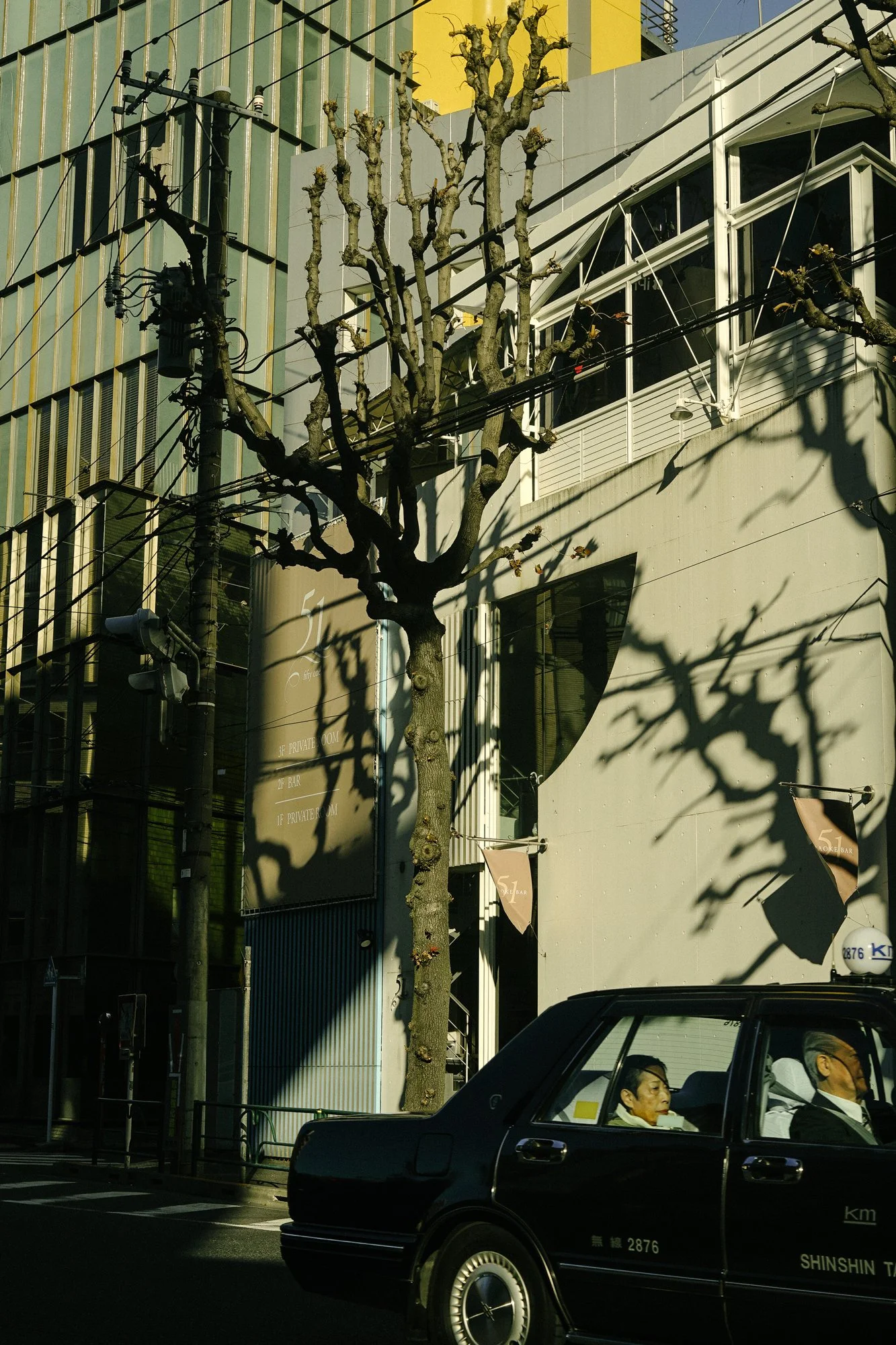
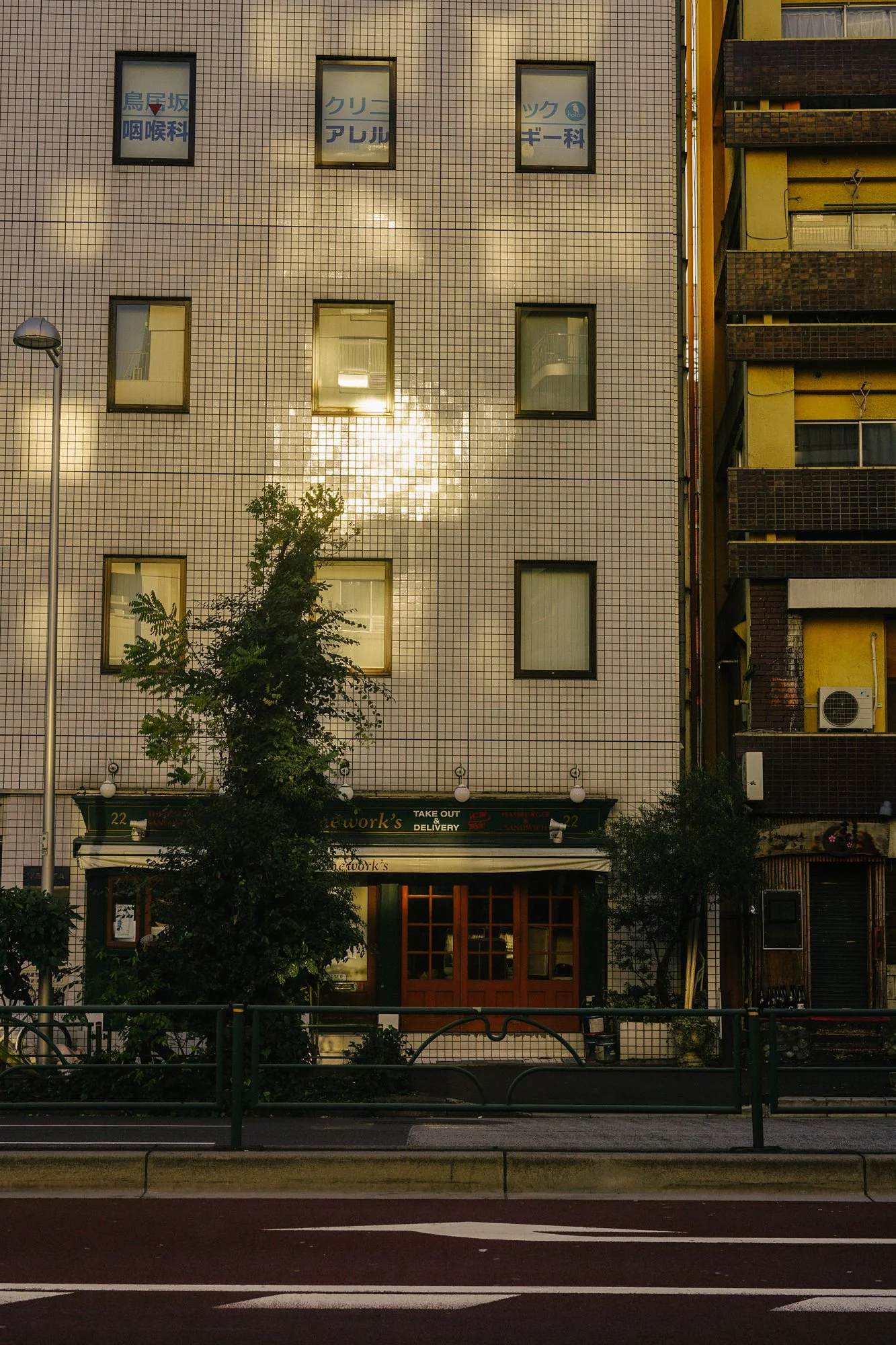

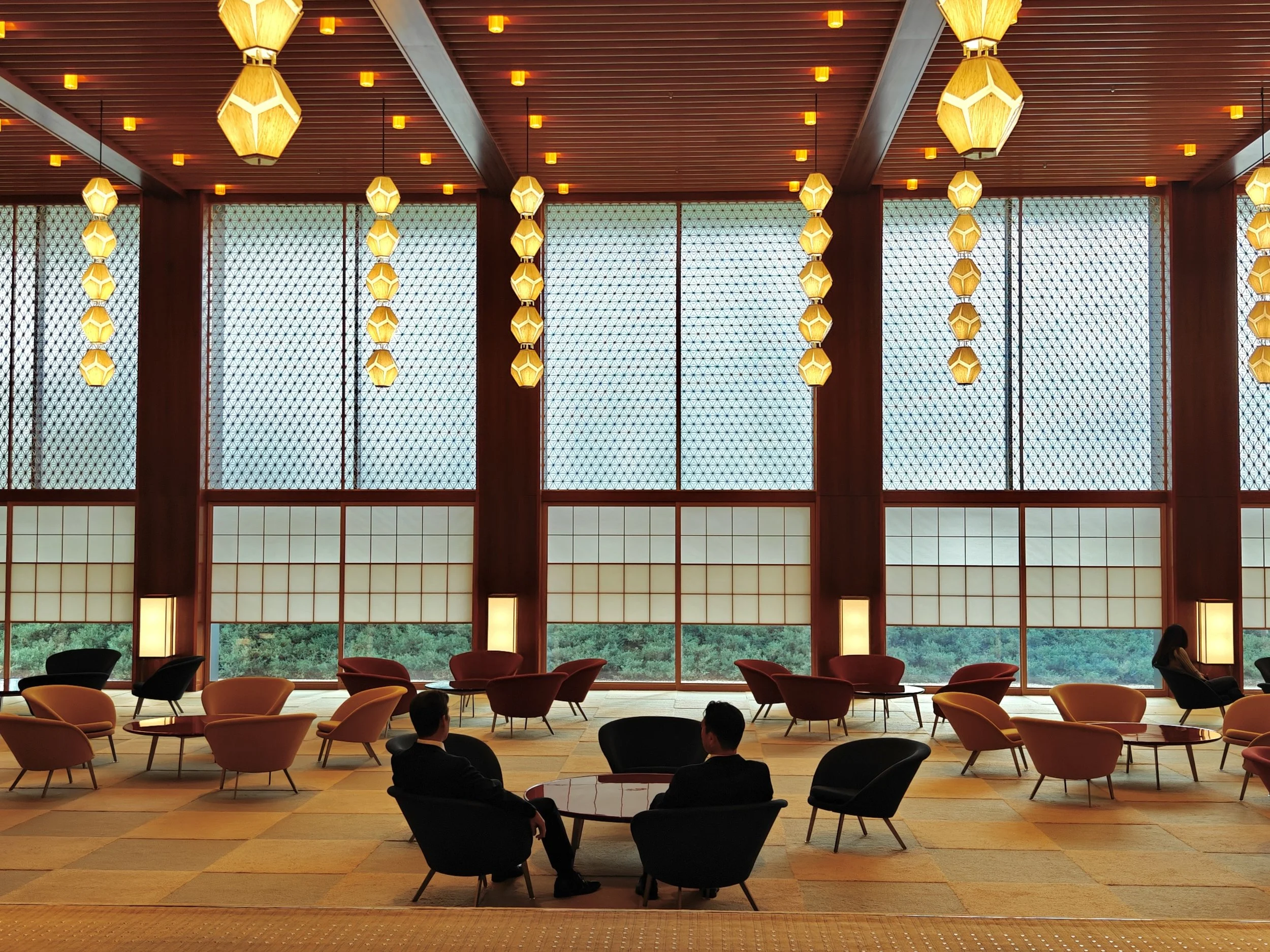
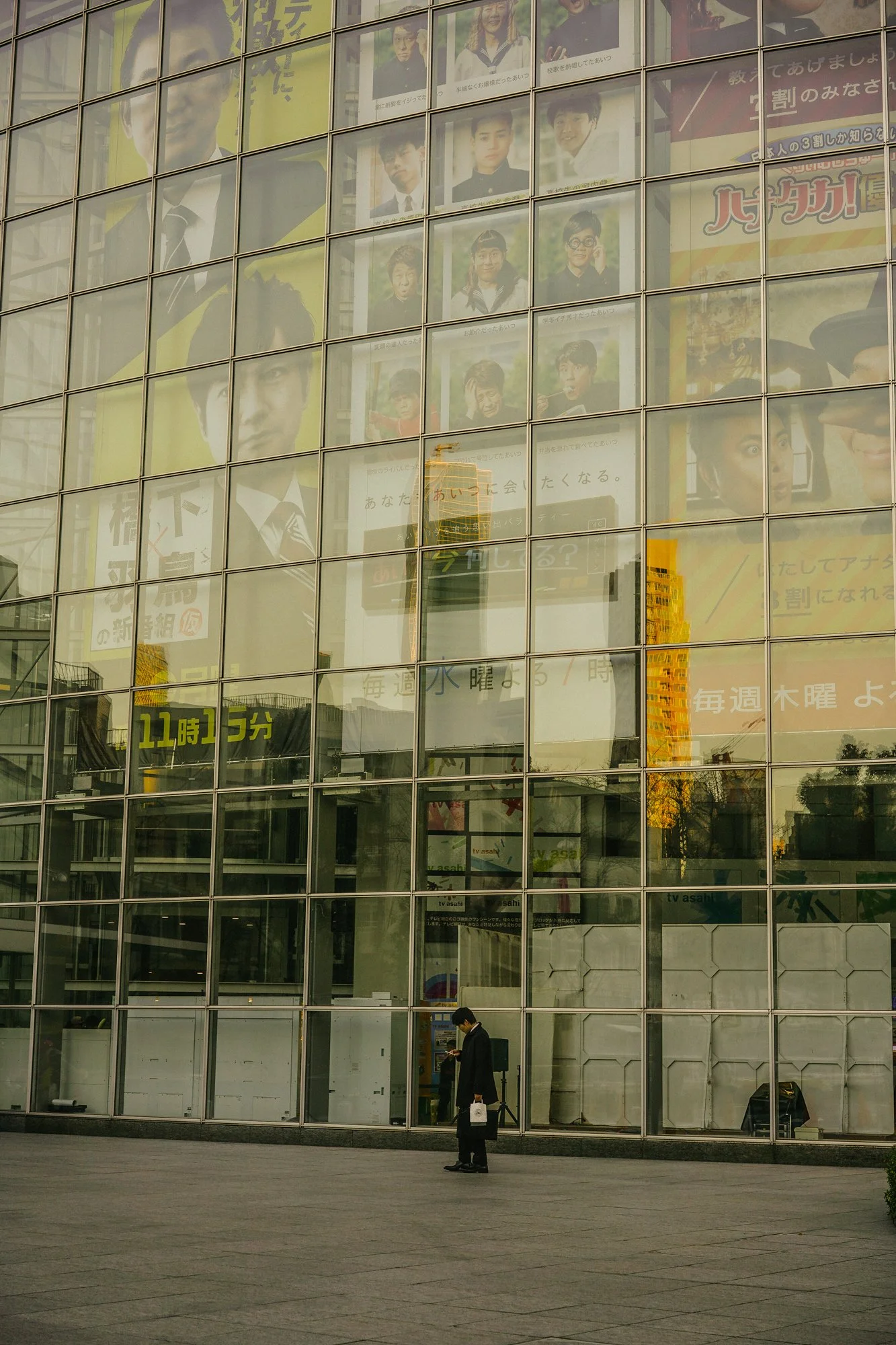

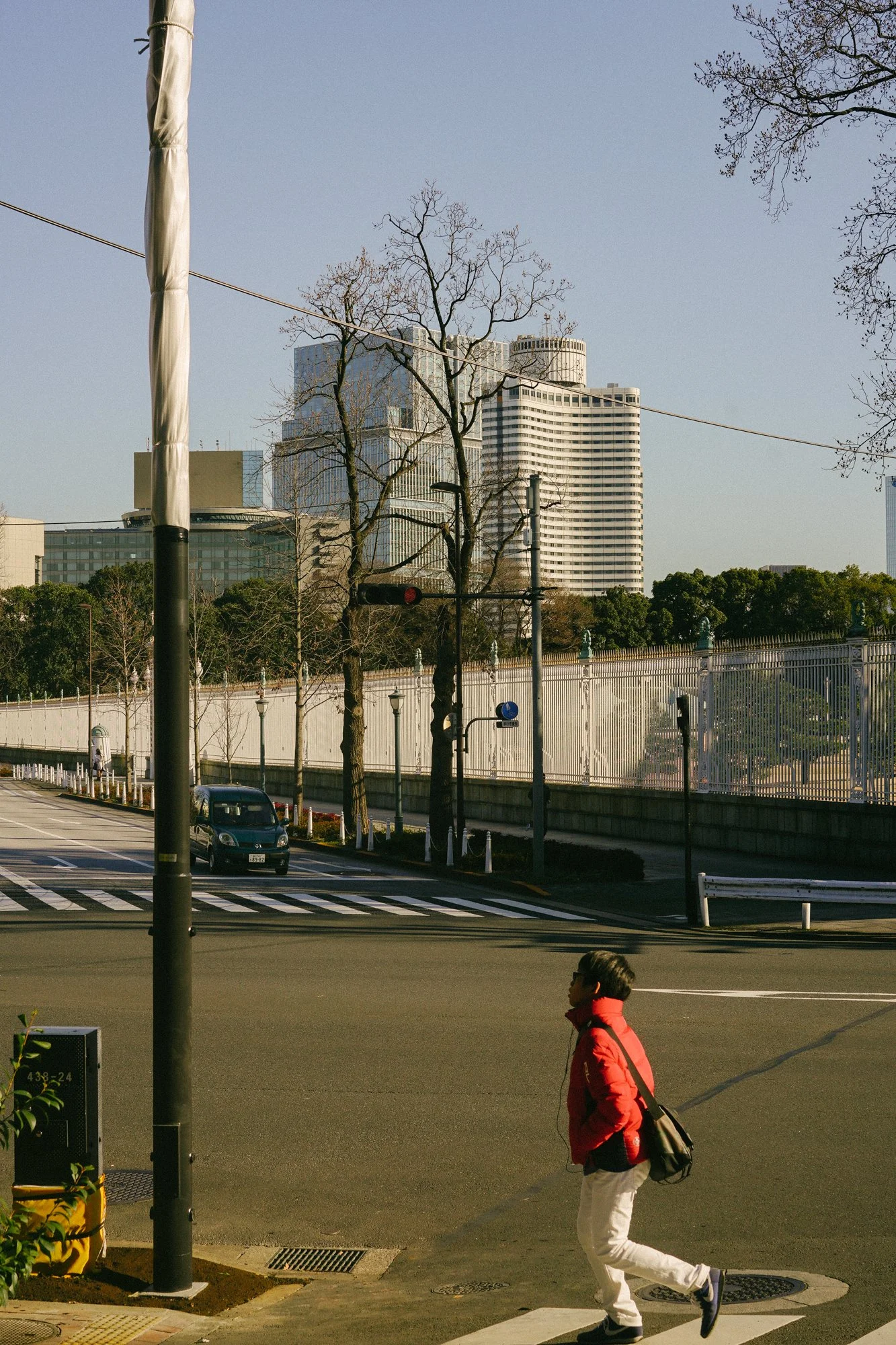
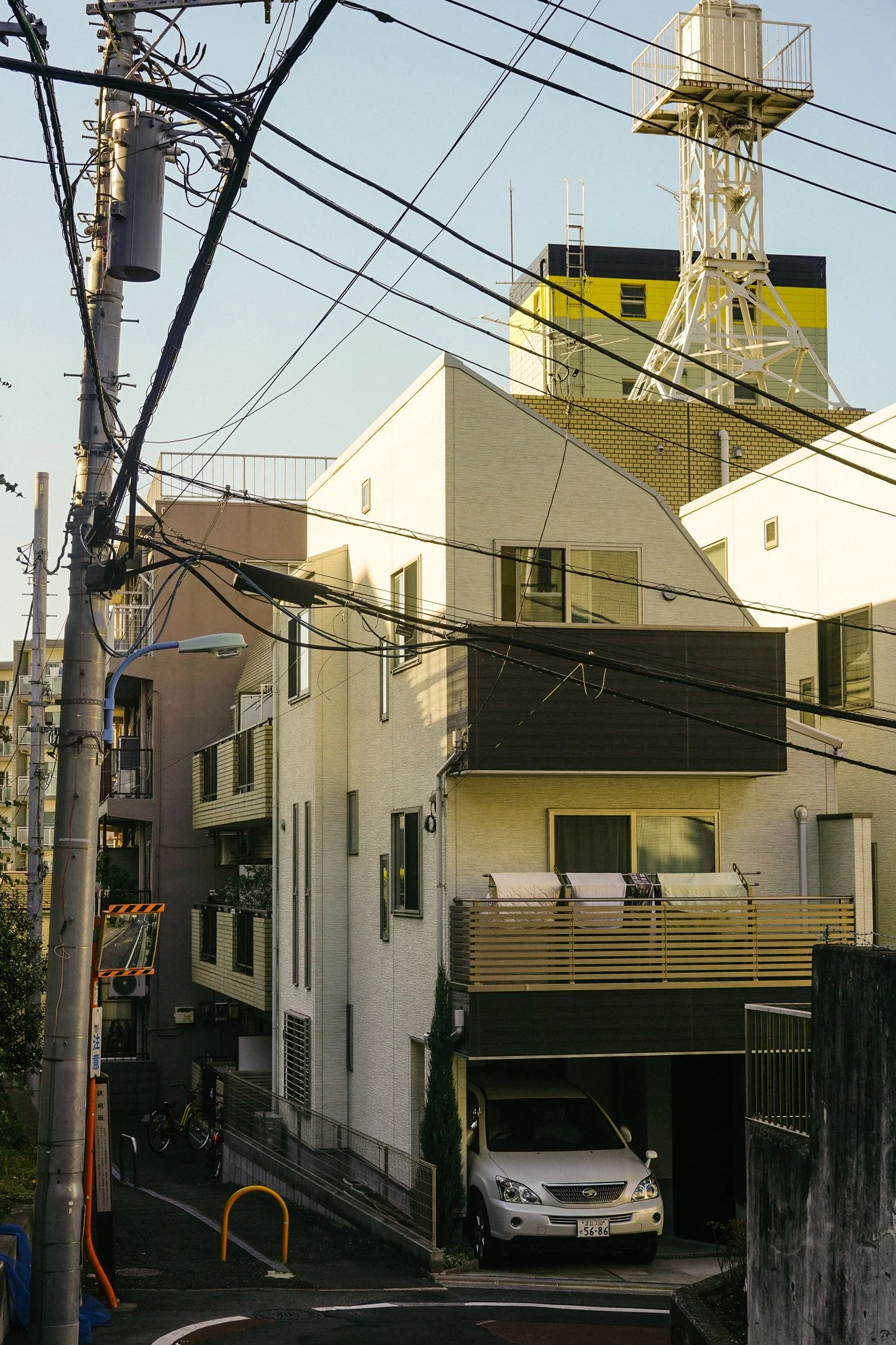
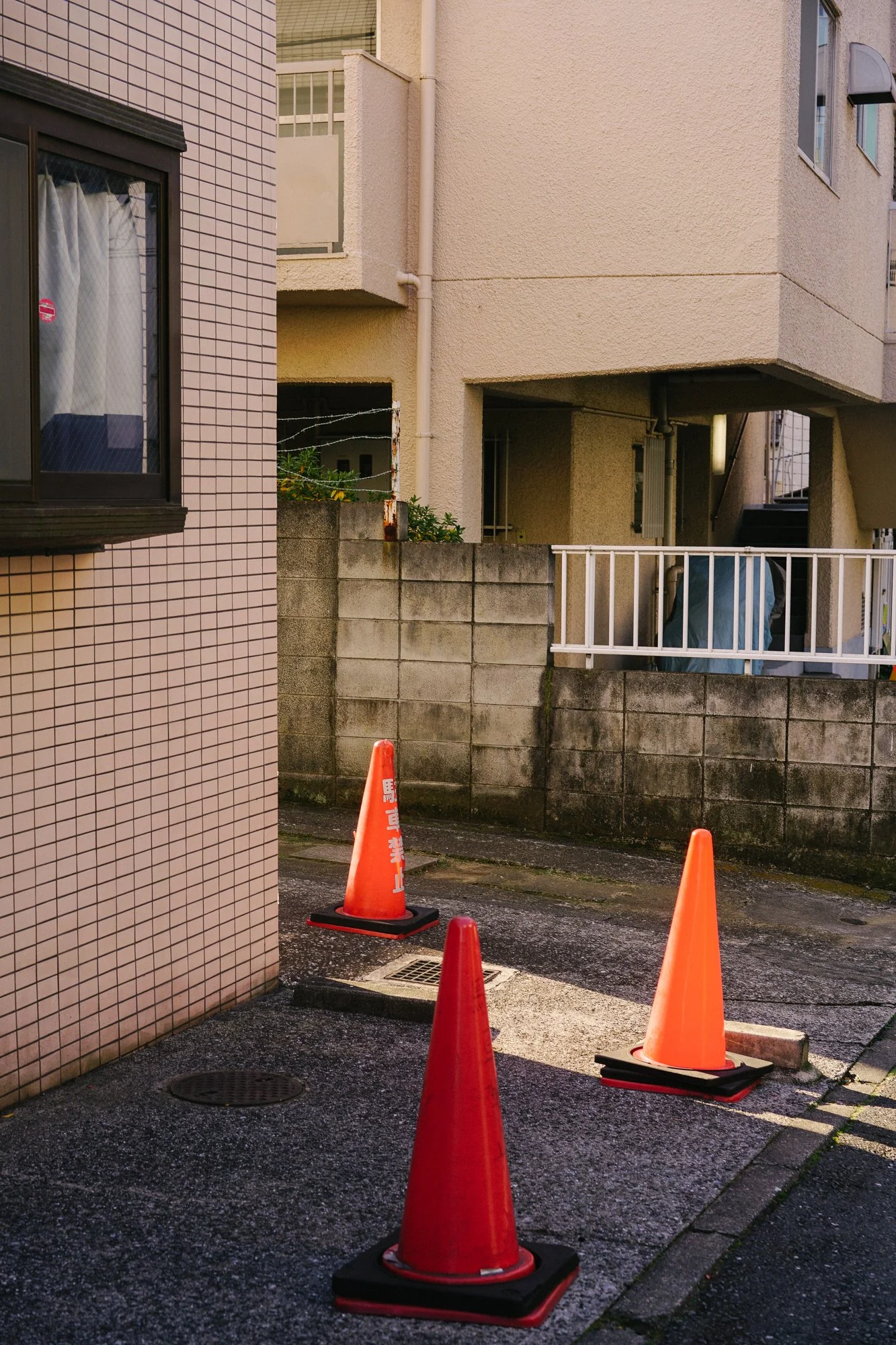






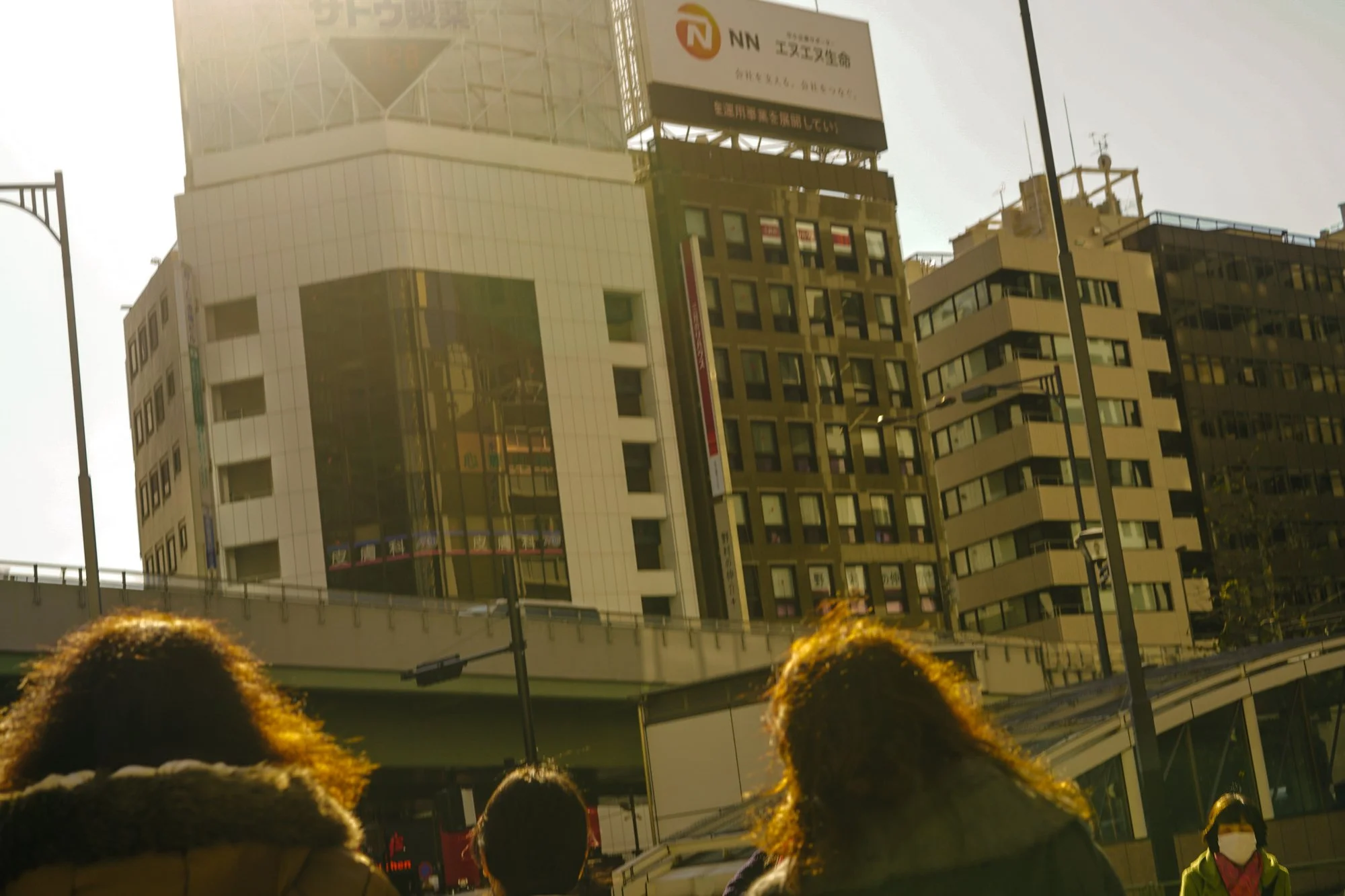

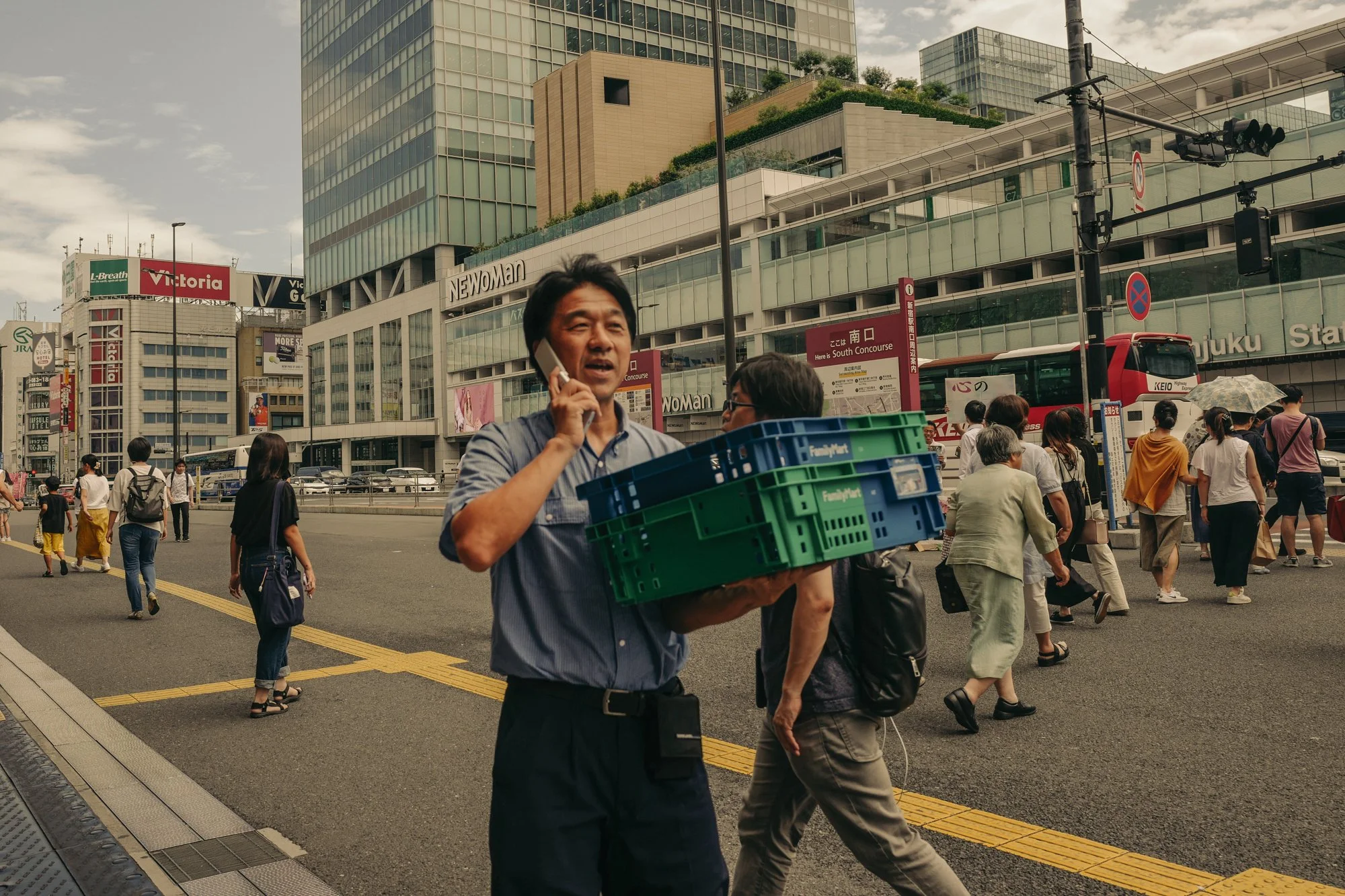
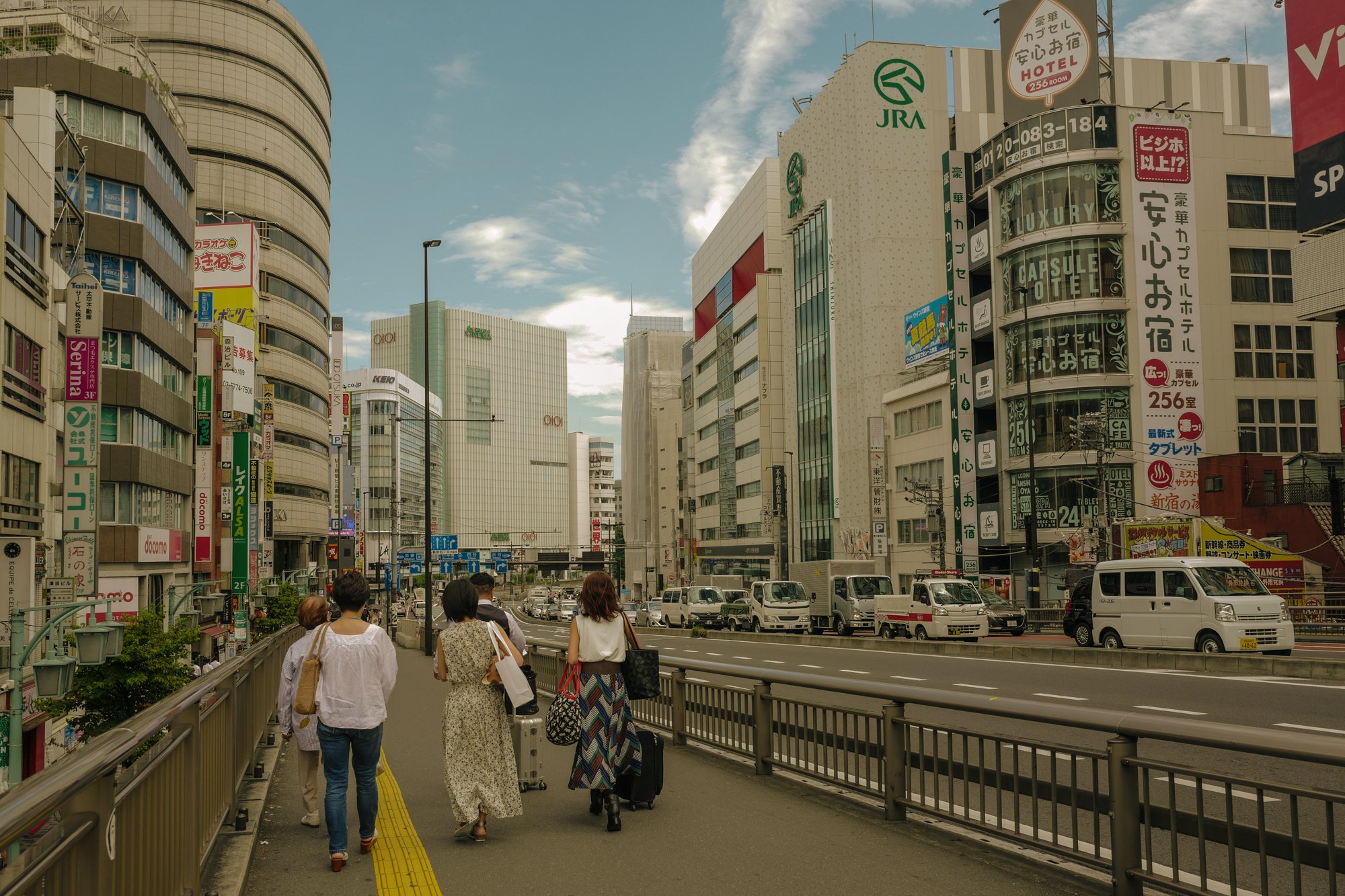
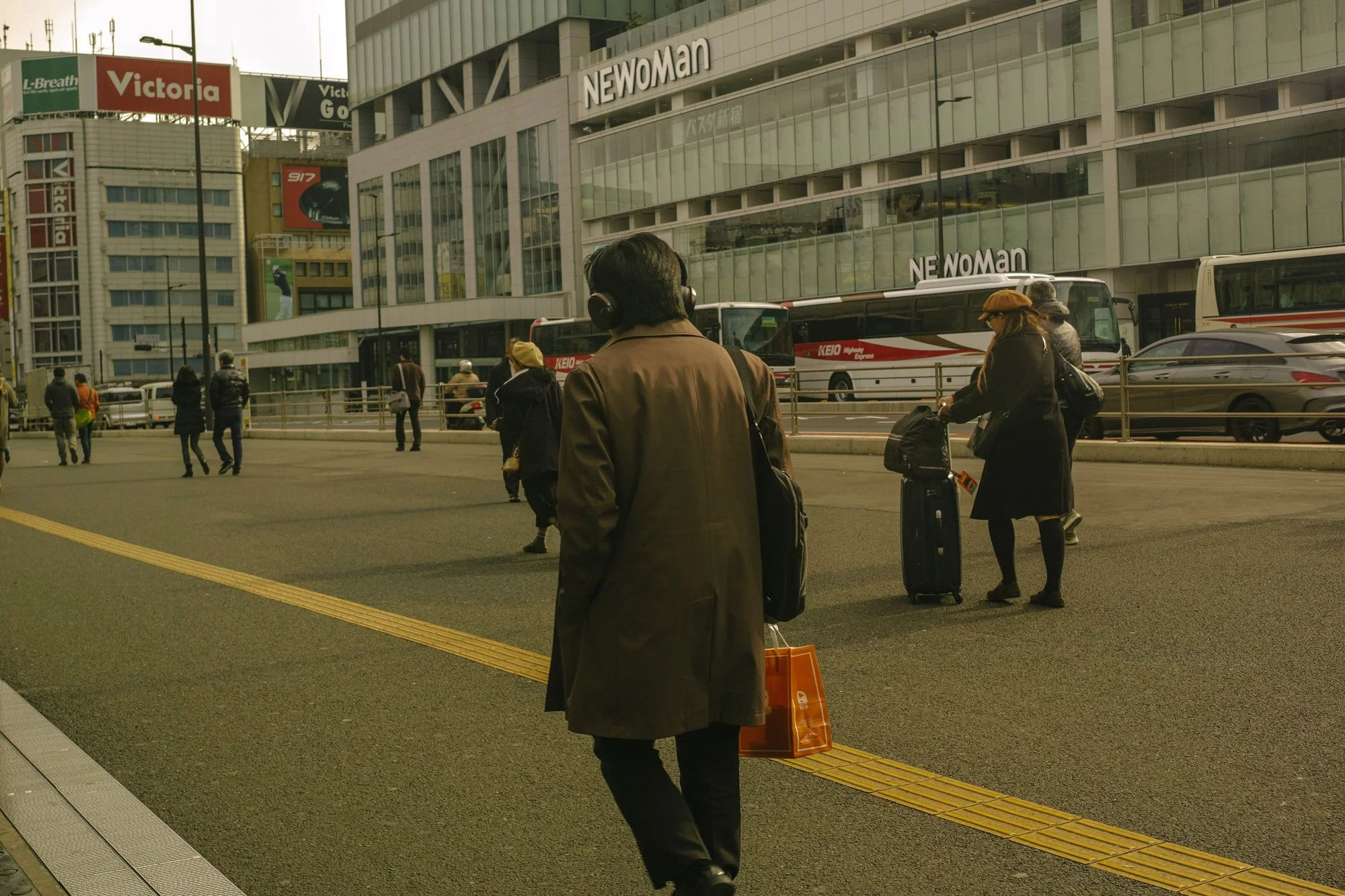



Japan: A Wabi-Sabi Realm 日本:侘寂之美
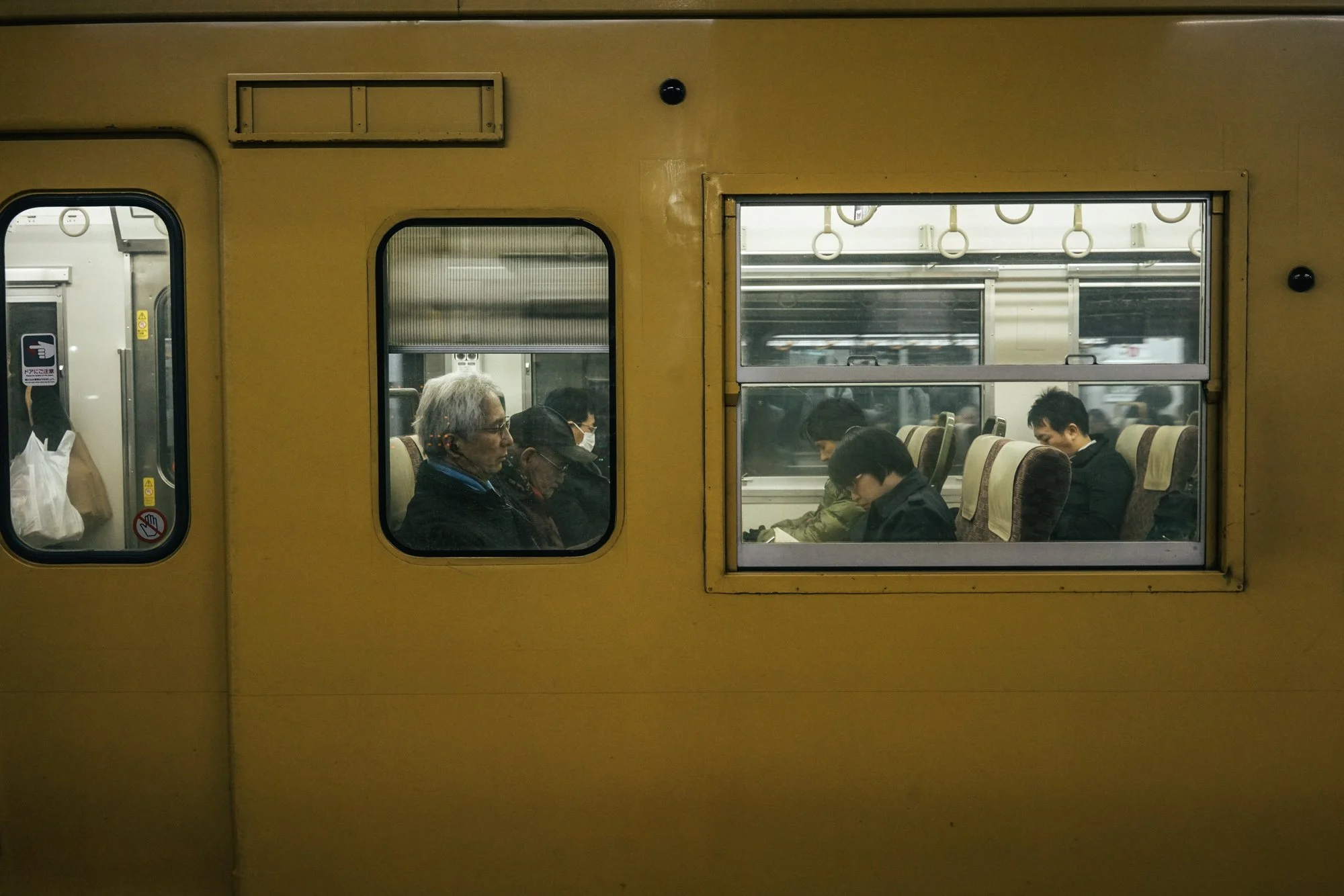
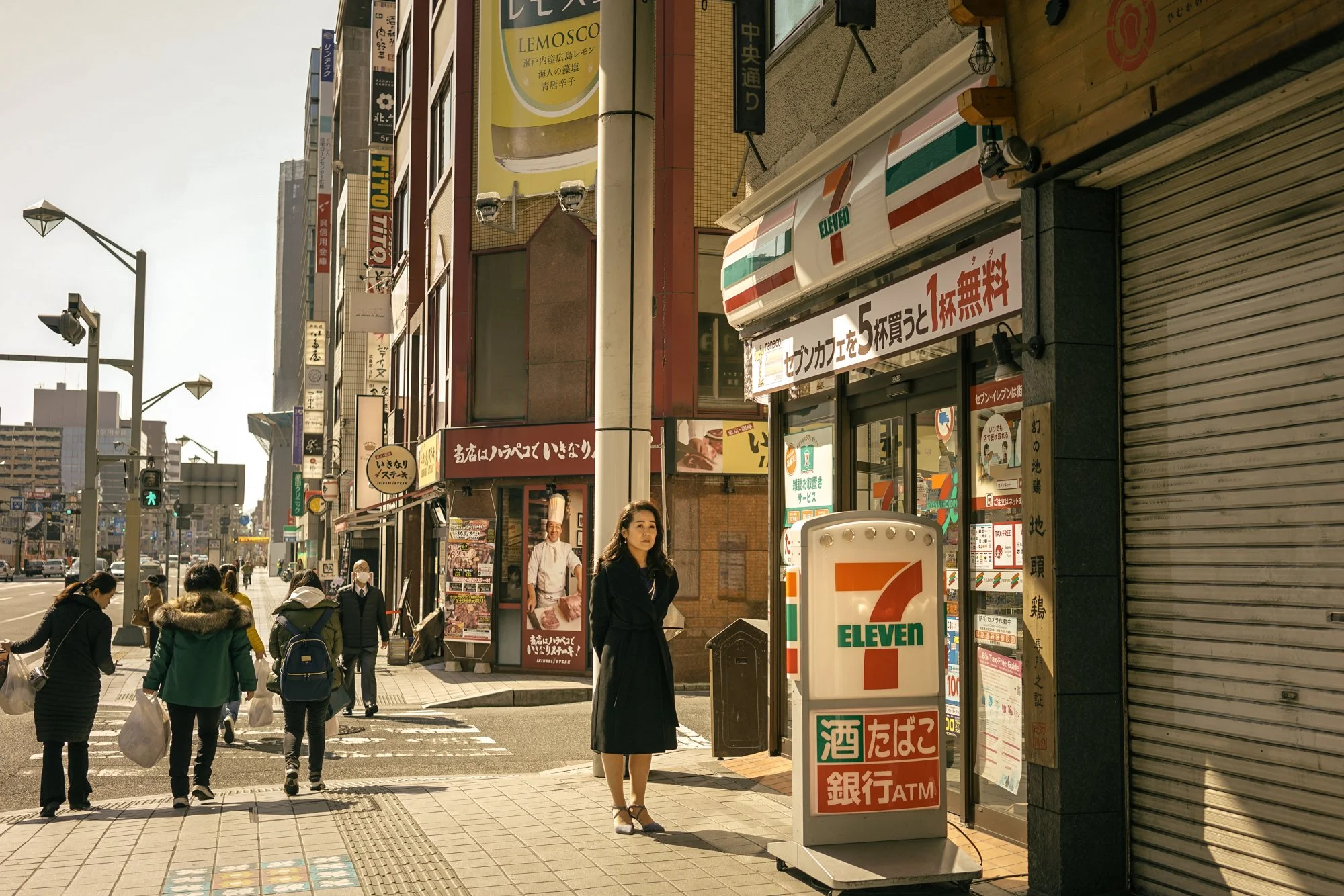
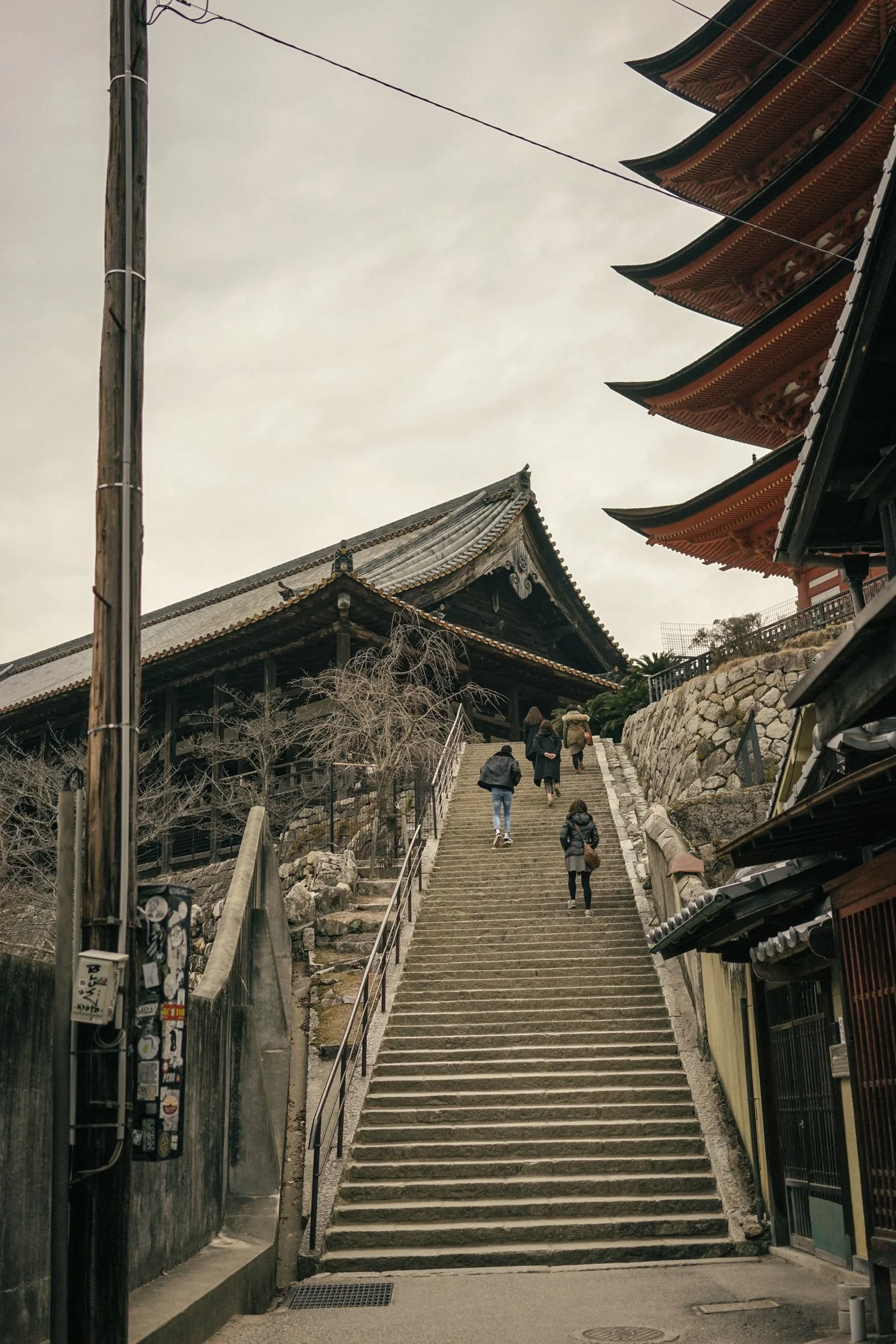
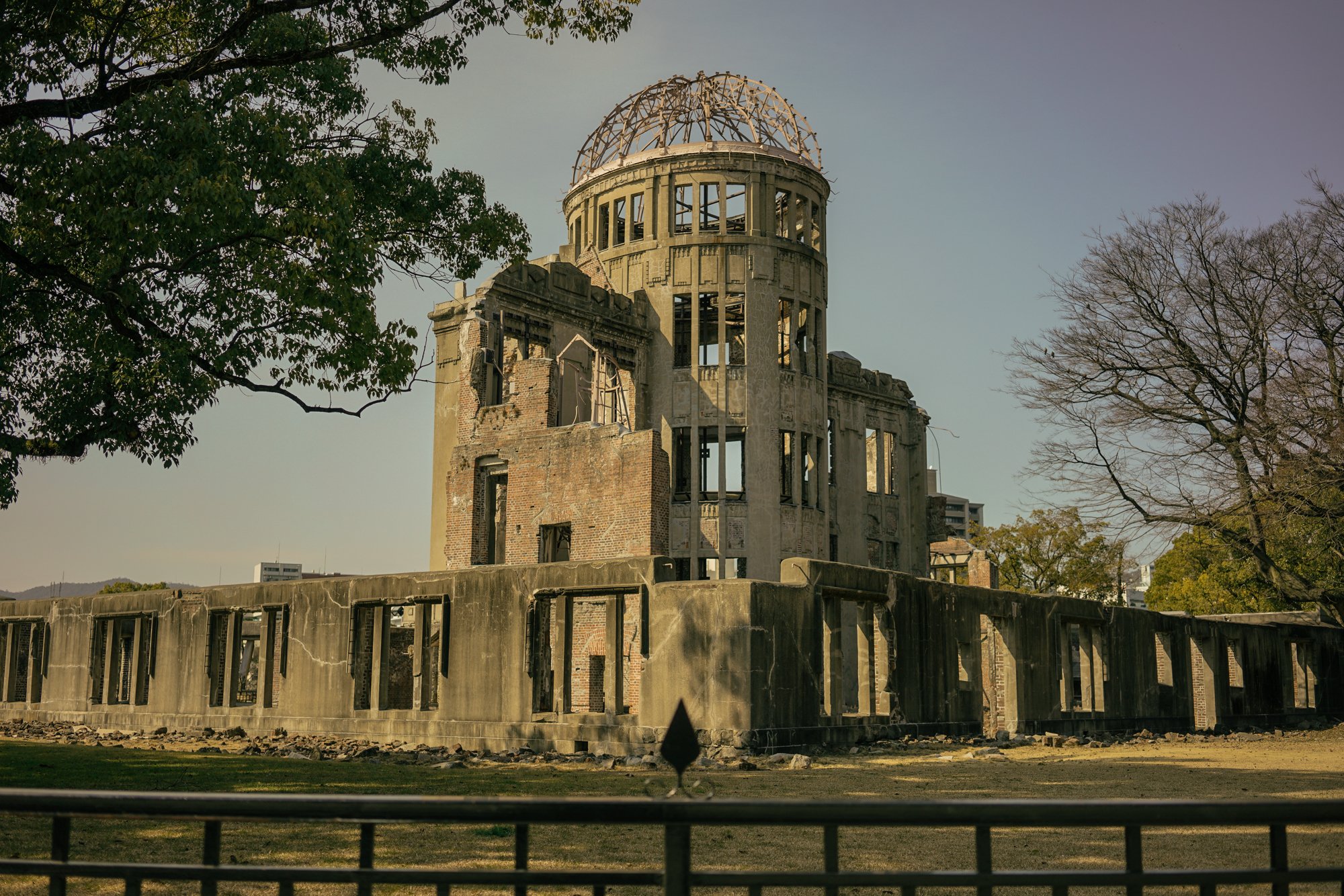
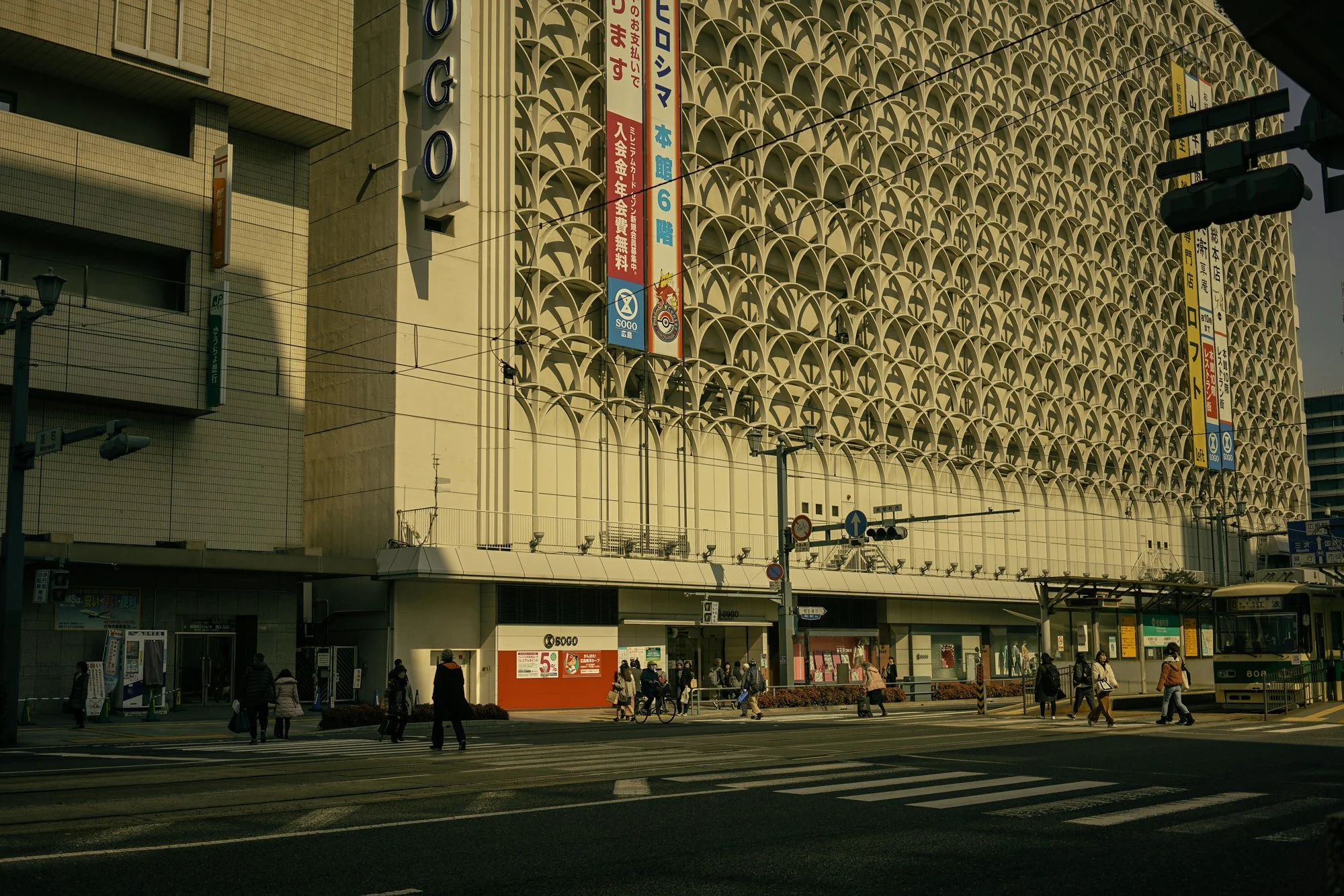
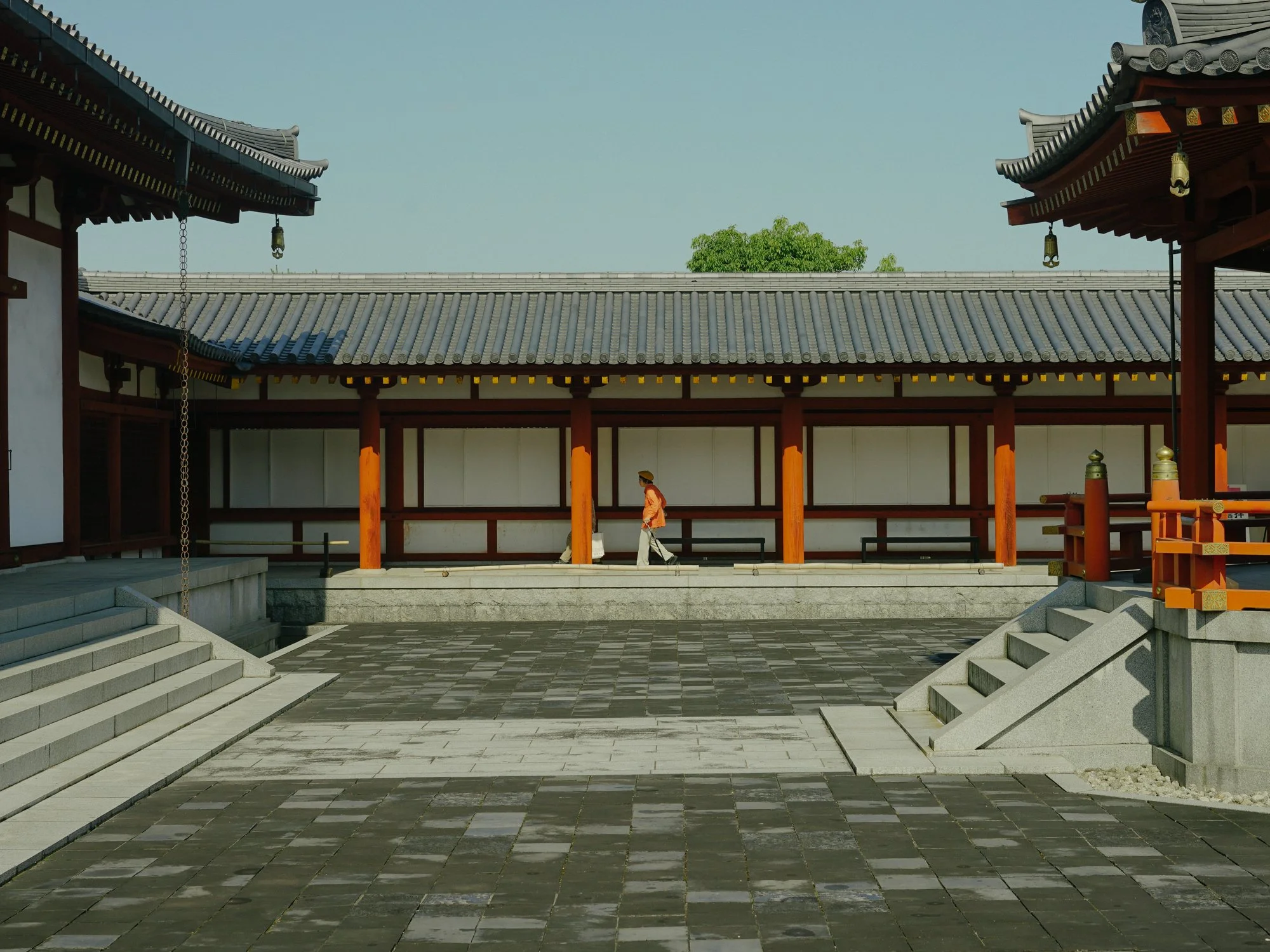
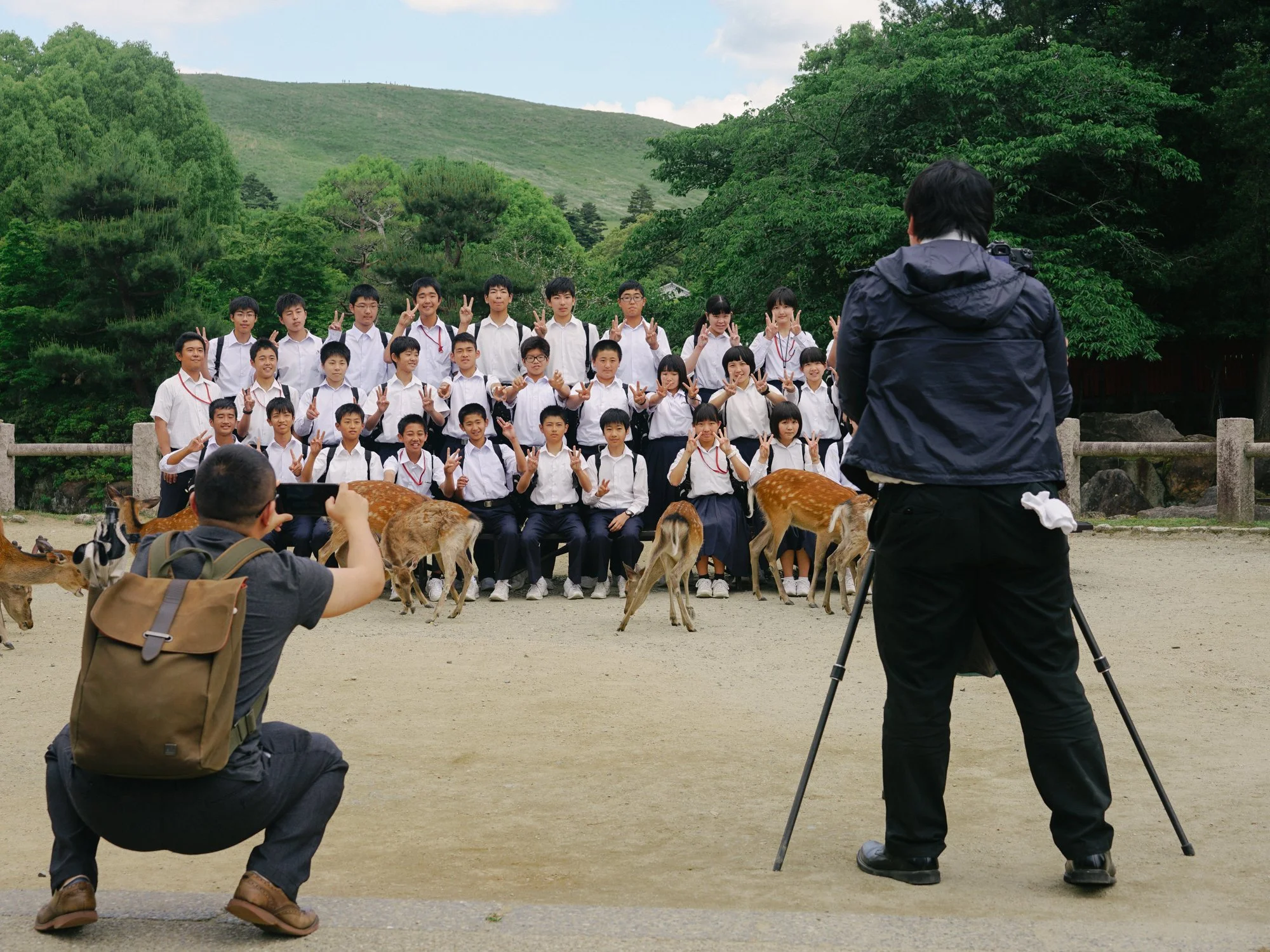
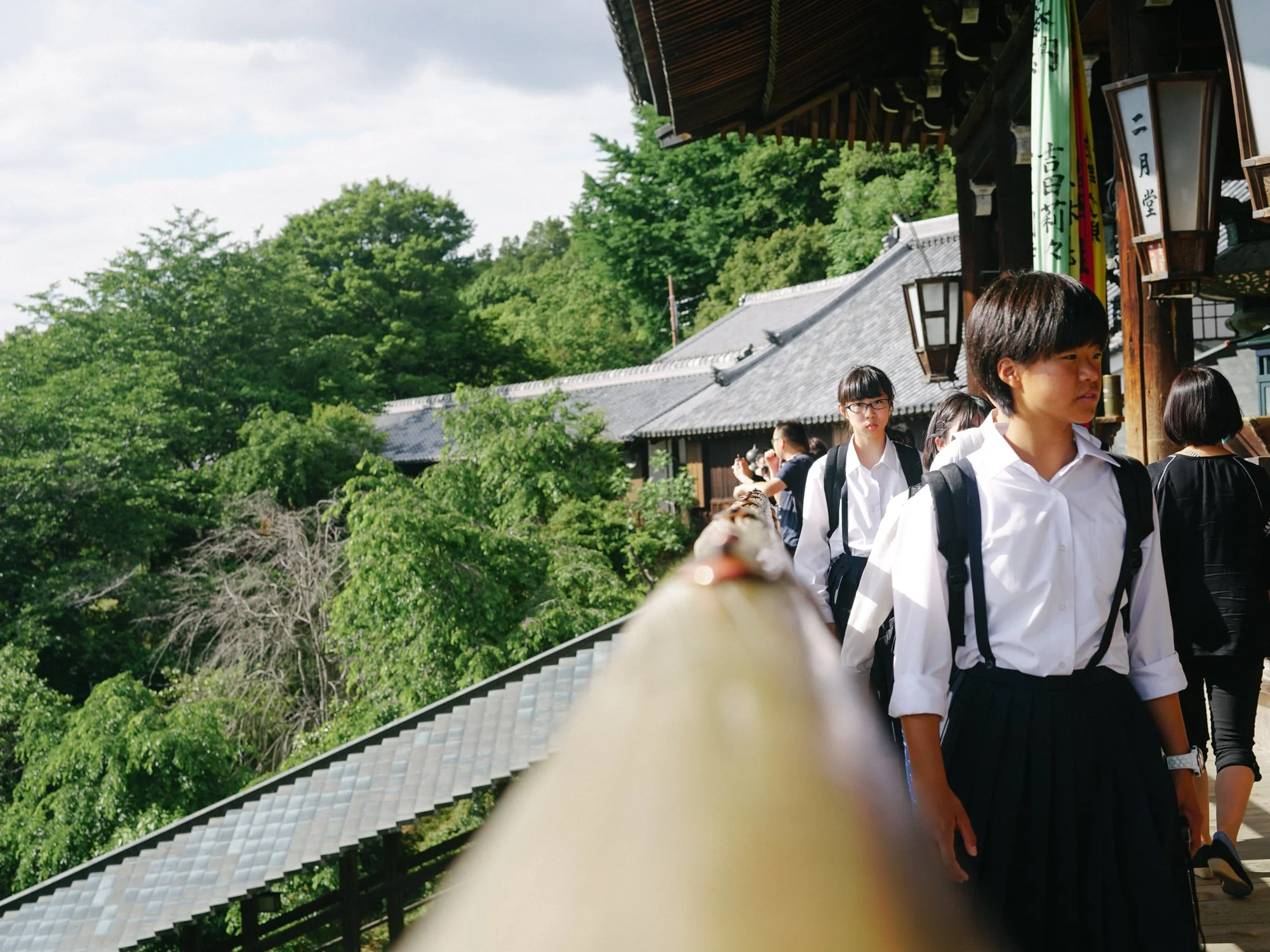
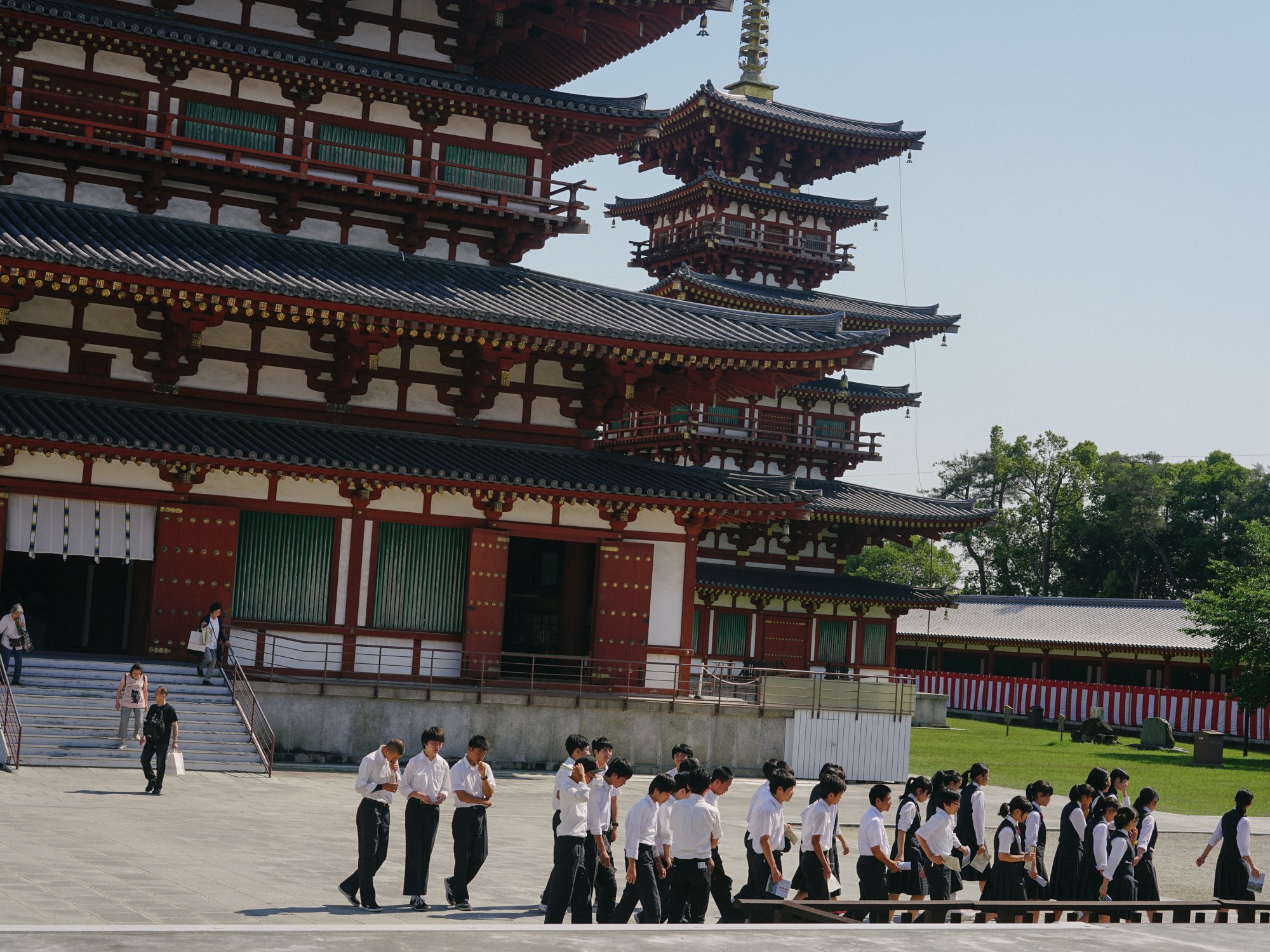
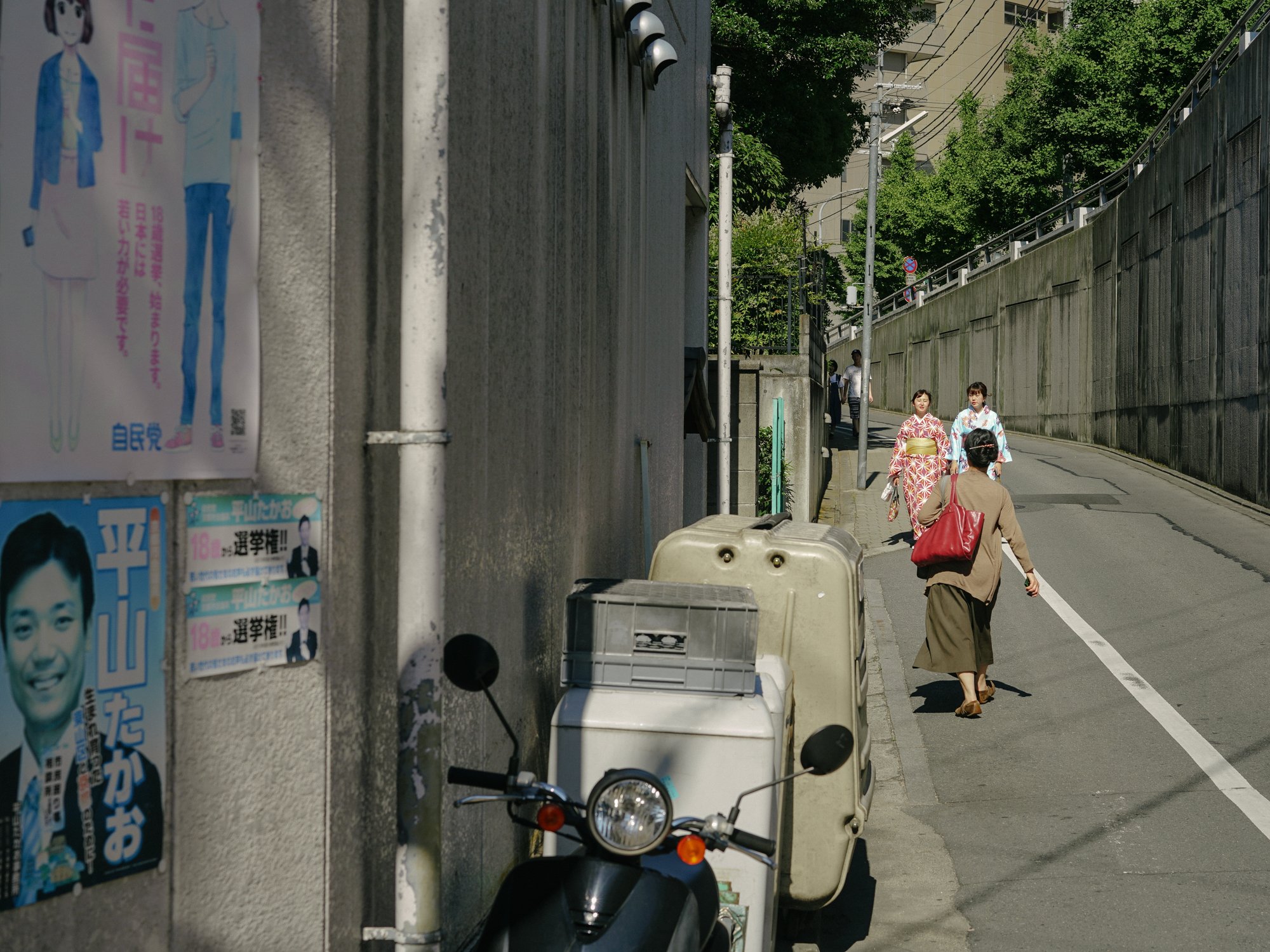
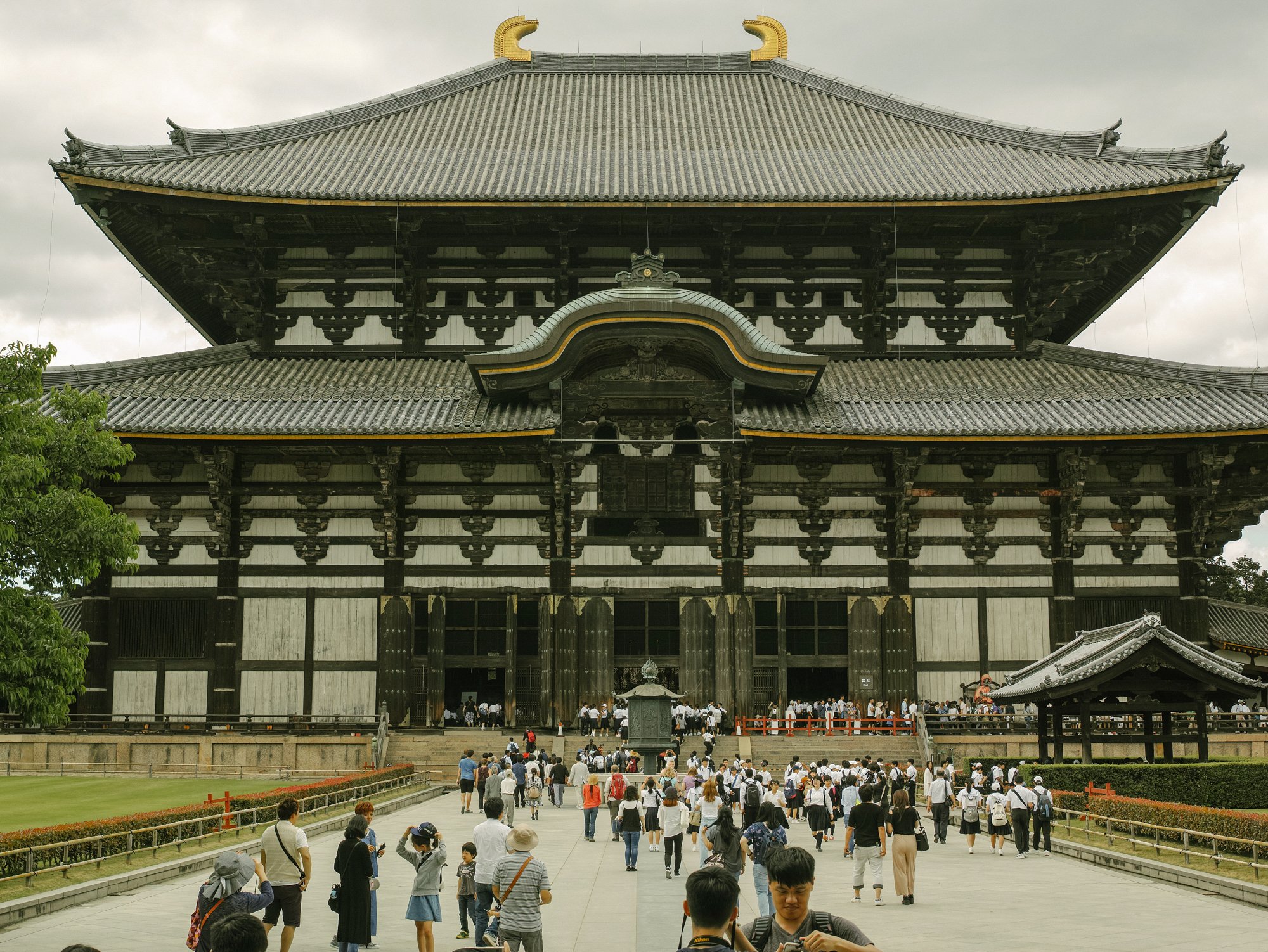
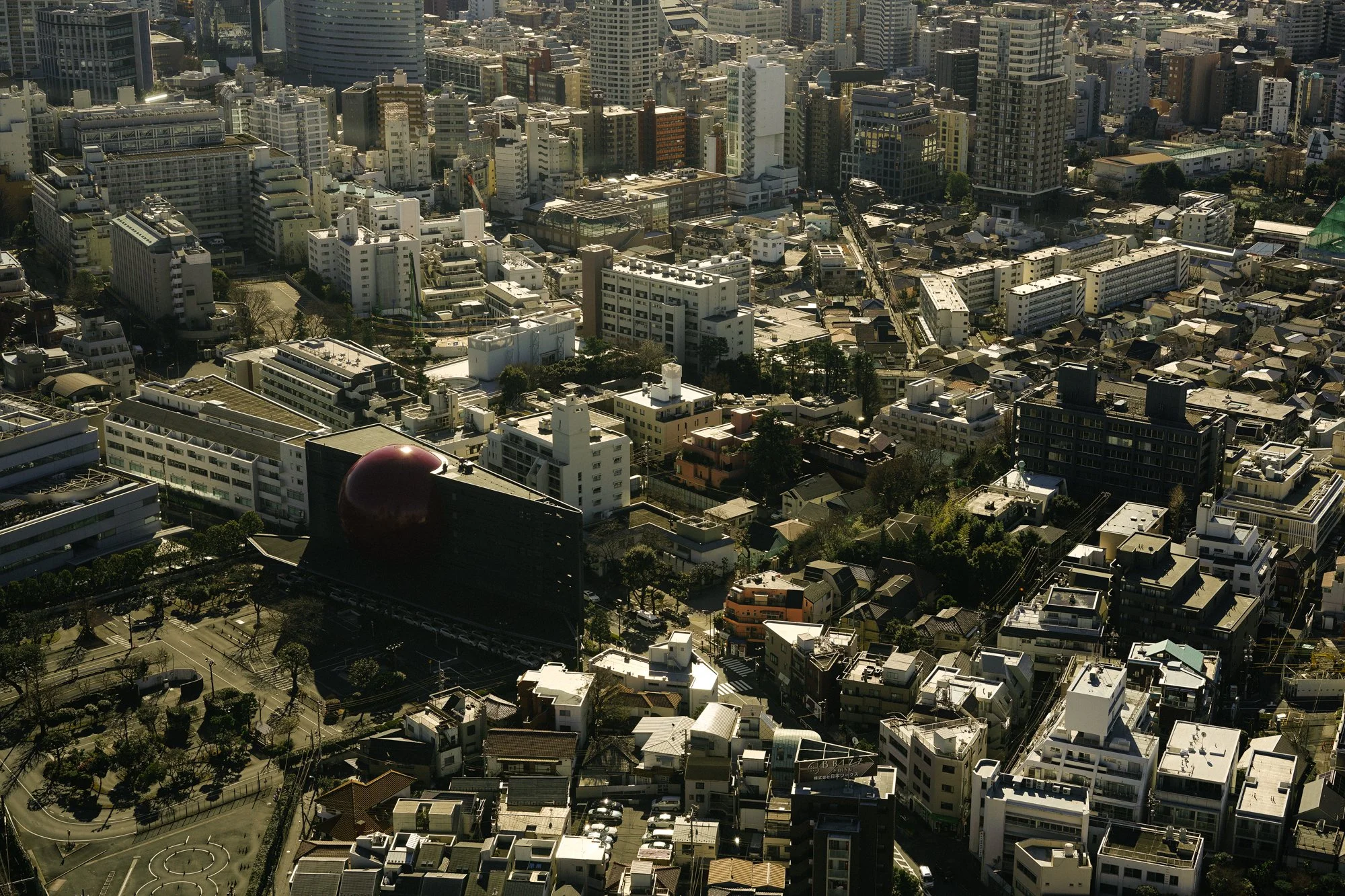
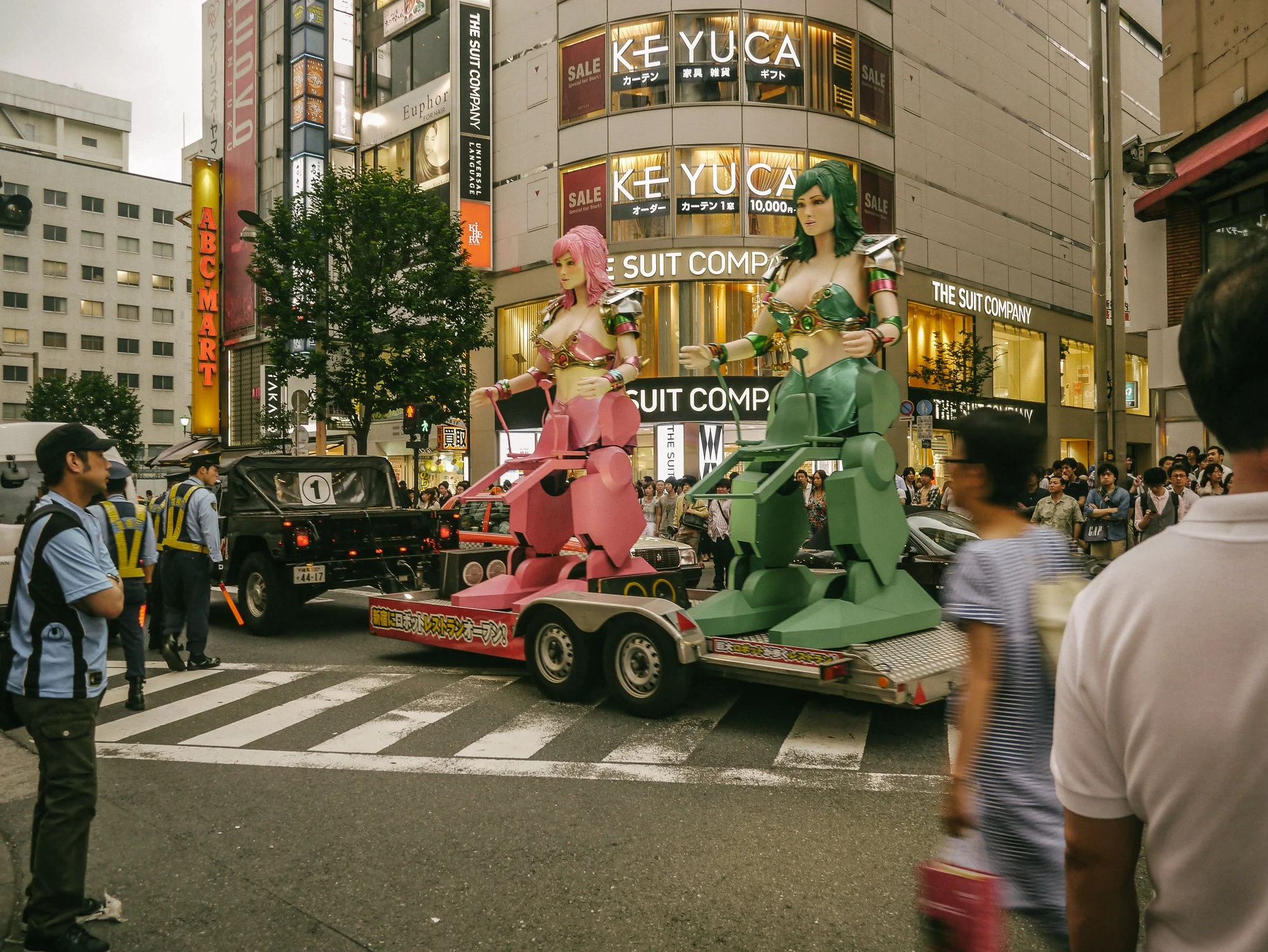
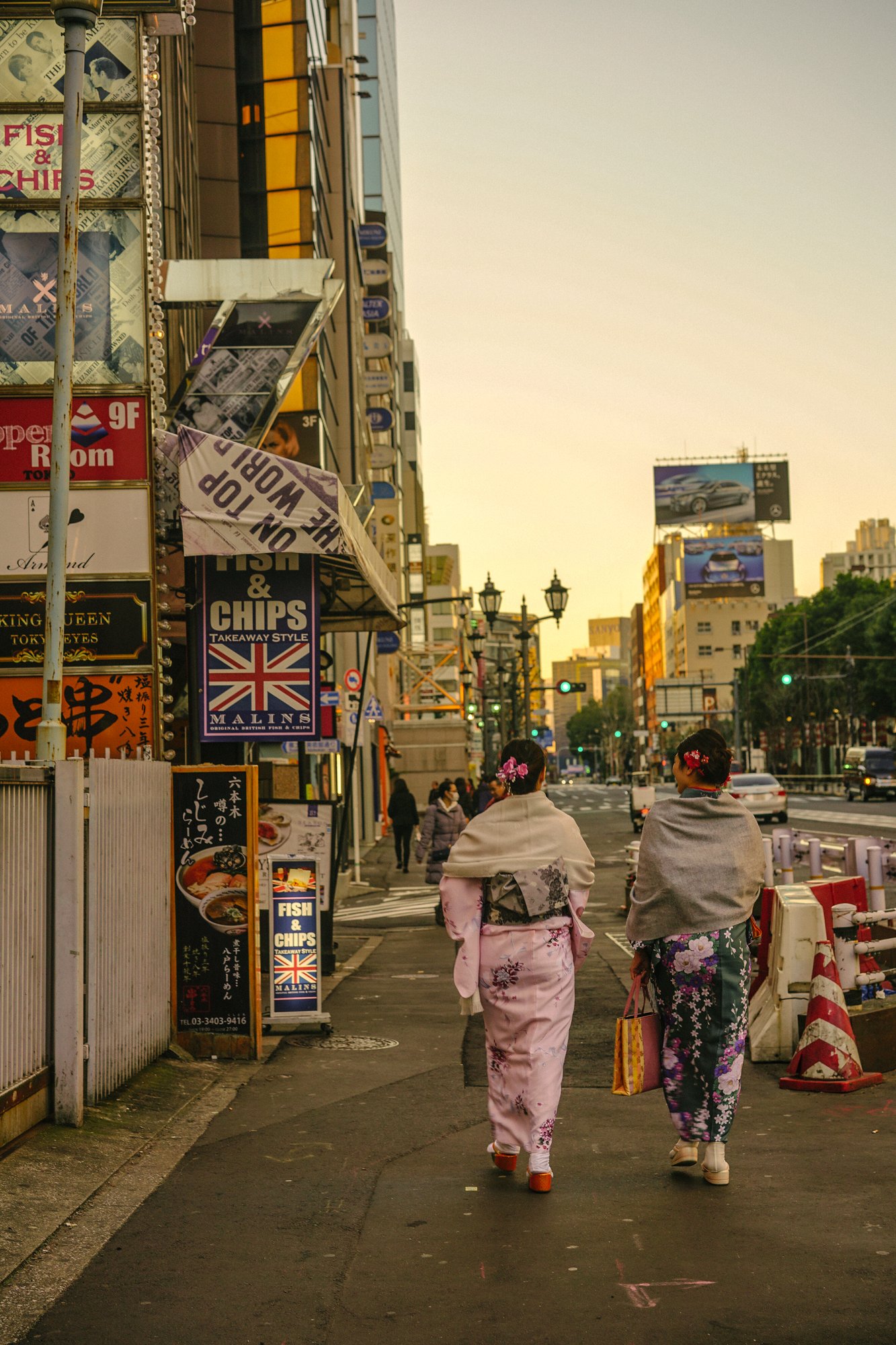
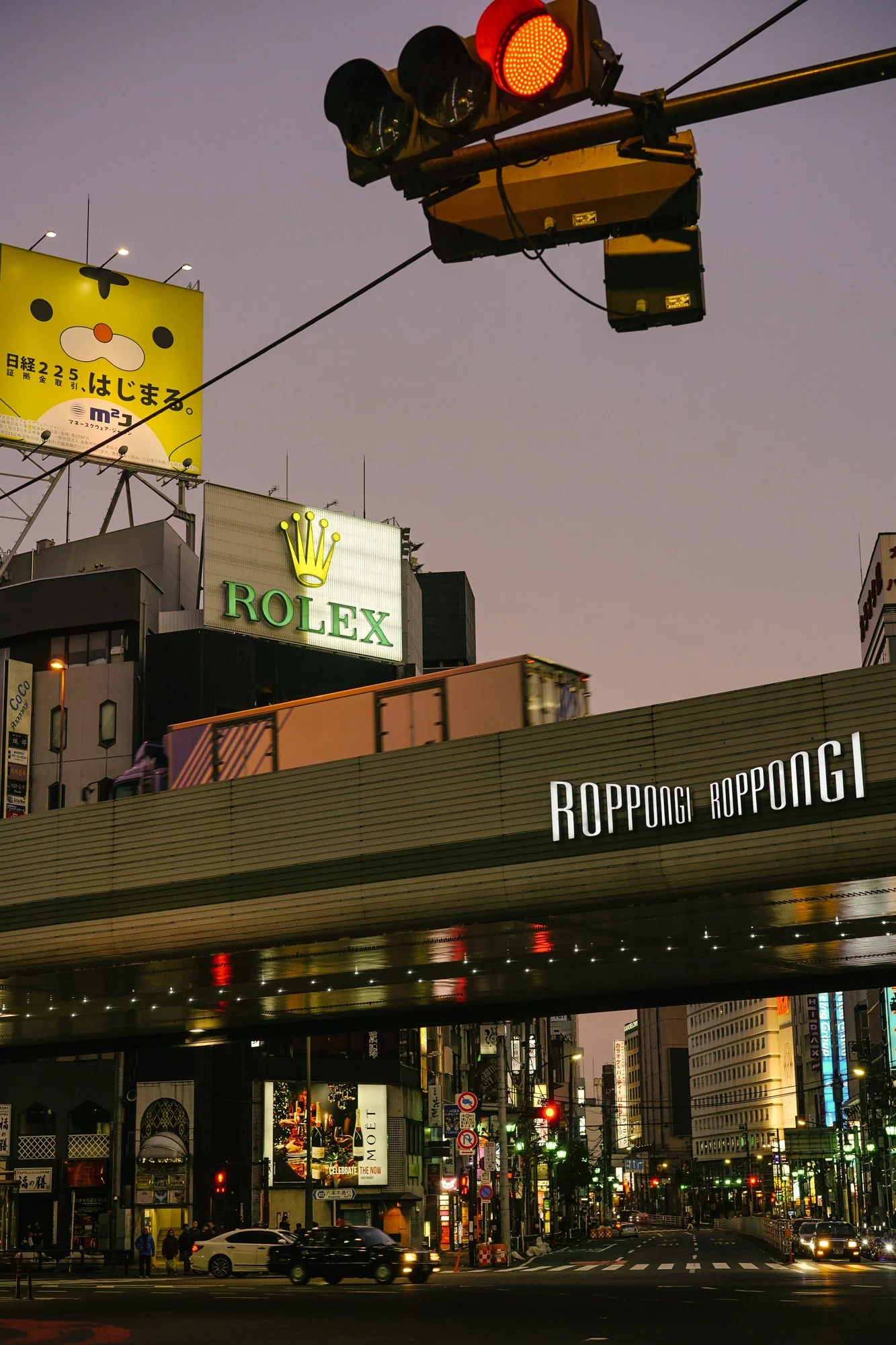
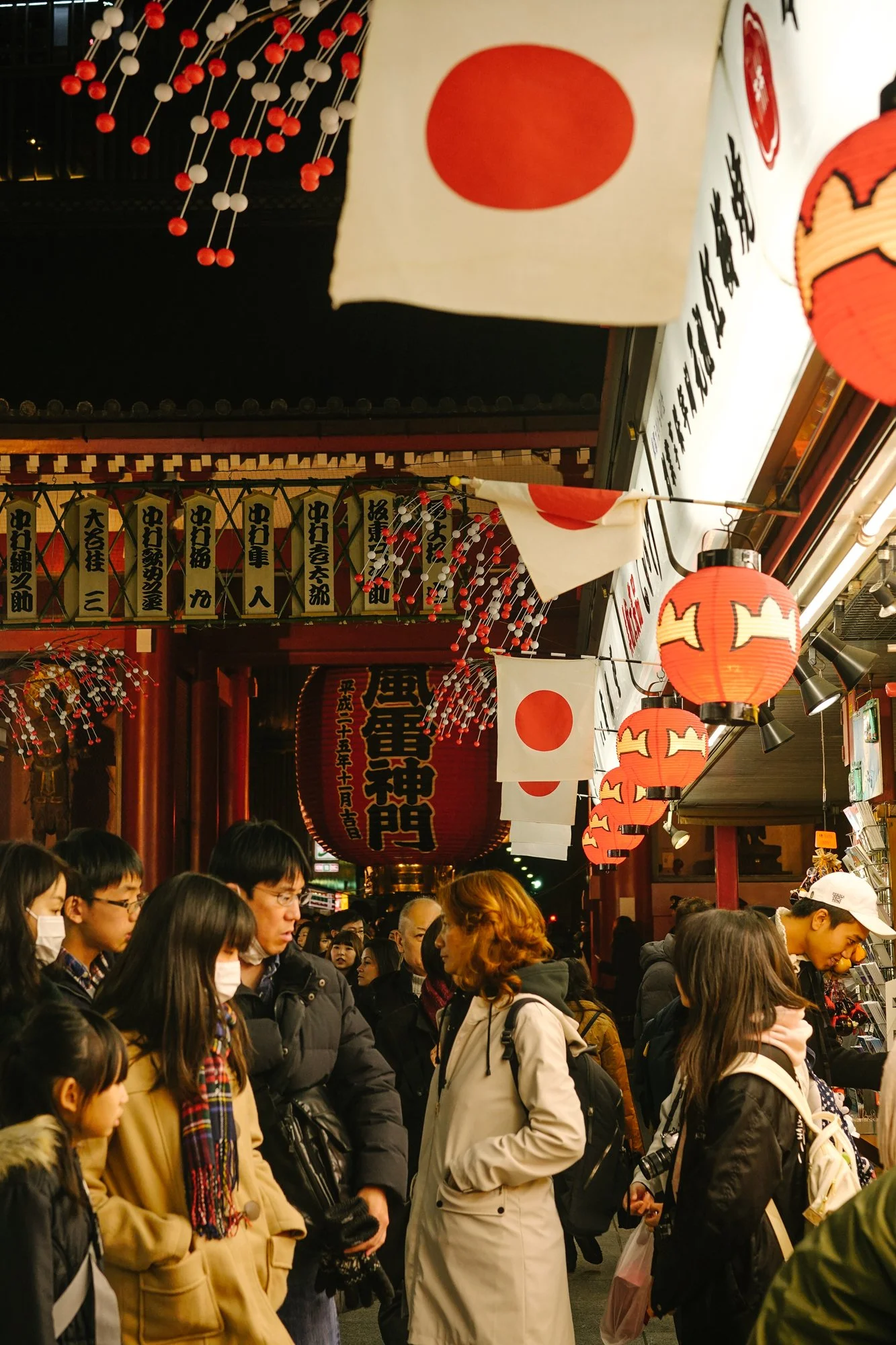
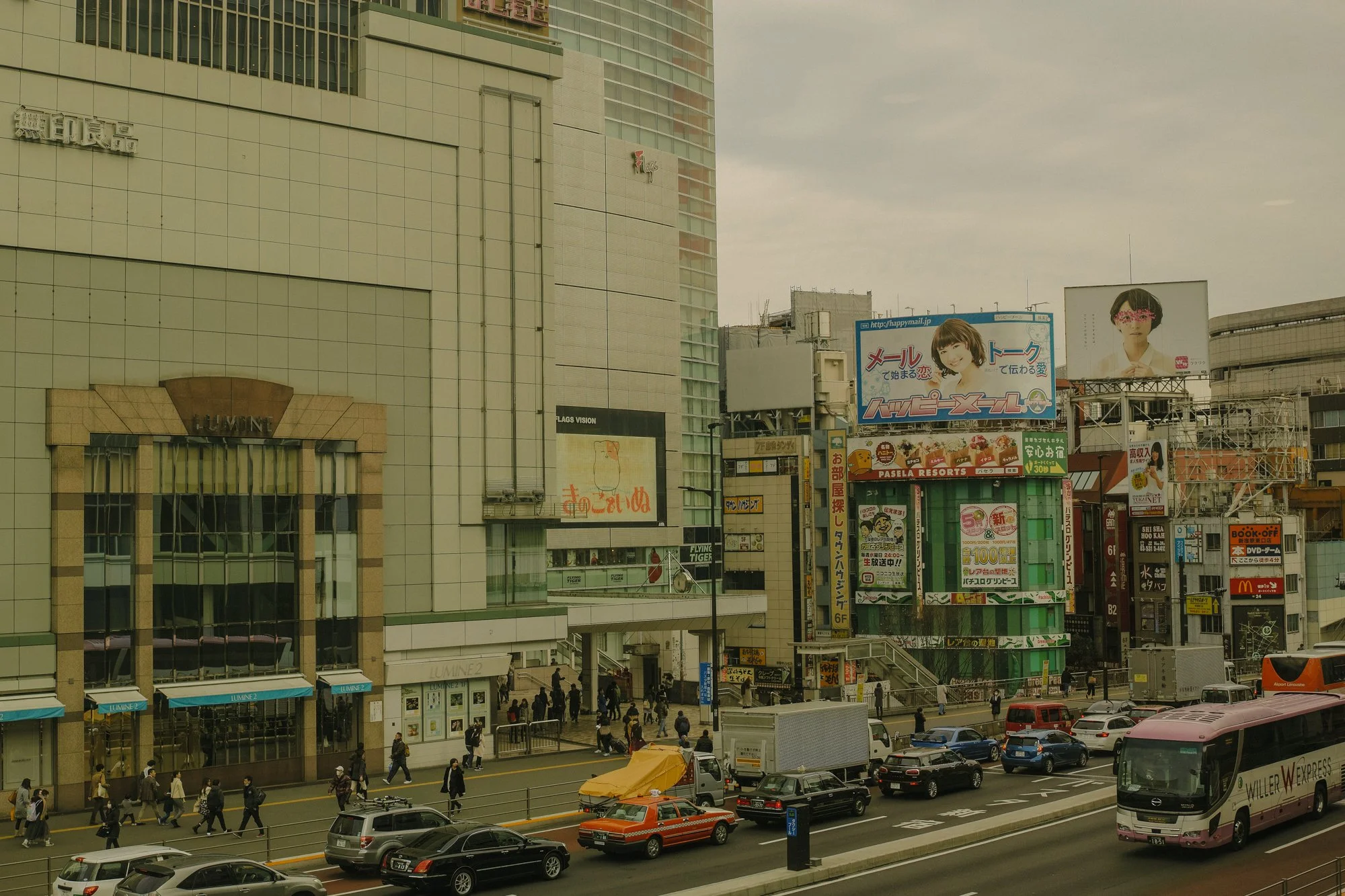
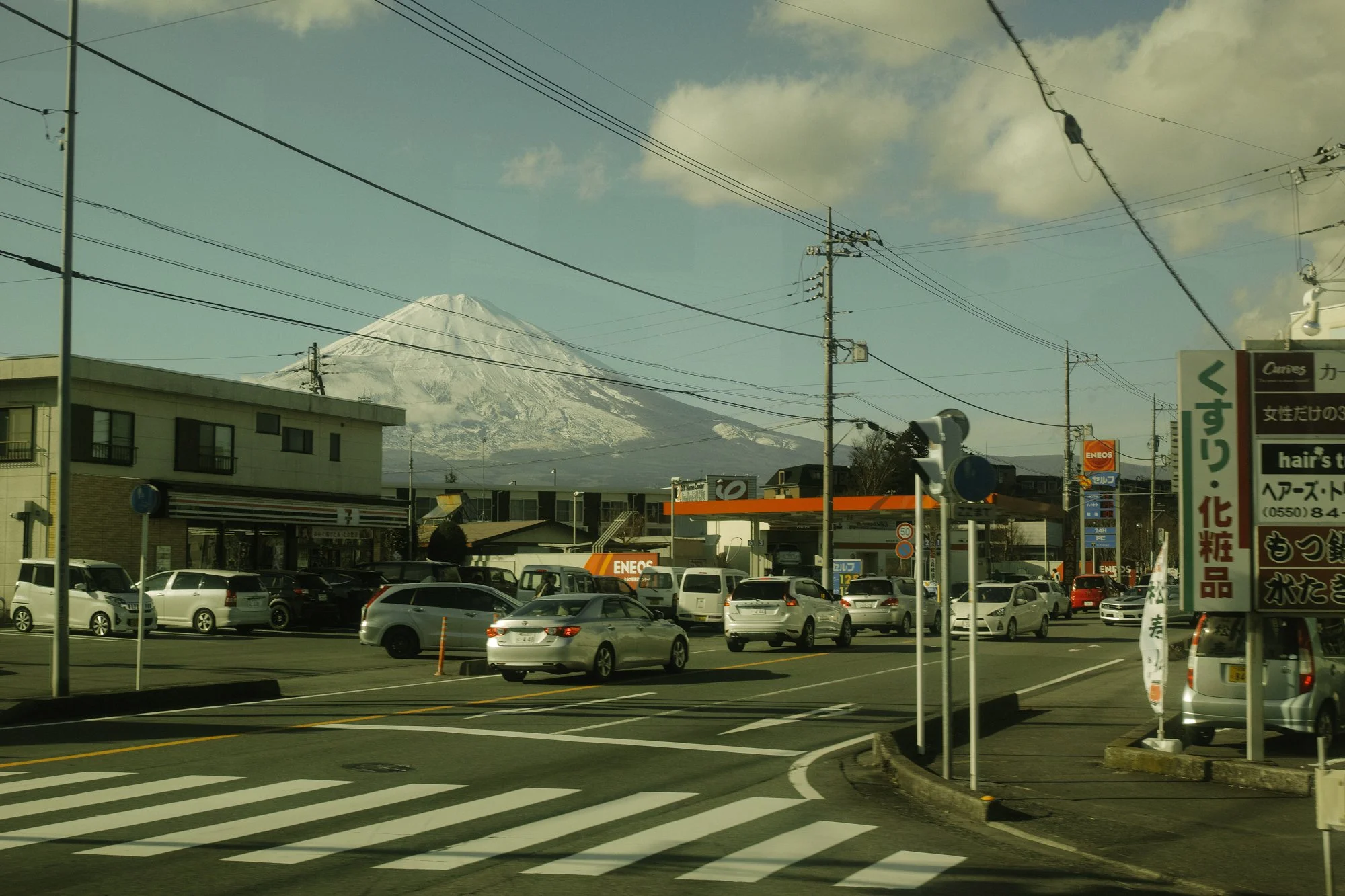
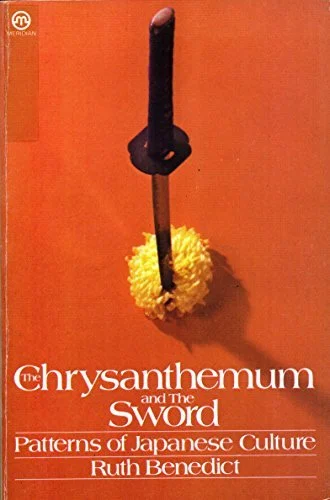
As a country close to China, it takes me only about two hours by plane to reach Japan. I have been to Japan seven times in total, visiting places such as Tokyo, Hakone, Izu, Yokohama, Kamakura, Osaka, Nara, Kyoto, Kobe, Hiroshima, and Okinawa. Through these many trips, two sides of Japan have taken shape in my mind: the serene, ritualistic world of the tea ceremony and Zen culture, and the vibrant, trendy, and diverse culture represented by Tokyo’s Shibuya and Shinjuku districts. As Ruth Benedict, the American anthropologist, illustrates in her seminal book The Chrysanthemum and the Sword, Japanese culture embodies a profound duality: “Both aggressive and unaggressive, both militaristic and aesthetic, both insolent and polite, rigid and adaptable, submissive and resentful of being pushed around, loyal and treacherous, brave and timid, conservative and hospitable to new ways.”
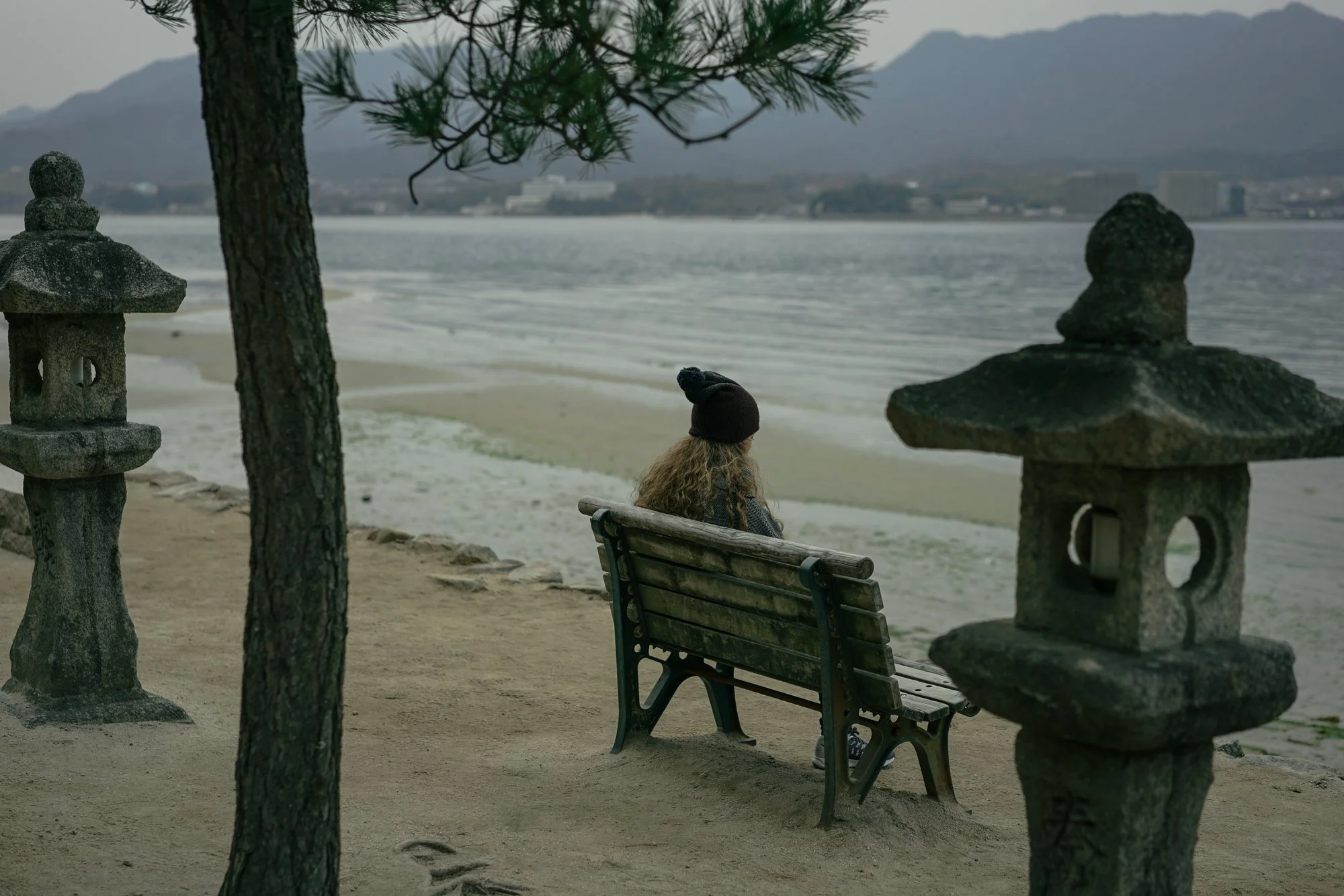
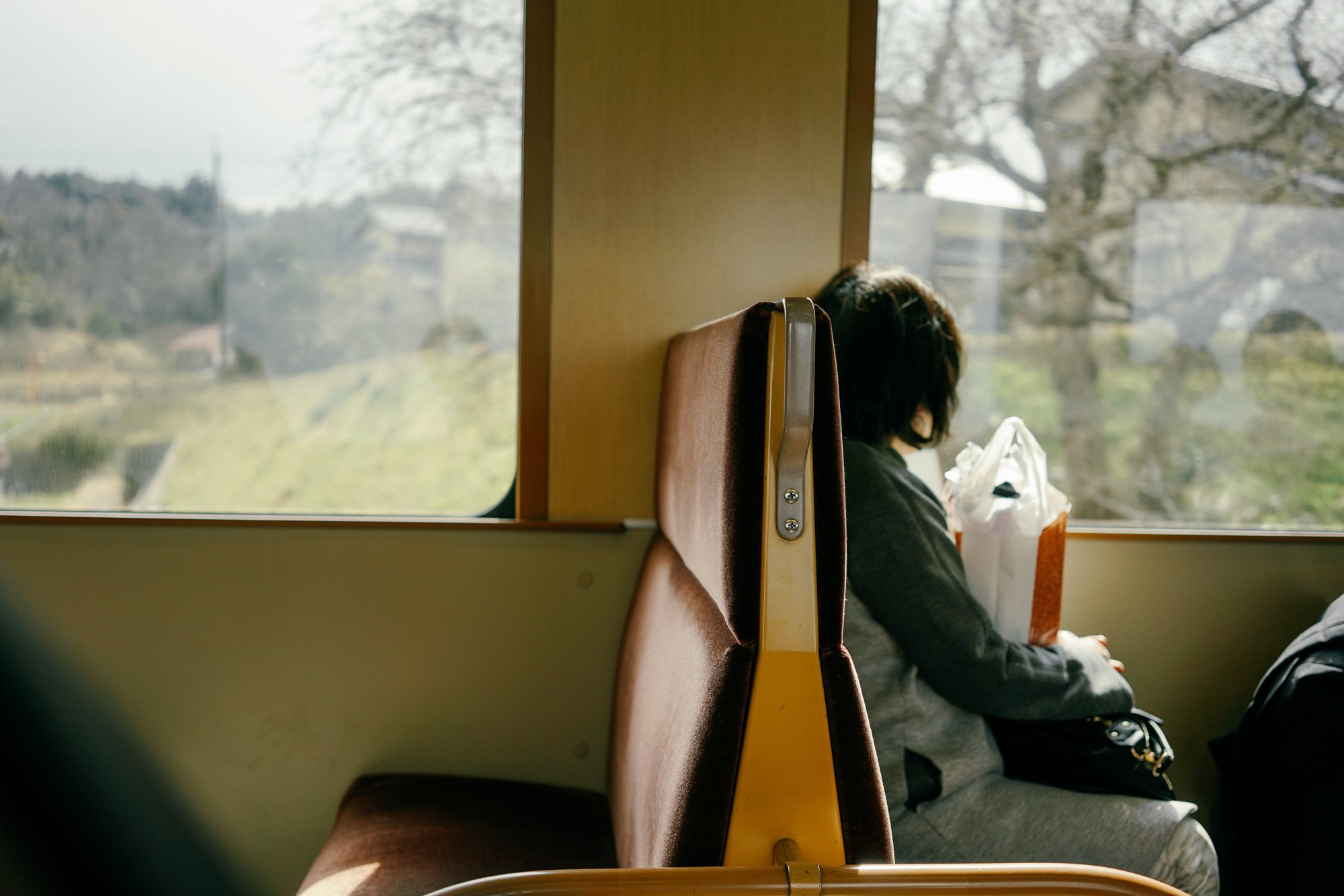
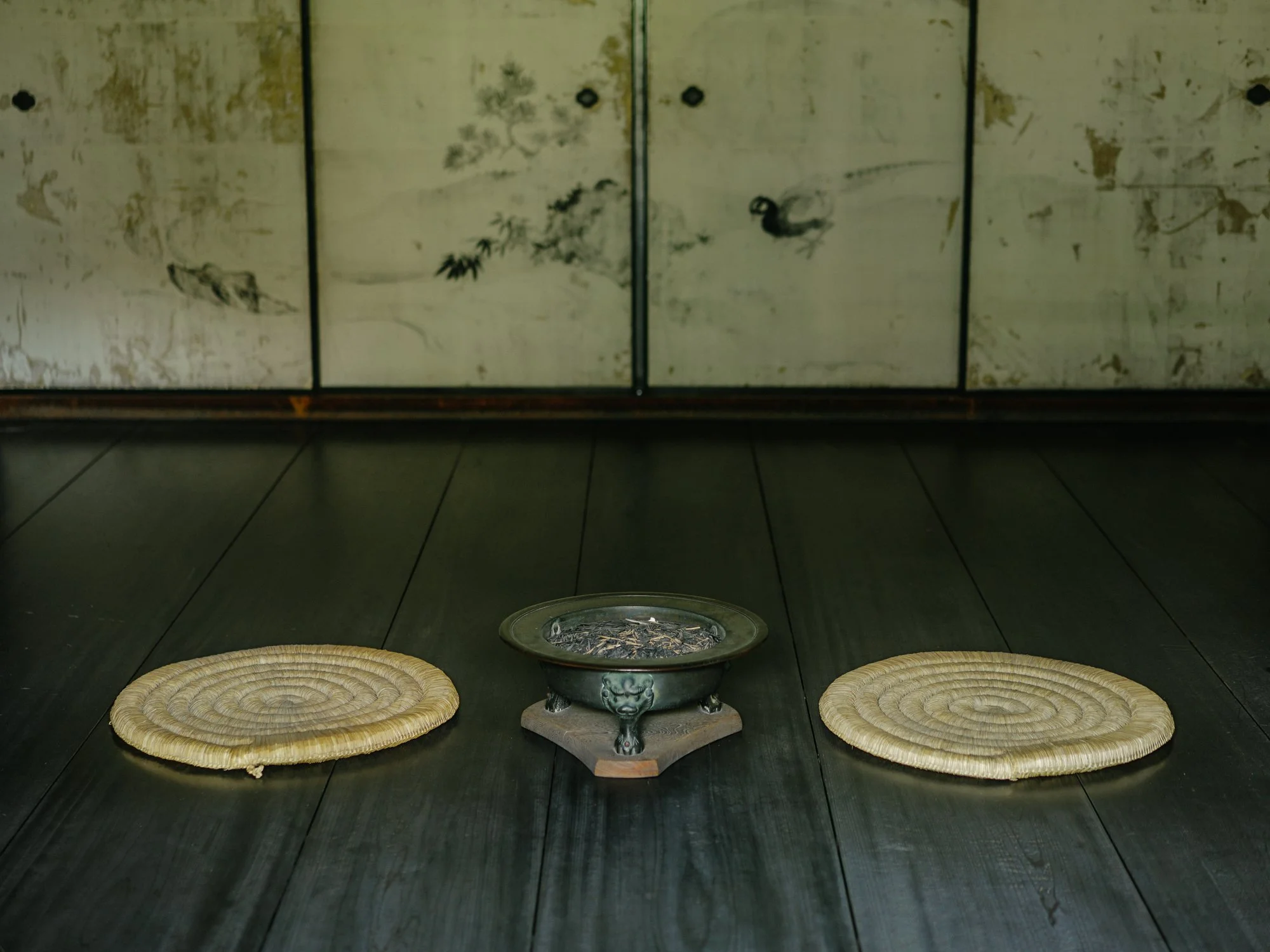
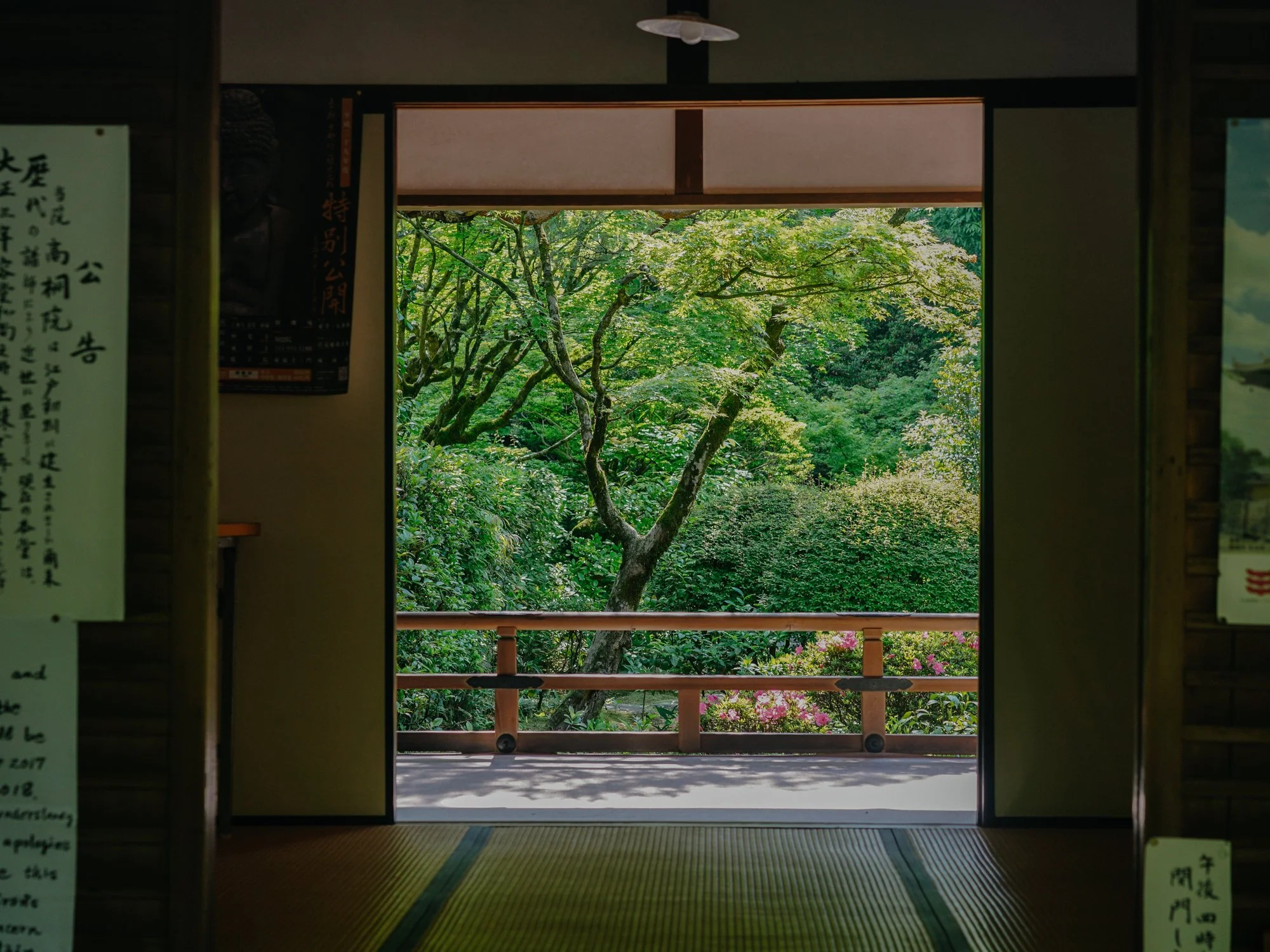
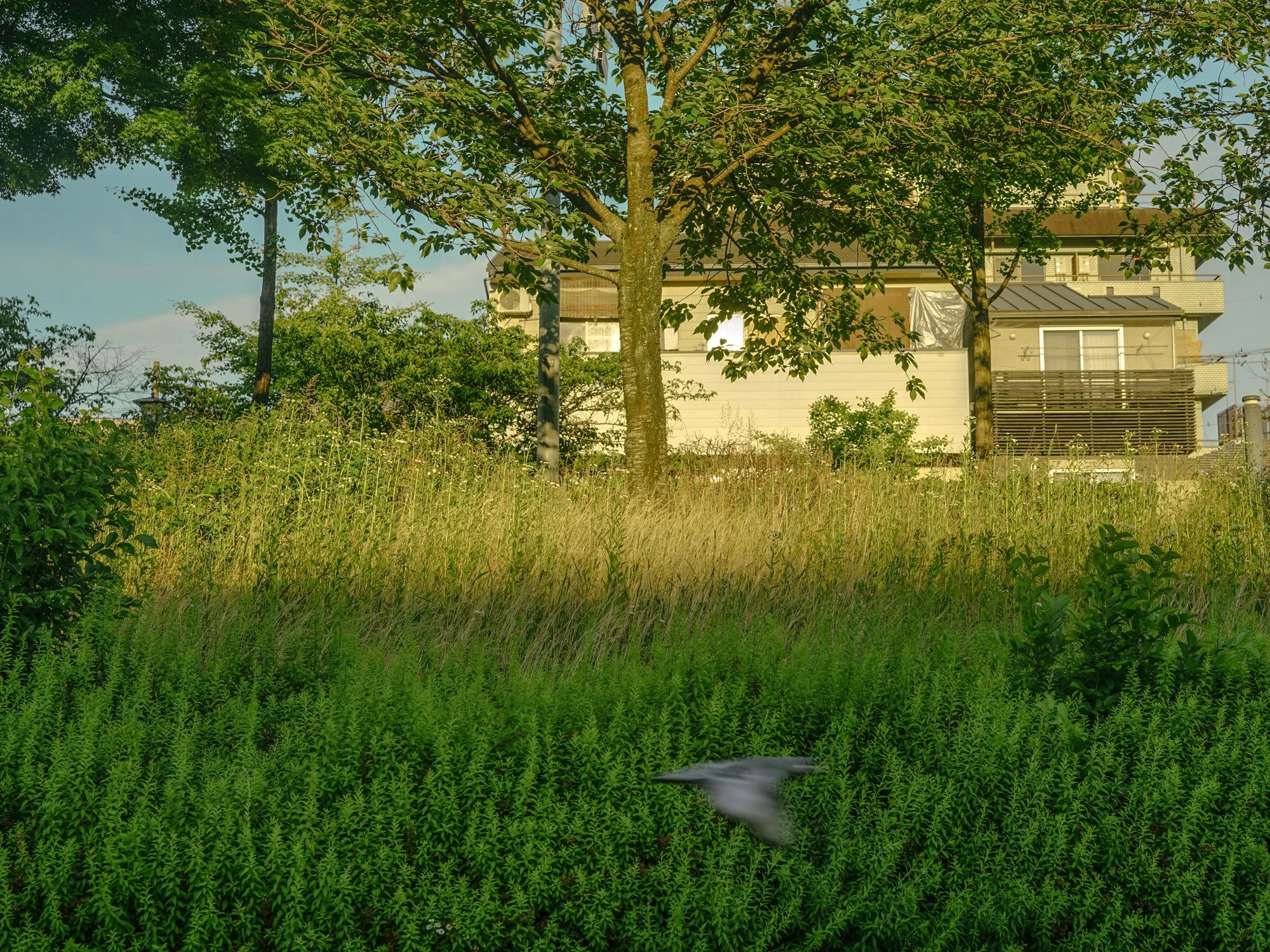
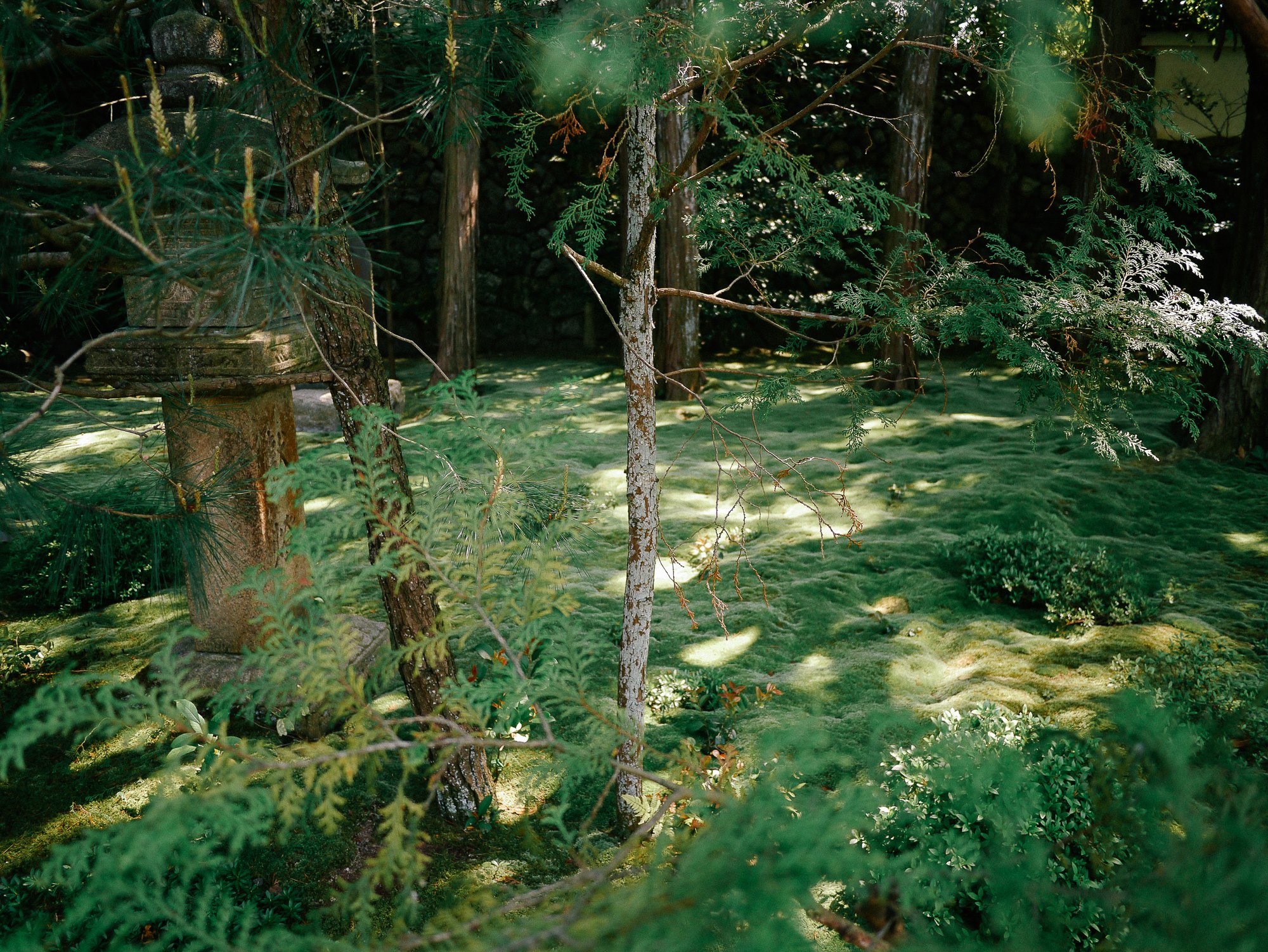
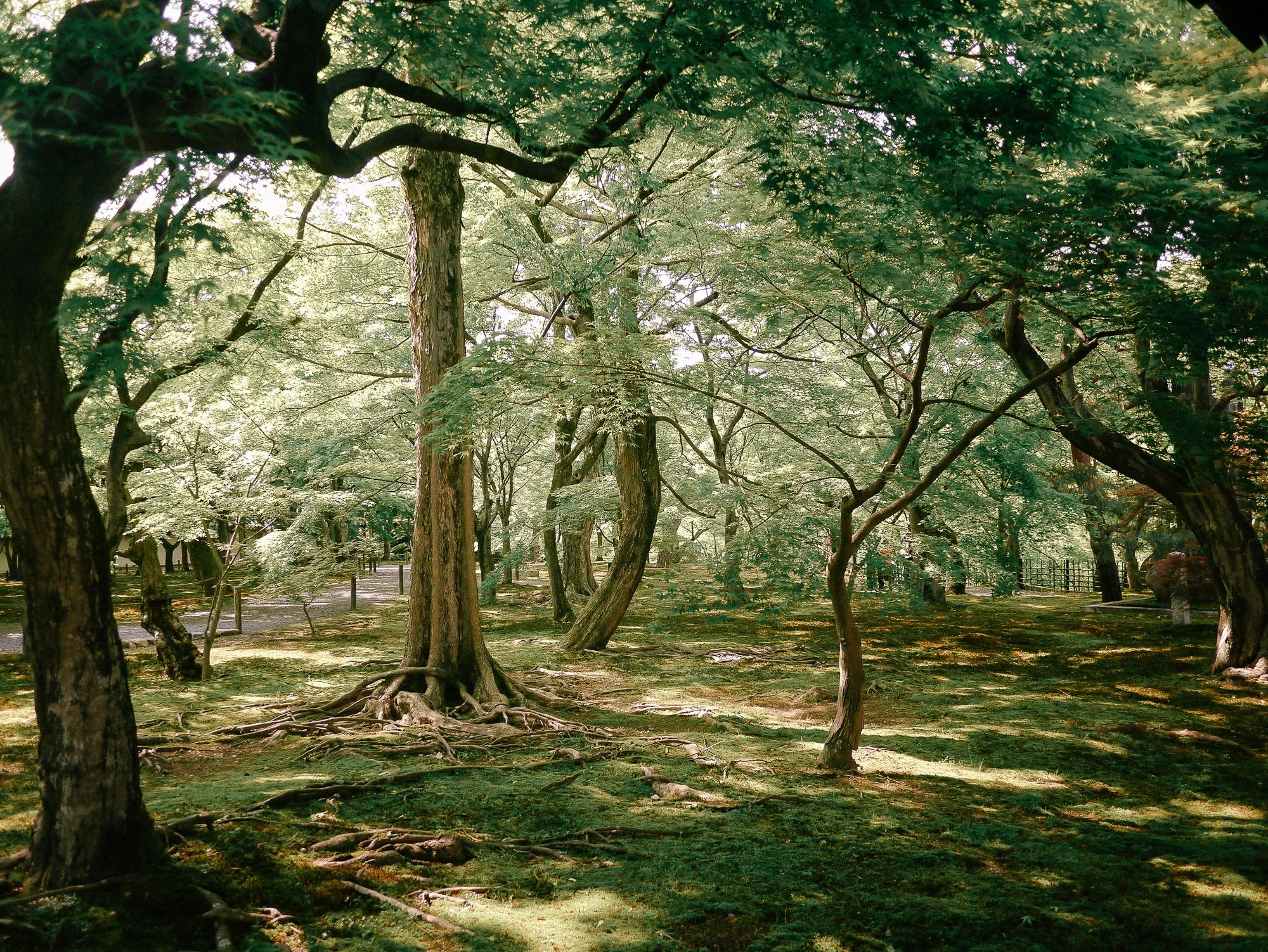
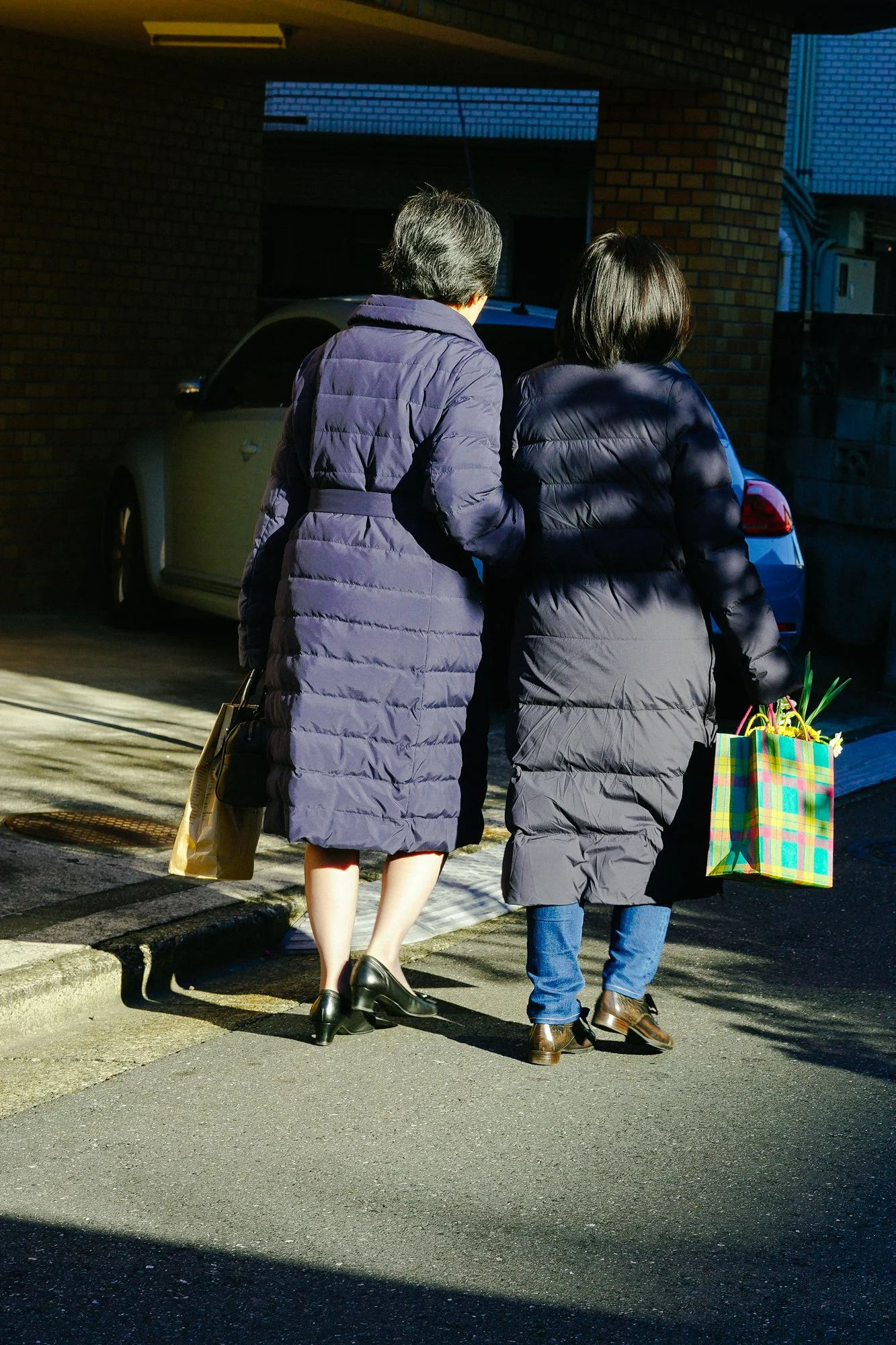
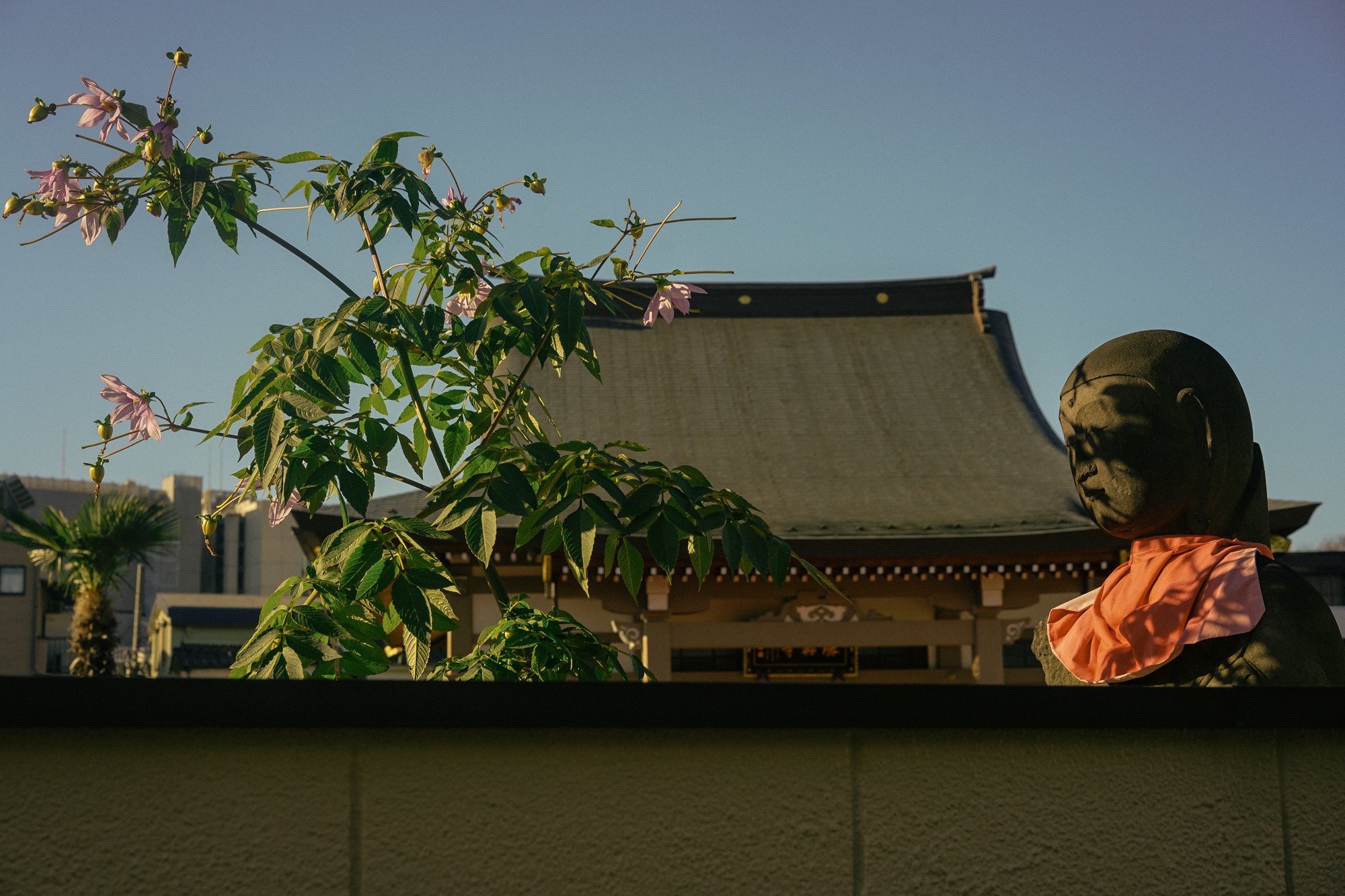
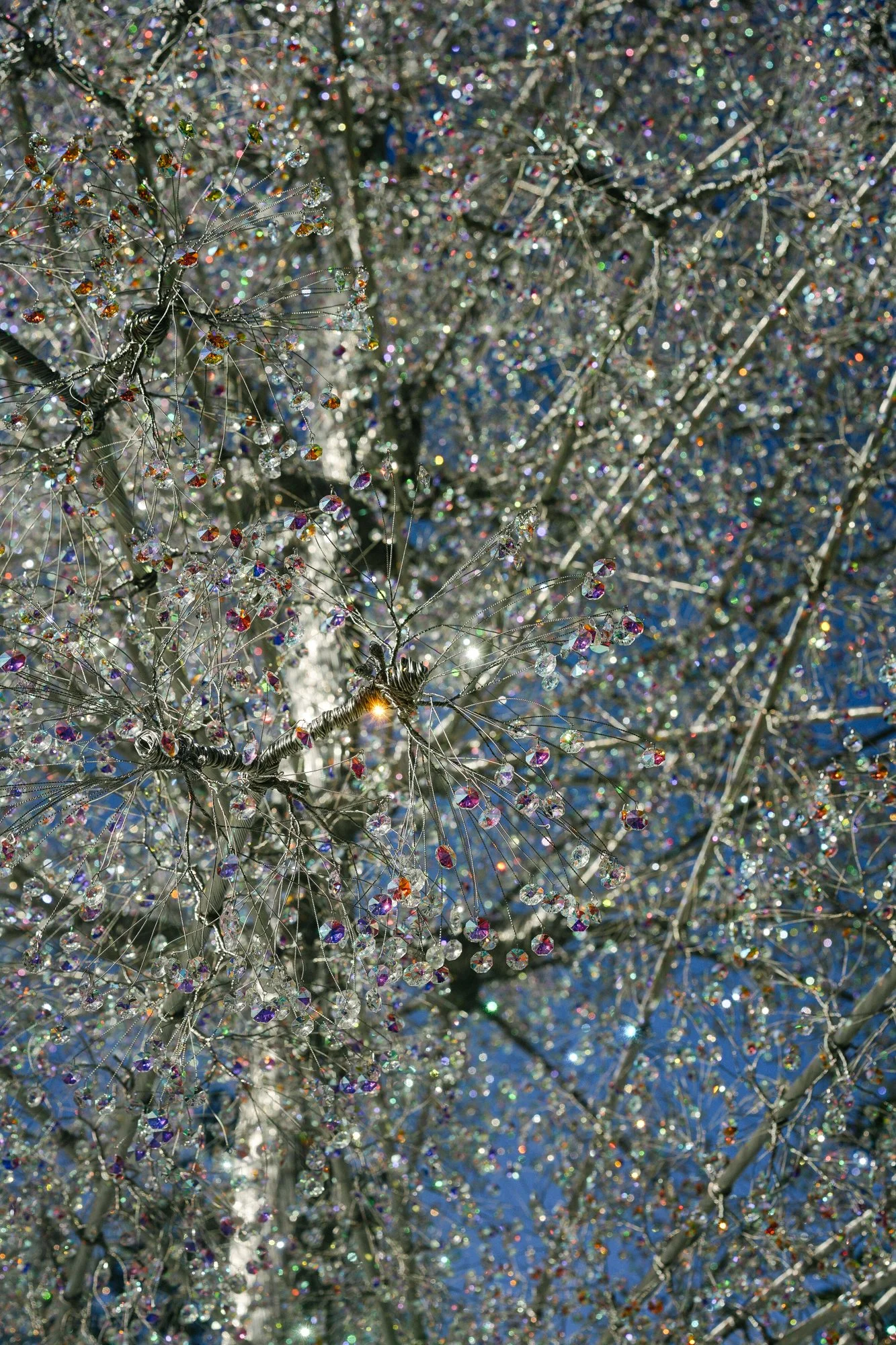
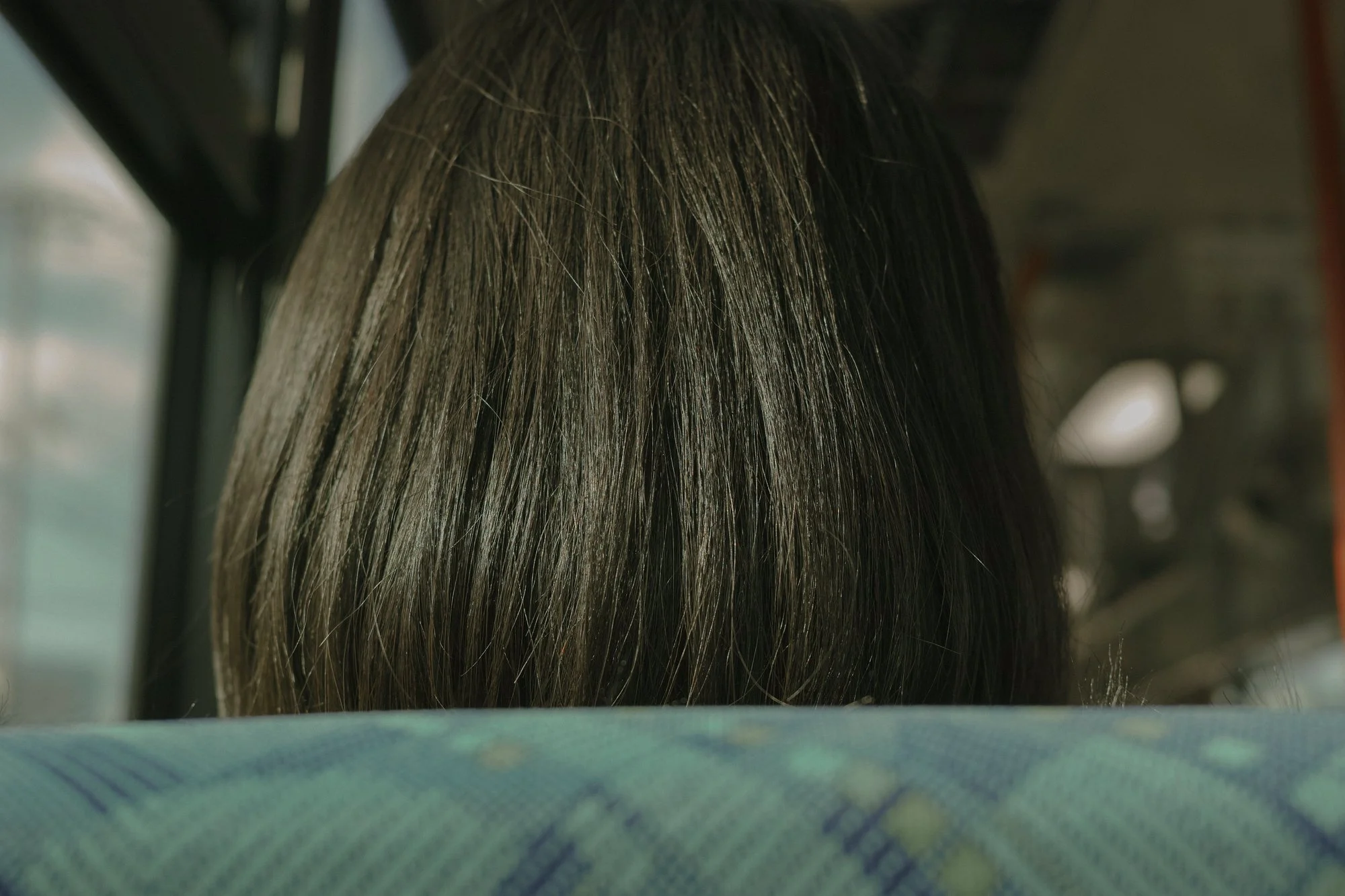
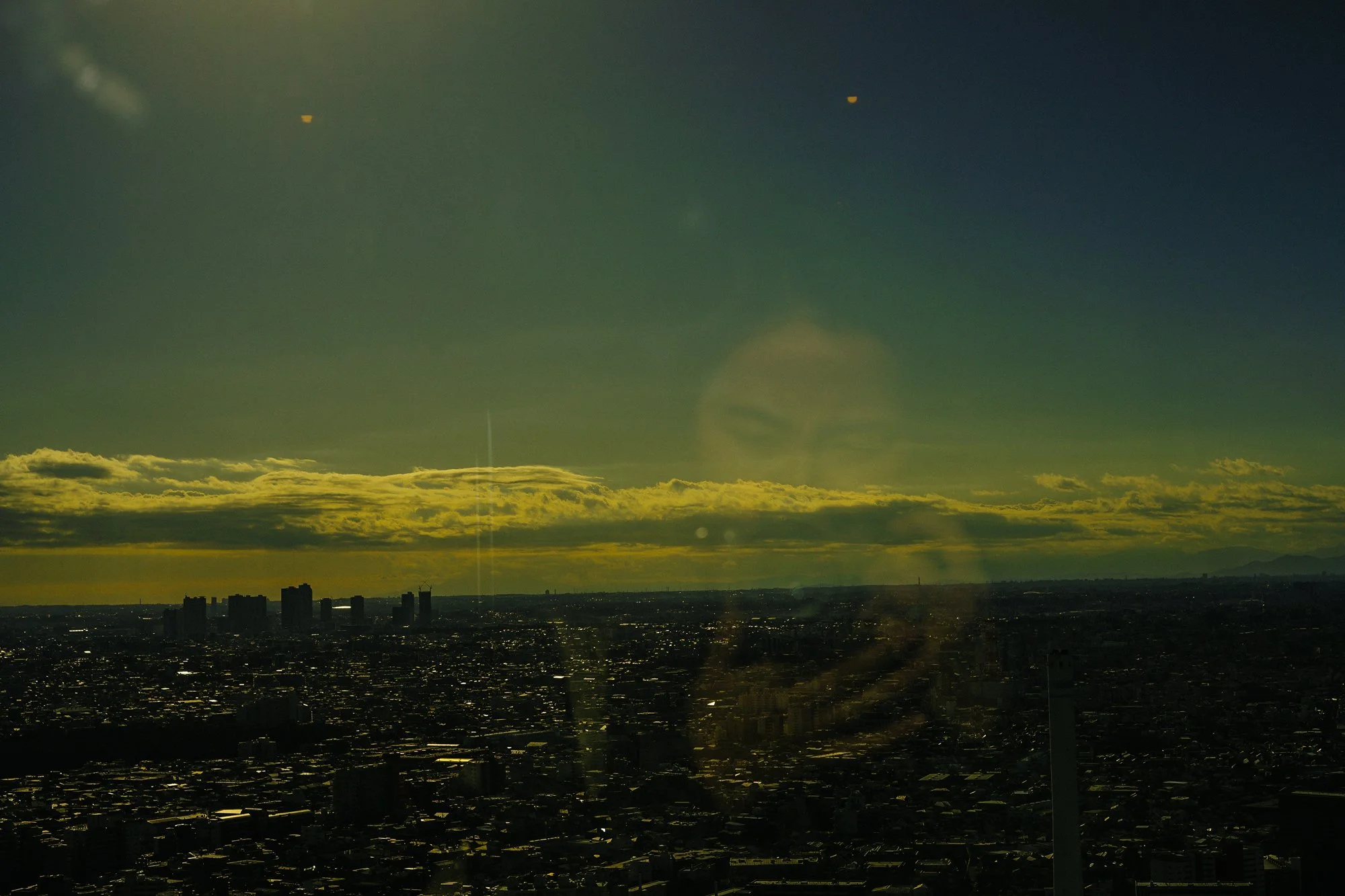
Japan has also become a kind of emotional memoir for me. It is a place that can depict the essence of love. What does that look like? A closeness that dispels loneliness, exquisitely layered gift wrappings, cherry blossoms that bloom in abundance only to fall again—countless moments of beauty, yet fleeting, vanishing at the horizon in an instant. In temples, omamori (protective charms) carry wishes and emotions, while the people and objects we encounter are ever-changing, often leaving us with a sense of impermanence. Perhaps this is Wabi-Sabi: the void that embraces everything. Imperfection, revealing the transience of life.
作为临近中国的国家,我只需要花2小时飞行时间便可以抵达日本。我一共去了七次日本,包括东京,箱根伊豆,横滨,镰仓,大阪,奈良,京都,神户,广岛,冲绳等地。在多次的旅行之中,日本茶道、禅宗文化与以东京涩谷新宿地区所代表的多元和潮流的文化形成了我心中日本的两面。正如美国人类学家鲁思·本尼迪克特(Ruth Benedict)在其代表作《菊与刀》中所揭示的那样,日本民族性格呈现出一种内在的矛盾性。
日本也成为了我的情感回忆录。因为那里可以给你描绘爱情的样子。什么样子呢?靠近的彼此驱散孤独,层层折叠的精美的礼品包装,樱花开满又凋落,千般美丽,却在会在某一刹那消散于天空的尽头,寺庙里的那些御守写满了情感和祝福,而曲中人散和物是人非是常有的事。这也许就是wabi-sabi侘寂,空,容纳了所有。不完美,道尽了人生的无常。

“Wabi-Sabi is the most conspicuous and characteristic feature of what we think of as traditional Japanese beauty. It occupies roughly the same position in the Japanese pantheon of aesthetic values as do the Greek ideals of beauty and perfection in the West. Wabi-Sabi can in its fullest expression be a way of life.”
—— Leonard Koren: Wabi-Sabi: for Artists, Designers, Poets & Philosophers